
博物馆级艺术微喷或帆布版画,制作高效,并提供多种饰面选择。 ( 购买手绘画作 切换至数字图像销售渠道)





























从与原作比例一致的预设尺寸中进行选择。

您可以输入自定义尺寸,以适配特定的画框或空间。如果您选择的尺寸与原图比例不符,我们将对作品进行裁剪,或通过镜像填充/纯色填充边缘的方式来扩展图像。在开始制作之前,我们会向您发送一份数字效果图供您确认。
请注意,屏幕上的预览并不能反映实际的裁剪或扩展效果。只有效果图才能准确展示最终的构图。
虽然我们提供定制尺寸,但为了保持原图比例,我们建议您从预设列表中选择尺寸。

cashmere shawl
复制品尺寸
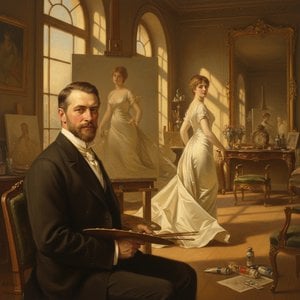
John Singer Sargent's Cashmere Shawl (circa 1880) is more than just a portrait; it’s a carefully constructed tableau of quiet intimacy and understated elegance, emblematic of the artist’s mastery during the height of the Gilded Age. The painting depicts two women, their heads nestled together in a gesture of profound comfort and connection, enveloped by the luxurious softness of a cashmere shawl – a detail that immediately draws the eye and speaks to the era's obsession with tactile pleasure and refined domesticity. Sargent’s ability to capture fleeting moments of emotion, particularly those born from private relationships, is powerfully evident here. The scene unfolds with a remarkable sense of realism, yet retains an ethereal quality, characteristic of Sargent’s distinctive style.
Sargent was renowned for his innovative use of light and color, techniques he honed through years of meticulous observation and experimentation. In Cashmere Shawl, he employs a broken brushstroke method – applying small, separate strokes of paint rather than blending them – to create a shimmering surface that seems to capture the play of light on fabric and skin. This technique is particularly noticeable in the shawl itself, where the colors appear to shift and change with every glance. The subtle gradations of tone, achieved through careful layering of pigments, contribute significantly to the painting’s atmospheric depth and sense of realism. His mastery of *alla prima* (wet-on-wet) painting allowed him to capture the immediacy of the scene, imbuing it with a vibrant energy.
The composition itself is laden with symbolic meaning. The women’s posture – heads resting on each other's shoulders – speaks volumes about their bond, suggesting intimacy, trust, and perhaps even a shared history. The cashmere shawl, a symbol of wealth and status during the late 19th century, further reinforces this impression. It wasn’t merely an article of clothing; it was a marker of social standing, reflecting the women's privileged position within society. The presence of the chair adds to the scene's domestic tranquility, suggesting a private moment of respite from the demands of public life. The partially visible third figure in the background hints at the complexities of social relationships and the ever-present awareness of observation.
Painted during Sargent’s most prolific period, Cashmere Shawl reflects the artistic trends and societal values of the late Victorian era. Sargent was a leading portraitist for America's wealthiest families – the Vanderbilts, the Astors, and the Morgans – capturing their lives of opulent leisure and social ambition. His portraits were not simply representations of individuals; they were carefully crafted statements about wealth, status, and taste. The painting’s subject matter—a quiet moment of female companionship—contrasts with the often-ostentatious displays of wealth depicted in other works from this period, offering a glimpse into a more intimate and personal side of Gilded Age society.


1856 - 1925 , 意大利

Discover the breathtaking elegance of John Singer Sargent's masterpieces. From iconic Gilded Age portraits to impressionistic landscapes, explore the technical brilliance and timeless allure of this American master through our premium, hand-painted fine art reproductions.
Discover the luminous mastery of John Singer Sargent. Explore an expert analysis of his legendary light, Gilded Age elegance, and technical brilliance, perfect for fine art enthusiasts seeking to bring timeless classical beauty into their modern collections.


 效果预览
效果预览
 分享
分享 分享
分享
 详情
详情

 下载
下载
 相似作品
相似作品 X射线
X射线 幻灯片播放
幻灯片播放 统计数据
统计数据

 展开详情
展开详情









 玻璃选项仅适用于110厘米以下的尺寸。


