


 Oil On CanvasWallArtOrientalism
 188919th Century
 174.0 x 80.0 cm




























从与原作比例一致的预设尺寸中进行选择。

您可以输入自定义尺寸,以适配特定的画框或空间。如果所选尺寸与原图比例不符,我们将通过裁剪作品或添加手绘元素来扩展画面。数字样稿将在制作开始前发送给您确认。
请注意,屏幕预览无法准确反映实际的裁剪或扩展效果,只有样稿才能真实呈现最终的构图。
虽然我们提供定制尺寸服务,但为了保留原作比例,建议您从预设列表中选择尺寸。

A Javanese Dancer
复制品尺寸
The canvas breathes with an almost palpable stillness—a deliberate counterpoint to the vibrant hues that swirl across its surface. John Singer Sargent’s “A Javanese Dancer,” completed in 1889, is far more than a mere portrait; it is a meticulously crafted distillation of Orientalism, capturing not just a woman’s likeness but an entire cultural milieu filtered through the lens of Victorian fascination. Measuring 174 x 80 cm, the painting resides within the hallowed halls of Impressionistic technique, yet its subject matter firmly anchors it to a broader historical movement eager to embrace exotic vistas and distant traditions. As one gazes upon the dancer, there is an immediate sense of being transported to a moment caught between the breath of performance and the quietude of reflection.
Sargent possessed an unparalleled ability to render light with breathtaking accuracy—a skill honed during his formative years amidst the Florentine Renaissance. This influence is immediately apparent in this masterpiece, where he employs loose brushstrokes and dappified glazing to illuminate the dancer’s form, creating an ethereal glow that transcends mere representation. Unlike the rigid academic conventions of his time, Sargent prioritized capturing fleeting moments of sensation, prioritizing atmosphere over precise anatomical detail. The artist's deliberate choice to depict the dancer bathed in sunlight speaks volumes about his artistic philosophy: a belief that beauty resides not just in what is seen, but also in how it feels.
The dancer herself embodies the complexities inherent in the era’s gaze. Dressed in opulent Javanese attire—a shimmering gold gown adorned with intricate embroidery and encircled by a delicate pink scarf—she represents the pinnacle of Eastern elegance. However, Sargent's depiction is not devoid of Western influence; the pose itself echoes classical sculpture, subtly elevating the dancer’s stature within the frame. This juxtaposition underscores the tension between the subject's authentic grace and the Western perception of the "exotic." The painting serves as a window into the 1889 Exposition Universelle in Paris, where Sargent encountered the Javanese troupe that would inspire this evocative work.
For the discerning collector or interior designer, this piece offers a profound emotional resonance. It is a study in texture and light, where the weight of the gold fabric meets the softness of the pink silk, creating a visual feast that commands attention in any sophisticated setting. The presence of subtle figures in the background adds layers of depth, suggesting a larger narrative of community and tradition that extends beyond the central subject. To hang a reproduction of this work is to invite a sense of historical grandeur and cosmopolitan charm into a space, providing a focal point that is both intellectually stimulating and aesthetically mesmerizing.
Ultimately, “A Javanese Dancer” remains a testament to Sargent's mastery of the human spirit. It captures a moment of poised elegance and quiet intensity, reflecting both the subject's inherent grace and the artist’s masterful observation. Whether viewed as a historical document of late 19th-century fascination or as a pure expression of painterly brilliance, the work continues to enchant, offering a timeless allure that transcends the boundaries of era and geography.


1856 - 1925 , 意大利

Discover the breathtaking elegance of John Singer Sargent's masterpieces. From iconic Gilded Age portraits to impressionistic landscapes, explore the technical brilliance and timeless allure of this American master through our premium, hand-painted fine art reproductions.
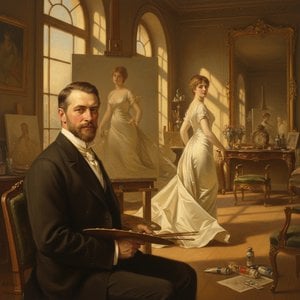
Discover the luminous mastery of John Singer Sargent. Explore an expert analysis of his legendary light, Gilded Age elegance, and technical brilliance, perfect for fine art enthusiasts seeking to bring timeless classical beauty into their modern collections.


 效果预览
效果预览
 购买印刷品
购买印刷品 分享
分享 分享
分享
 详情
详情

 下载
下载
 相似作品
相似作品 X射线
X射线 幻灯片播放
幻灯片播放 展开详情
展开详情









 玻璃选项仅适用于110厘米以下的尺寸。


