
x


 Oil On CanvasWallArtAmerican Colorism & Japonisme
 188319th Century
 138.0 x 30.0 cm
 大都会艺术博物馆




























从与原作比例一致的预设尺寸中进行选择。

您可以输入自定义尺寸,以适配特定的画框或空间。如果您选择的尺寸与原图比例不符,我们将对作品进行裁剪,或通过镜像填充/纯色填充边缘的方式来扩展图像。在开始制作之前,我们会向您发送一份数字效果图供您确认。
请注意,屏幕上的预览并不能反映实际的裁剪或扩展效果。只有效果图才能准确展示最终的构图。
虽然我们提供定制尺寸,但为了保持原图比例,我们建议您从预设列表中选择尺寸。

Orange Branch
复制品尺寸
In the quiet brilliance of John La Farge’s 1883 masterpiece, "Orange Branch," viewers are invited into a world where nature and artistry converge in perfect harmony. This exquisite work is far more than a mere botanical study; it is a profound exploration of light, texture, and the delicate dance between Eastern influence and Western Impressionism. At first glance, the eye is immediately drawn to the vibrant, sun-drenched oranges that cling to a slender branch, their golden hues radiating a warmth that seems to pulse from within the canvas itself. La Farge captures not just the fruit, but the very essence of ripeness, inviting a sense of serene contemplation that transcends the boundaries of a simple landscape.
The painting serves as a breathtaking testament to Japonisme, the late 19th-century fascination with Japanese aesthetics that swept through the American art scene. Following the opening of Japan to Western trade, artists like La Farge found profound inspiration in the flattened perspectives and organic compositions of sumi-e ink paintings. In "Orange Branch," this influence is palpable in the way the branch extends diagonally across the frame, creating a balanced yet dynamic movement that guides the viewer’s gaze through the composition. The soft, ethereal blue background acts as a tranquil stage, providing an understated counterpoint to the vivid warmth of the fruit and ensuring that every leaf and citrus orb commands the spotlight.
To behold "Orange Branch" is to witness the technical virtuosity of a true master of color. La Farge employed a sophisticated technique of layering glazes—applying thin, translucent washes of oil paint over successive layers—to achieve a depth and luminosity that few could replicate. This meticulous process allows light to penetrate the surface of the paint, reflecting back with a brilliance that mimics the natural glow of sunlight filtering through foliage. The oranges possess a tactile quality, their skins rendered with such precision that one can almost sense the subtle variations in texture and the weight of the fruit.
Complementing this luminous fruit is La Farge’s masterful depiction of the surrounding greenery. Through delicate, rhythmic brushstrokes, he creates a textured surface that breathes life into the leaves, capturing the fleeting effects of light and shadow with an Impressionist sensibility. This focus on the ephemeral—the way a leaf catches a glint of sun or how a shadow softens at the edge of a branch—imbues the work with a sense of living, breathing reality. For the discerning collector or interior designer, this painting offers a sophisticated interplay of color and form that can anchor a room, providing both a focal point of intense energy and a source of quiet, natural grace.
Beyond its technical brilliance, "Orange Branch" carries an emotional resonance that remains deeply relevant in our modern, fast-paced world. It offers a moment of stillness, a window into a period of intense cultural exchange and artistic innovation. The painting’s ability to evoke both the vitality of nature and the sophisticated intellect of the Gilded Age makes it a timeless piece of art history. Whether displayed in a sunlit gallery or as a centerpiece in a curated residential space, this work continues to inspire awe through its harmonious balance of color, light, and historical depth.
For those seeking to bring the prestige of American Impressionism into their personal collections, a high-quality reproduction of this work provides an unparalleled opportunity. It allows the rich textures and radiant golds of La Farge’s vision to transform an environment, offering a touch of 19th-century elegance and a profound connection to the enduring beauty of the natural world.


1835 - 1910 , 美国
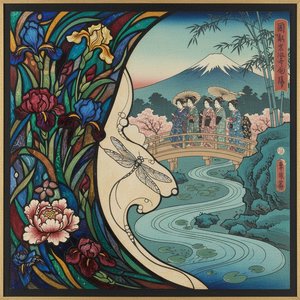
Explore the groundbreaking work of John La Farge, a pioneer of American colorism and stained glass. Discover his captivating Japonisme-inspired murals & lasting legacy in 19th-century art. Expert insights for collectors.
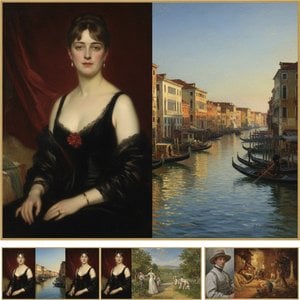
探索约翰·辛格·萨金特25幅传世杰作!深入了解这位美国印象派大师的肖像画技巧、金色时代风格与艺术故事。WahooArt.com提供高品质油画复制品,点亮您的室内设计,打造奢华艺术空间。立即在线探索完整系列!

探索康斯塔布尔的25幅传世杰作!沉浸于英国田园风光,感受浪漫主义绘画大师的光影与色彩。高清油画复制、艺术品购买尽在WahooArt.com,为您的家居增添经典之美。立即在线探索完整系列!
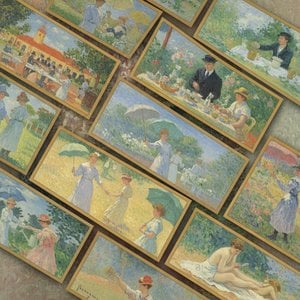
探索雷诺阿25幅经典之作,感受印象派大师的光影魅力与色彩诗意。从《舞会》到《煎饼磨坊》,WahooArt为您呈现艺术背后的故事与技巧。高品质艺术复制品,点亮您的家居空间!立即在WahooArt.com探索完整系列。

Journey into the heart of Impressionism! Explore 10 masterpieces by Monet, Renoir & Degas that revolutionized landscape art. Discover their stories, techniques & find museum-quality reproductions to elevate your home decor on WahooArt.com.


第一时间获取最新的艺术新闻、独家优惠及装饰灵感。
向我们介绍您的项目需求,我们的艺术专家将为您提供 3 个个性化的艺术品推荐。
由我们的专家为您精选 3 款心仪之作 —— 完全免费!


 效果预览
效果预览
 购买手绘画作
 分享
分享 分享
分享
 详情
详情

 下载
下载
 相似作品
相似作品 X射线
X射线 幻灯片播放
幻灯片播放 展开详情
展开详情









 玻璃选项仅适用于110厘米以下的尺寸。


