
博物馆级艺术微喷或帆布版画,制作高效,并提供多种饰面选择。 ( 购买手绘画作 切换至数字图像销售渠道)





























从与原作比例一致的预设尺寸中进行选择。

您可以输入自定义尺寸,以适配特定的画框或空间。如果您选择的尺寸与原图比例不符,我们将对作品进行裁剪,或通过镜像填充/纯色填充边缘的方式来扩展图像。在开始制作之前,我们会向您发送一份数字效果图供您确认。
请注意,屏幕上的预览并不能反映实际的裁剪或扩展效果。只有效果图才能准确展示最终的构图。
虽然我们提供定制尺寸,但为了保持原图比例,我们建议您从预设列表中选择尺寸。

Icebound
复制品尺寸
John Henry Twachtman's "Icebound," painted in 1890, isn’t merely a depiction of a winter landscape; it’s an invitation to step into a hushed and contemplative world. This oil on canvas, currently residing within the esteemed collection of the Art Institute of Chicago, captures a fleeting moment of tranquility – a snow-laden river reflecting a muted sky, framed by the stoic presence of ancient trees. The painting immediately evokes a sense of solitude and quietude, a feeling intensified by Twachtman’s masterful use of light and color to render the ephemeral qualities of winter's atmosphere. It’s a scene that speaks not just to the eye but also to the soul, offering a respite from the bustle of everyday life.
Twachtman was a key figure in establishing American Impressionism, and “Icebound” is a testament to his unique approach. He moved beyond traditional academic realism, prioritizing the *impression* of a scene over precise detail. The painting’s power lies in its broken brushstrokes – short, deliberate marks that capture the shimmering effect of light on the snow and ice. Notice how he builds up layers of color, allowing them to blend optically before the viewer's eye, creating an illusion of depth and luminosity. The cool blues and whites dominate, punctuated by warmer browns and oranges from the trees, a subtle reminder of life beneath the frozen surface. This deliberate manipulation of color is central to Twachtman’s style; he wasn’t interested in replicating reality but rather conveying its emotional essence.
“Icebound” was painted during a period of significant artistic ferment, mirroring the broader shifts occurring within American art. Twachtman's work aligns with the Impressionist movement’s rejection of academic conventions and its focus on capturing fleeting moments and subjective experiences. Interestingly, it shares stylistic similarities with Claude Monet’s “Grainstacks, Snow Effect” from the same year – both artists were deeply influenced by European Impressionism, particularly the techniques pioneered by painters like Renoir and Pissarro. However, Twachtman developed a distinctly personal style, characterized by his atmospheric perspective and his ability to imbue landscapes with an almost melancholic beauty. The inclusion of two figures in the scene adds a subtle layer of human presence within this vast, natural setting, prompting reflection on our relationship with the environment.
While “Icebound” avoids overt symbolism, it’s rich in emotional resonance. The frozen river, the bare trees, and the muted light all contribute to a sense of stillness and introspection. The painting speaks to themes of isolation, resilience, and the beauty found in simplicity. It's not simply a winter scene; it’s an exploration of mood and atmosphere—a visual meditation on the power of nature to evoke profound feelings. The composition itself, with its asymmetrical balance and flowing lines, draws the viewer into the heart of the landscape, inviting them to lose themselves in its quiet grandeur.
WahooArt offers meticulously crafted, hand-painted reproductions of John Henry Twachtman’s "Icebound," allowing you to bring this timeless masterpiece into your own home or office. These reproductions capture the essence of the original painting – its delicate brushwork, luminous colors, and evocative atmosphere – with unparalleled accuracy and detail. Whether adorning a gallery wall or serving as a focal point in a living room, a “Icebound” reproduction is sure to captivate and inspire. Explore our collection at here to discover the perfect rendition for your space.

1853 - 1902 , 美国

Discover the profound emotional depth of Post-Impressionist landscapes. Explore how masters like Van Gogh revolutionized art through vibrant color, textured impasto, and symbolic expression in this expert guide to the movement that redefined modern art history.

Explore the ethereal beauty of Impressionist landscapes. Discover how masters like Monet captured fleeting light through color and texture, and learn to curate these timeless, luminous masterpieces for your home collection.
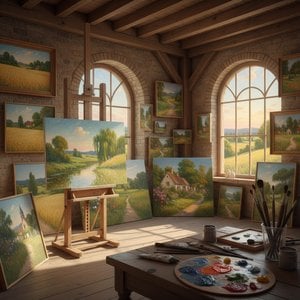
Discover the profound tranquility of rural art through an expert exploration of Impressionist landscapes. From pastoral scenes to textured oil masterpieces, learn how timeless nature-inspired artworks bring enduring elegance and serenity to sophisticated collectors.


 效果预览
效果预览
 分享
分享 分享
分享
 详情
详情 指南
指南

 下载
下载
 相似作品
相似作品 X射线
X射线 幻灯片播放
幻灯片播放 统计数据
统计数据


 展开详情
展开详情









 玻璃选项仅适用于110厘米以下的尺寸。


