
博物馆级艺术微喷或帆布版画,制作高效,并提供多种饰面选择。 ( 订购纯手工绘制画作 切换至数字图像销售渠道)





























您可以从与原作比例一致的预设尺寸中进行选择。

请输入您所需的宽度和高度,以适配您的画框或墙面。由于印刷品只能进行裁剪,无法超出原图尺寸,因此若比例不一致,画面的一部分将会被裁切。在正式印刷之前,我们会为您发送一份数字效果图供您确认。本页面显示的图片并非最终裁剪后的效果——只有效果图才能展示真实的裁剪情况。
Tuckered OUt
复刻品尺寸
John George Brown’s “Tuckered Out” (circa 1888) isn't merely a painting; it’s a distilled moment of quiet observation, a tenderly rendered study in Victorian childhood. The scene unfolds within a modestly furnished room – a blend of bedroom and living space – dominated by the figure of a young boy seated on a chair, his head resting heavily upon his hand. This posture, instantly recognizable and deeply affecting, speaks volumes about fatigue, perhaps even melancholy, yet it’s imbued with an undeniable charm.
Brown masterfully captures the essence of this youthful weariness through his meticulous technique. The brushstrokes are deliberate and controlled, creating a sense of solidity in the boy's form while simultaneously suggesting the softness of his skin and the weight of his exhaustion. Notice how he utilizes subtle gradations of light and shadow to define the boy’s face – the slight furrow of his brow, the closed eyelids hinting at slumber, and the delicate curve of his hand supporting his head. The muted palette—primarily browns, grays, and creams—further enhances the painting's somber yet comforting mood, evoking a sense of domestic tranquility tinged with quiet sadness.
To fully appreciate “Tuckered Out,” it’s crucial to understand the social context in which it was created. The late 19th century witnessed significant shifts within British society, particularly regarding childhood and family life. While industrialization brought prosperity to some, many families struggled with poverty and hardship. Children often worked long hours in factories or as street urchins, facing challenging conditions that profoundly impacted their well-being. Brown’s painting offers a rare glimpse into this reality, portraying not the idealized image of childhood often presented in art, but rather its more vulnerable and less romanticized aspects.
The scattered suitcases in the background are particularly telling. They suggest a journey – perhaps a temporary move or a return home after a period of travel. This detail adds another layer of complexity to the scene, hinting at the transient nature of Victorian life and the frequent dislocations experienced by families due to economic pressures. The boy’s attire—simple suspenders—underscores his youth and vulnerability, reinforcing the painting's poignant message.
Beyond its realistic depiction of a tired child, “Tuckered Out” is rich in symbolic meaning. The pose itself – head resting on hand – is a universal gesture of exhaustion and surrender, evoking empathy and compassion within the viewer. It’s a posture that speaks to the burdens carried by young shoulders, reminding us of the challenges faced by those less fortunate. The painting's quiet stillness invites contemplation, prompting viewers to reflect on themes of childhood innocence, poverty, and the complexities of human experience.
Furthermore, Brown’s choice of subject matter—a seemingly ordinary boy—elevates him to a position of universal significance. He represents all children who have known hardship or faced adversity, embodying the resilience and quiet dignity of those who persevere despite challenging circumstances. “Tuckered Out” is not simply a portrait; it's a meditation on the human condition, a testament to the enduring power of empathy, and a beautiful reminder of the fleeting nature of childhood.
Reproductions of "Tuckered Out" continue to resonate with audiences today, offering a poignant connection to the past. Its quiet beauty and emotional depth make it an ideal addition to any collection, serving as both a decorative piece and a thought-provoking work of art. Consider framing this evocative image in a warm wood or neutral tone to best complement its subdued palette, allowing its subtle nuances to shine through.
"Tuckered OUt" 的画幅格式为 Portrait。这对于规划复制品的摆放位置非常有用。
约翰·乔治·布朗 (Yuēhàn Jiàojí Bùlǎng) 的《Tuckered OUt》 营造出一种 Calm 的氛围,推荐用于 Living Room。作品的情绪感即是其为周围空间带来的意境。
建议将“Tuckered OUt”打印为 Medium 尺寸。其他尺寸亦可按相同比例进行制作。


1831 - 1913 , 英国
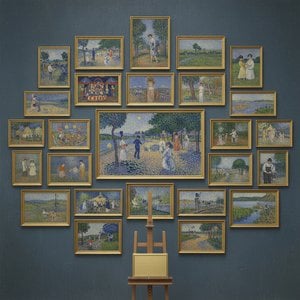
探索乔治·修拉25幅传世杰作!深入了解点彩画法、后印象派的艺术魅力,感受光与色彩的奇妙。WahooArt.com提供高品质修拉作品复制品,为您的家居空间增添经典艺术气息。立即在线探索完整系列!

探索康斯塔布尔的25幅传世杰作!沉浸于英国田园风光,感受浪漫主义绘画大师的光影与色彩。高清油画复制、艺术品购买尽在WahooArt.com,为您的家居增添经典之美。立即在线探索完整系列!
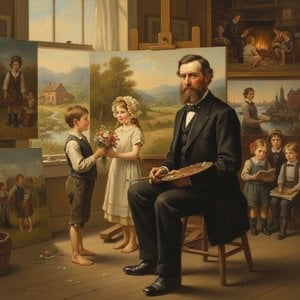
Explore the captivating genre paintings of John George Brown, celebrated for his realistic depictions of 19th-century American life. Discover his legacy & find museum-quality reproductions at WahooArt.
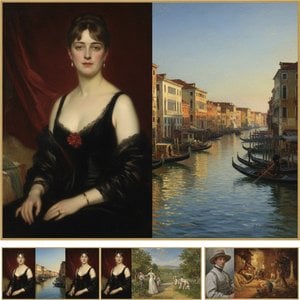
探索约翰·辛格·萨金特25幅传世杰作!深入了解这位美国印象派大师的肖像画技巧、金色时代风格与艺术故事。WahooArt.com提供高品质油画复制品,点亮您的室内设计,打造奢华艺术空间。立即在线探索完整系列!

探索乔治·布拉克25幅大师杰作,领略立体主义的魅力与现代艺术的精髓。从早期作品到经典油画,WahooArt为您呈现法式优雅与家居装饰灵感。高清艺术复制品,点亮您的空间!立即在WahooArt.com发现更多。

 实景预览
实景预览
 分享
分享 分享
分享
 详情
详情 指南
指南

 下载作品
下载作品
 相似作品
相似作品 X射线
X射线 幻灯片播放
幻灯片播放 问答
问答
 统计数据
统计数据


 展开全文
展开全文









 玻璃选项仅适用于110厘米以下的尺寸。


