由我们的艺术家按需定制,为您提供您所选尺寸及画框的布面手工油画。 ( 切换至版画销售渠道 切换至数字图像销售渠道)





























您可以从与原作比例一致的预设尺寸中进行选择。

请输入您需要的宽度和高度,以适配您的画框或墙面。由于作品为手工绘制,若您选择不同的尺寸比例,艺术家可能会在画面边缘多画一些或稍作裁剪 —— 由您决定。在开始绘画之前,我们会为您发送一份数字效果图供您确认。本页面上展示的图片并非最终实物 —— 只有效果图才能反映真实结果。
Golding Constables Kitchen Garden a
复刻品尺寸说明
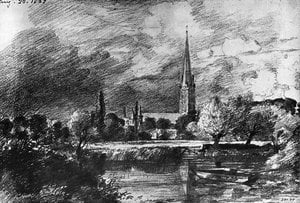
John Constable's "Golding Constable’s Kitchen Garden," painted circa 1815, isn’t merely a depiction of a rural scene; it’s a profound meditation on place, memory, and the quiet dignity of everyday life. Born in East Bergholt, Suffolk – a landscape that would become inextricably linked to his artistic identity – Constable sought to capture not just what he saw, but how he *felt* about it. This painting, housed within the Ipswich Borough Council Collection at Christchurch Mansion, offers a remarkably intimate glimpse into the world of a prosperous Suffolk farmer and his family, revealing a scene brimming with subtle details and an extraordinary sensitivity to light and atmosphere.
The composition immediately draws the viewer in. Constable masterfully employs a slightly elevated vantage point, as if peering through a window – perhaps one of those very windows from which he painted the view. This creates a sense of immediacy and invites us into the heart of the garden. The foreground is dominated by two horses grazing peacefully on the lush grass, their forms rendered with an almost tactile quality—you can practically feel the texture of their coats. Beyond them, the kitchen garden unfolds, a carefully organized space filled with rows of vegetables, herbs, and fruit trees. The arrangement isn’t overly manicured; it possesses a naturalistic charm, suggesting a working landscape rather than a formal display.
“Golding Constable’s Kitchen Garden” is firmly rooted in the Romantic movement, an artistic sensibility that prioritized emotion, imagination, and the beauty of nature over classical ideals. Constable, like many Romantic painters, rejected the grand, theatrical landscapes favored by earlier generations. Instead, he focused on the familiar, the intimate—the scenes he knew best: the rolling hills and waterways of Suffolk. This choice wasn’t a rejection of artistic tradition; rather, it was an assertion of a new kind of beauty – one found in the commonplace, the weathered, and the subtly changing light of the English countryside.
The painting's context is crucial to understanding its significance. Constable’s father, Golding Constable, was a successful corn merchant who owned both Dedham Vale and mills along the River Stour. This familial connection provided not only financial security but also an unparalleled opportunity for the young artist to immerse himself in the rhythms of rural life. The painting is therefore deeply personal, reflecting Constable's own childhood memories and his profound affection for his home county.
Constable’s technique is characterized by a remarkable blend of observation and intuition. He meticulously rendered the details of the garden—the individual leaves on the vegetables, the texture of the soil, the dappled sunlight filtering through the trees—but he also employed loose brushstrokes and a vibrant palette to convey the overall atmosphere. His use of light is particularly noteworthy. Constable expertly captures the shifting qualities of daylight, creating a sense of depth and luminosity that animates the scene. The warm glow of the afternoon sun bathes the garden in a golden hue, while subtle shadows add richness and complexity to the composition.
The painting’s color palette is dominated by greens and browns—the dominant hues of the countryside—but Constable introduces splashes of vibrant color with the reds and yellows of the vegetables. These touches of brightness draw the eye and create a sense of vitality within the scene. He also skillfully employs atmospheric perspective, using lighter colors to represent distant objects and darker colors for those closer to the viewer.
Beyond its purely descriptive qualities, “Golding Constable’s Kitchen Garden” is rich in symbolism. The two grazing horses evoke a sense of tranquility and abundance—a symbol of prosperity and well-being. The carefully organized garden represents not just a source of food but also a testament to the hard work and dedication of the farmer and his family. The painting, therefore, celebrates the simple pleasures of rural life and offers a poignant reflection on the connection between humanity and nature.
Ultimately, “Golding Constable’s Kitchen Garden” is more than just a landscape painting; it's a deeply felt expression of love for place—a testament to the enduring beauty of the English countryside. A high-quality reproduction allows us to appreciate the subtle nuances of Constable’s artistry and to experience the emotional resonance of this remarkable work.
康斯塔勃尔 的《Golding Constables Kitchen Garden a》 将 landscape, rural life, horses, garden, suffolk, constable, pastoral, countryside 与 Romantic 的氛围完美融合。
康斯塔勃尔 的《Golding Constables Kitchen Garden a》 的色彩呈现出 Subtle Color 的饱和度与 Balanced 的强度。
“Golding Constables Kitchen Garden a”是一件Romanticism时期的作品。该艺术流派指明了作品所属的艺术传统。


1776 - 1837 , 英国

Explore the profound legacy of John Constable. Discover how his mastery of light, atmosphere, and the English landscape redefined Romanticism through timeless, museum-quality oil reproductions for discerning collectors.


 实景预览
实景预览
 发送
发送 分享
分享
 详情
详情 指南
指南

 下载图片
下载图片
 相似作品
相似作品 X射线
X射线 幻灯片播放
幻灯片播放 统计数据
统计数据

 阅读全文
阅读全文









 玻璃选项仅适用于110厘米以下的尺寸。