


从与原作比例一致的预设尺寸中进行选择。

您可以输入自定义尺寸,以适配特定的画框或空间。如果所选尺寸与原图比例不符,我们将通过裁剪作品或添加手绘元素来扩展画面。数字样稿将在制作开始前发送给您确认。
请注意,屏幕预览无法准确反映实际的裁剪或扩展效果,只有样稿才能真实呈现最终的构图。
虽然我们提供定制尺寸服务,但为了保留原作比例,建议您从预设列表中选择尺寸。

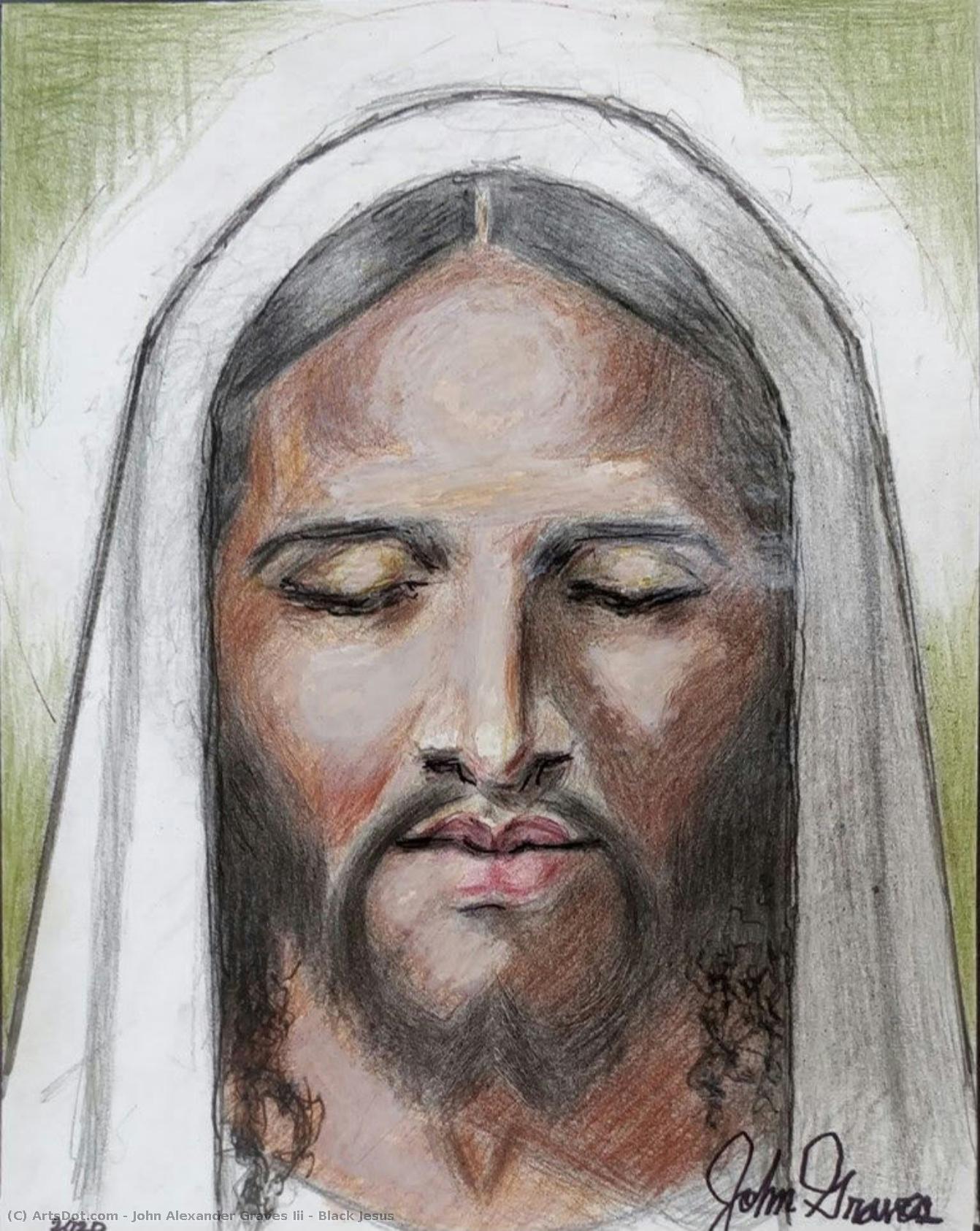
Black Jesus
复制品尺寸
John Alexander Graves III, born in Fort Worth in 1920 and passing away in Glen Rose in 2013, wasn't merely a writer; he was a cartographer of the soul, meticulously charting the landscapes—both physical and emotional—of Texas. His work transcends simple description, offering instead a profound meditation on place, memory, and the enduring connection between humanity and the natural world. Graves’s legacy isn’t defined by grand literary accolades, though he certainly earned his share of recognition, including the Texas Institute of Letters Lon Tinkle Award. Instead, it resides in the quiet resonance of his prose, the evocative power of his observations, and the way he invited readers to truly *see* the land he so deeply loved.
His early life was steeped in the rhythms of rural Texas. Growing up on a family ranch near Cuero and spending formative years in Fort Worth instilled within him an intimate understanding of the state’s diverse terrains—from the rolling hills of the Hill Country to the vast expanse of the Brazos River. This upbringing formed the bedrock of his artistic vision, informing his later work with a sensitivity rarely found in writers focused on regional themes. His formal education at Rice Institute and Columbia University provided him with intellectual tools, but it was his immersion in the Texas landscape that truly shaped his voice.
Graves’s most celebrated work, *Goodbye to a River* (1960), is arguably the cornerstone of his literary career. This memoir-cum-meditation on a three-week canoe trip down a section of the Brazos River isn't simply an account of a journey; it’s a profound exploration of time, loss, and the inexorable march of change. The river itself becomes a metaphor for life—its currents carrying us along, its banks revealing glimpses of the past, and its eventual destination ultimately unknowable. The book’s success wasn't solely due to its lyrical prose; it captured a growing sense of unease about the state’s rapid development and the potential loss of its natural heritage – a theme that would continue to resonate throughout his oeuvre.
Following *Goodbye to a River*, Graves continued to produce works that explored the complexities of Texas life. *Hard Scrabble: Observations on a Patch of Land* (1974) and *From a Limestone Ledge* (1980), collections of essays drawn from his contributions to Texas Monthly, further cemented his reputation as a keen observer of rural America. These pieces demonstrate a remarkable ability to capture the essence of ordinary people and places, revealing the beauty and dignity hidden within seemingly unremarkable lives.
Graves’s career extended beyond the realm of fiction and essays. He served as a consulting writer for the U.S. Department of the Interior's Potomac River Basin Commission from 1965 to 1967, demonstrating his commitment to environmental stewardship. His time at the University of Texas at Austin (1948-1951) and Texas Christian University (1957-1965) provided him with opportunities to nurture a new generation of writers, further solidifying his influence on the literary landscape of Texas.
His later years were marked by continued writing and reflection. He established Hard Scrabble Farm near Glen Rose, becoming deeply intertwined with the land he so eloquently described in his earlier works. This period saw the publication of *Blue & Some Other Dogs* (1981) and *My Dogs and Guns* (2007), offering intimate glimpses into his life as a farmer, rancher, and devoted companion to his dogs.
John Alexander Graves III’s work is more than just literature; it's a testament to the power of observation, the importance of place, and the enduring connection between humans and the natural world. His ability to capture the essence of Texas—its beauty, its challenges, and its people—has left an indelible mark on the state’s literary heritage. He didn’t seek fame or fortune; he simply sought to understand and articulate the landscapes that shaped his life, offering readers a profound invitation to do the same.
His legacy continues through the ongoing study of his works, inspiring writers and artists alike to explore the complexities of Texas and its unique cultural identity. Graves’s writing remains a vital resource for understanding the state's past, present, and future—a reminder that even in the face of change, the land itself holds the key to our memories and our sense of belonging.

1920 - 2013 , United States of America

 效果预览
效果预览
 购买印刷品
购买印刷品 分享
分享 分享
分享
 详情
详情

 下载
下载
 相似作品
相似作品 X射线
X射线 幻灯片播放
幻灯片播放
 展开详情
展开详情






































 玻璃选项仅适用于110厘米以下的尺寸。


