
 Oil On CanvasWallArtBaroque
 1626Early Modern
 99.0 x 126.0 cm
 大都会艺术博物馆
由我们的艺术家按需定制,为您提供您所选尺寸及画框的布面手工油画。 ( 切换至版画销售渠道 切换至数字图像销售渠道)





























从与原作比例一致的预设尺寸中进行选择。

您可以输入自定义尺寸,以适配特定的画框或空间。如果所选尺寸与原图比例不符,我们将通过裁剪作品或添加手绘元素来扩展画面。数字样稿将在制作开始前发送给您确认。
请注意,屏幕预览无法准确反映实际的裁剪或扩展效果,只有样稿才能真实呈现最终的构图。
虽然我们提供定制尺寸服务,但为了保留原作比例,建议您从预设列表中选择尺寸。

Untitled (D2X6GG)
复制品尺寸
In the vast tapestry of the 17th-century Baroque era, where the theatrical shadows of Caravaggio and the luminous interiors of Vermeer often command the spotlight, there exists a more intimate, whispered form of storytelling. Johann Liss’s “The Temptation of Saint Mary Magdalen,” completed around 1626, serves as a profound testament to this subtle mastery. The painting captures a pivotal moment of spiritual and psychological tension, inviting the viewer into a sacred space where the boundary between the divine and the earthly becomes perilously thin. Rather than relying on grand, sweeping gestures, the work finds its power in the palpable stillness of a single, transformative breath.
The narrative unfolds through a delicate arrangement of three figures, each contributing to a complex web of desire and devotion. At the heart of the composition is Mary Magdalene, her gaze directed upward in a poignant expression that oscillates between vulnerability and a burgeoning defiance. She stands at a crossroads of the soul, confronted by a shadowy figure—an entity whose true nature as either an angel or a tempter remains tantalizingly ambiguous to the observer. As he proffers an apple, a universal symbol of original sin and worldly temptation, the tension in the room becomes almost tactile. A third woman watches from the periphery, her silent presence acting as a pillar of purity, grounding the scene in a sense of watchful, quiet sanctity.
Technically, the work is a triumph of diffused light and meticulous surface detail. Eschewing the harsh, dramatic chiaroscuro that defined much of the period, the artist employs a softer, more atmospheric illumination. This gentle light source washes over the figures, casting subtle shadows that do not obscure but rather reveal the intricate textures of the scene. One can almost feel the heavy weight of the folds in Mary Magdalene’s robes and the delicate softness of her shawl, rendered with a precision that speaks to an extraordinary command of oil on canvas.
This focus on texture serves a deeper symbolic purpose; by emphasizing the physical reality of the drapery and the skin, the artist anchors the spiritual struggle in the tangible world. The rich, warm color palette enhances this effect, creating an atmosphere of contemplative warmth that draws the eye deep into the composition. For the collector or interior designer, such a piece offers more than mere decoration; it provides a focal point of profound depth, capable of anchoring a room with its sophisticated balance of light and shadow.
To possess a reproduction of this caliber is to invite a piece of art history into one's personal sanctuary. The painting does not merely depict a biblical event; it explores the universal human condition—the eternal struggle between our higher aspirations and our earthly impulses. It is a work that rewards repeated viewing, revealing new layers of psychological complexity with every glance at the subtle interplay of expressions.
Whether placed in a curated gallery setting or as a centerpiece in a thoughtfully designed living space, this artwork brings an air of intellectual rigor and emotional resonance. It appeals to those who appreciate the understated elegance of the Dutch and German Baroque traditions—a style that finds the extraordinary within the ordinary, and the divine within the quietest moments of human existence.

1597年,彼得·克拉斯(Pieter Claesz)出生于德国的堡施泰因富特——尽管学者们对其确切生卒年仍存争议。作为17世纪荷兰绘画中最具辨识度的艺术家之一,克拉斯的名字或许不像伦勃朗或维米尔那样家喻户晓,但他那沉稳内敛的风格以及对光影与氛围的精湛掌控,已为他在静物画史上赢得了无可替代的地位。他的作品是对日常器物的宁静冥想,其中蕴含着一种低调的优雅,至今仍令观者为之倾倒。1661年,他于哈勒姆溘然长逝,留给世人的不仅是那些观察入微的画面,更是一种对纹理、色彩以及生活琐碎中微妙诗意的深刻理解。
关于克拉斯早年生活的记载异常匮乏。虽然其恩师的具体身份已成谜,但他很可能曾在哈勒姆的一位画家门下受过学徒训练。他的艺术成长恰逢荷兰绘画变革的关键时期——“单色派画家”(diamond painters)的兴起。这一流派专注于捕捉简单器物上光影交织的律动,其风格深受意大利矫饰主义以及卡拉瓦乔式戏剧性明暗对照法的影响,也正是这种潮流为克拉斯独特的艺术语言奠定了基石。值得一提的是,他于1620年加入了安特卫普的圣路加行会,这暗示他在定居哈勒姆之前,曾在佛兰德斯经历过一段充满探索与精进的艺术旅程。
克拉斯的绘画以一种非凡的克制感著称。不同于同时代画家那些华丽张扬的静物创作,他避开了繁复的构图与绚烂的色彩,转而青睐一种极其有限的色调——主要是棕、灰、黑以及柔和的黄色——以此营造出一种幽静的亲密感与含蓄的美感。他的创作主题往往是摆满简单器物的早餐桌:酒杯、餐刀、面包或鱼肉盘,以及果碗,这些元素都被细致入微地描绘出来,金属、玻璃与织物的质感在笔下呈现出惊人的真实度。克拉斯成功的秘诀并不在于追求戏剧性的视觉冲击,而在于他能通过光影的微妙变化来唤起一种氛围感。他精妙地运用反射光来创造深度与体积感,将平凡的器物转化为一个个供人静心沉思的微观世界。
尽管克拉斯常被视为一位独立的创新者,但他的作品无疑受到了当时几股重要艺术思潮的影响。卡拉瓦乔对光影的戏剧化运用,在克拉斯利用反射光营造静物画内在张力的方式中清晰可见。此外,他在风格上也与哈勒姆的其他画家有着某种共鸣,例如雅各布·范·斯托特富特(Jacob van Stoorfoot)和彼得·范·内斯特(Pieter Van Neste),他们都以擅长创作单色风景画与静物画而闻名。尤为显著的是,他的儿子尼古拉斯·彼得斯·贝尔切姆(Nicolaes Pietersz Berchem)继承了家族的艺术传统,并成长为一位著名的风景画家,这充分证明了克拉斯在艺术技艺与审美感悟上的深厚传承。
彼得·克拉斯对荷兰静物画的贡献往往被低估。尽管他在生前并未获得广泛的声名,但随着时间的推移,他的作品因其宁静之美、精湛技艺以及深邃的氛围感而日益受到推崇。他的绘画为我们窥探17世纪荷兰人的日常生活提供了一个独特的窗口,揭示了一个充满简单愉悦与含蓄优雅的世界。如今,他的杰作被收藏于世界各地的顶级博物馆中,包括华盛顿国家美术馆和哈勒姆的弗兰斯·哈尔斯博物馆,确保这位“沉静大师”的卓越艺术远见能够跨越时空,持续启迪后世。
他的作品是一份关于克制、观察以及在平凡中发现美的有力证明——这些品质在数个世纪后的今天,依然能与观者产生深切的情感共鸣。

1597 - 1630 , 德国
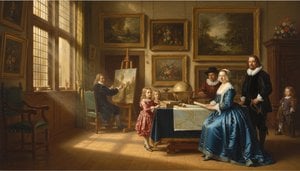
Embark on a journey through the Dutch Golden Age. Discover how masters like Rembrandt and Vermeer used chiaroscuro to manipulate light and shadow, creating timeless depth and spiritual resonance in art history's most captivating masterpieces.

Explore the dramatic mastery of Dutch Baroque art. Discover how chiaroscuro and light define the Golden Age, from Rembrandt's shadows to maritime grandeur. Perfect for classic art enthusiasts seeking deep historical insight and inspiration.

Explore the dramatic mastery of the Dutch Baroque era. Discover how masters like Rembrandt used chiaroscuro to manipulate light and shadow, creating profound emotional depth and timeless beauty in art history's most captivating masterpieces.


 效果预览
效果预览
 分享
分享 分享
分享
 详情
详情 指南
指南

 下载
下载
 相似作品
相似作品 X射线
X射线 幻灯片播放
幻灯片播放 统计数据
统计数据 展开详情
展开详情









 玻璃选项仅适用于110厘米以下的尺寸。


