
x


从与原作比例一致的预设尺寸中进行选择。

您可以输入自定义尺寸,以适配特定的画框或空间。如果您选择的尺寸与原图比例不符,我们将对作品进行裁剪,或通过镜像填充/纯色填充边缘的方式来扩展图像。在开始制作之前,我们会向您发送一份数字效果图供您确认。
请注意,屏幕上的预览并不能反映实际的裁剪或扩展效果。只有效果图才能准确展示最终的构图。
虽然我们提供定制尺寸,但为了保持原图比例,我们建议您从预设列表中选择尺寸。

Vivre
复制品尺寸
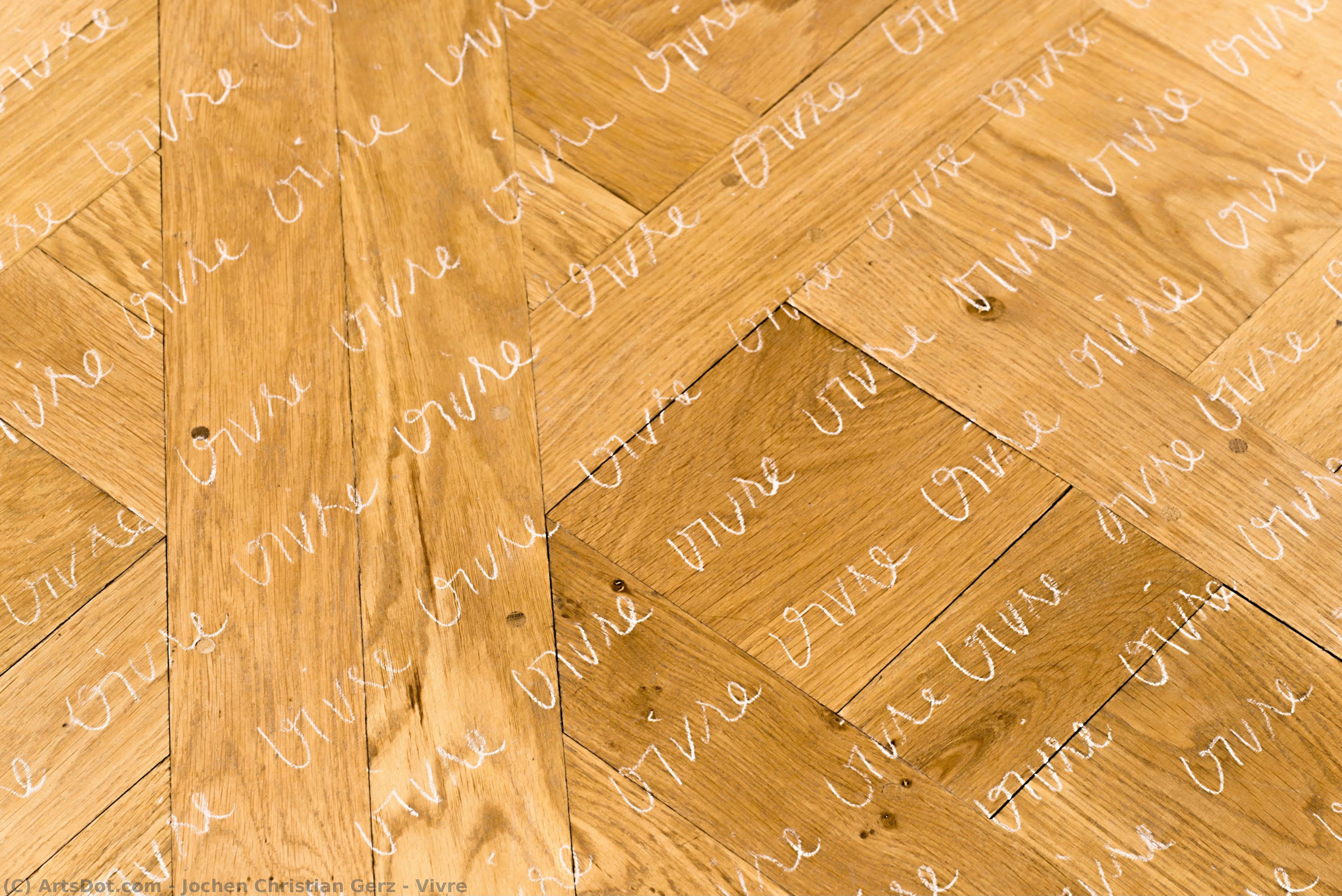
In the quiet, contemplative realm of conceptual art, few works manage to bridge the gap between the tangible material world and the ethereal layers of human thought as effectively as Jochen Christian Gerz’s Vivre. Created in 1974, this piece serves as a profound meditation on the very foundations upon which we stand. At first glance, the viewer is met with the warm, grounding presence of a wooden floor, its planks arranged in an intricate, geometric dance of light and shadow. The rich palette—ranging from honeyed ambers to deep, weathered browns—invites a tactile response, pulling the observer into a space that feels both ancient and immediate. It is a composition that celebrates the organic beauty of grain and timber, yet it refuses to remain merely decorative.
As one lingers on the surface, the true complexity of the work begins to unfold. The rhythmic, interlocking pattern of the wood provides a structural stability that is subtly disrupted by the presence of overlaid text. This layering technique transforms a simple photographic study of texture into a complex dialogue about language and presence. The white lettering, drifting across the wooden expanse, acts as a ghostly layer of consciousness superimposed upon the physical world. It suggests that our reality is never just the material ground beneath our feet, but is always being shaped, named, and redefined by the narratives we carry with us.
To understand Vivre, one must look toward the radical spirit of its creator. Jochen Christian Gerz, a pivotal figure in German contemporary art, emerged from the transformative energy of the late 1960s, a period defined by a desire to dismantle the boundaries between the artist and the public. His work has always been an architectural endeavor of memory, seeking to build spaces where history and individual experience intersect. In this 1974 piece, we see the seeds of his lifelong mission: the use of simple, accessible elements—wood, light, and text—to provoke deep inquiry into how we inhabit our world.
The title itself, meaning "To Live," provides a poignant emotional anchor. It elevates the subject matter from an abstract pattern to a philosophical inquiry. The piece asks us to consider the act of living as both a physical state and a linguistic construction. For the collector or the interior designer, this artwork offers more than just visual sophistication; it brings a sense of intellectual depth to a space. It is a work that demands a slow gaze, rewarding the viewer with a sense of peace derived from its symmetry, while simultaneously stirring a quiet curiosity about the layers of meaning hidden within the everyday.
For those seeking to curate an environment of profound character, a high-quality reproduction of Vivre offers a unique opportunity to integrate conceptual mastery into a modern interior. The piece functions beautifully as a focal point in minimalist or contemporary settings, where its organic textures can soften the sharp lines of modern architecture. Its neutral yet warm tones allow it to harmonize with diverse color palettes, while its complex composition ensures it remains a conversation starter.
Owning a reproduction of this caliber is an investment in the history of conceptual thought. It allows the evocative power of Gerz’s vision—the interplay of the permanent and the transient, the physical and the cerebral—to reside within the home. Whether placed in a quiet study or a grand living space, Vivre serves as a constant, gentle reminder of the intricate beauty found in the textures of our shared existence.

1940年出生于柏林,约亨·克里斯蒂安·格尔茨(Jochen Christian Gerz)的艺术旅程是对艺术与生活、历史与记忆之间关系的深刻探索——这是一场在公共领域中不断进行的对话。起初,他被文学与语言所吸引,并在科隆和巴塞尔完成了学业;然而,在20世纪60年代后期,受巴黎“五月风暴”动荡事件的影响,格尔茨的艺术轨迹发生了剧变。这一关键时刻标志着他与传统艺术惯例的果断决裂,促使他拥抱一种激进的方法论:将观众、公众乃至社会本身视为创作过程中不可或互缺的组成部分。他的作品跨越了行为艺术、装置、摄影、文本艺术以及精心制作的艺术家书籍,始终在挑战着既定的艺术边界,并重新审视艺术在塑造集体意识中的角色。
格尔茨职业生涯早期的一个显著特征是对传统诗歌形式的刻意拒绝,这一决定源于他认为现代诗歌已陷入停滞的信念。随后,他转向视觉艺术,开发出一种以图像与文本细致叠加为特征的独特方法论。这种方法在他的摄影板系列中得到了集中体现——那些看似平凡的图像构成的网格,伴随着零碎的文字片段——它将观众引入一个沉思的空间,促使他们质疑自身关于意义与表现形式的既定假设。这些作品中固有的刻意模糊性,迫使人们重新评估观察与阐释之间的关系,挑战了通常分配给观众的被动角色。
格尔茨实践的一个定义性特征是他对公共空间的持续介入。他并不将作品局限于画廊或博物馆,而是主动寻找城市景观中的特定场域——广场、街道以及被遗忘的角落——并将其转化为参与式艺术项目的平台。这种对“公共作者身份”的承诺超越了单纯的装置艺术;它涉及对既定叙事的刻意扰动,邀请公民成为塑造集体记忆的积极参与者。他的纪念碑式干预作品,例如《不来梅问卷》(1990-95),正是这种方法的典范,展示了提问以及回应问题的行为本身,如何能为形成对历史与身份的共同理解做出贡献。
在不来梅开展的那个项目,要求市民为一座反种族主义纪念碑构思自己的想法,这有力地证明了格尔茨的信念:记忆并非一个固定的实体,而是一个通过集体行动不断协商的动态过程。同样,他在萨尔布吕肯创作的《反法西斯纪念碑》(1991-93),通过移除并重新铺设刻有犹太公墓名称的铺路石,深刻地阐释了艺术如何直面令人不安的真相并挑战主流的历史叙事。这些干预行为并非仅仅是美学上的姿态,它们是深思熟虑的社会批判行为,引发了人们对权力、责任以及创伤持久遗产的反思。
格尔茨的艺术发展深受多种影响力的塑造。在其职业生涯早期,他曾受到艾兹拉·庞德(Ezra Pound)和理查德·奥尔丁顿(Richard Aldington)等人物作品的吸引,探索语言作为表达工具及破坏场域的可能性。达达主义运动凭借其对讽刺、偶然性操作以及对既定规范的批判立场,为格尔茨提供了重要的先例,塑造了他挑战传统艺术实践的意愿。此外,他的作品与马塞尔·杜尚(Marcel Duchamp)的思想产生了共鸣,特别是他在“现成品”探索以及对传统艺术客体概念的解构方面。马克思·恩斯特(Max Ernst)的影响在格尔茨对拼贴和组合技术的使用中也清晰可见,他通过这些技术创造出层次丰富的构图,邀请观众进行多重解读。
格尔茨的艺术风格以看似迥异的元素——摄影、文本、木材、石头——之间的刻意并置为特征,并往往结合了对细节的极致关注。他的摄影作品经常采用黑白影像,以其冷峻的现实主义和微妙的视角转换而著显著。例如《Vivre》系列(1974),通过覆盖着手写脚本的木板网格,完美诠释了这种方法,将木材的触感与语言的瞬时性融合在一起。他将公共空间作为媒介的使用尤为引人注目,将平凡的地点转化为批判性反思与集体参与的场所。
在格尔茨最重要的作品中,包括探索图像与文本关系的摄影网格《Vivre》(1974);他那将照片与叙事片段并置、邀请观众构建自身解读的“摄影文本”系列;以及他在公共空间进行的纪念碑式干预,如《不来梅问卷》和《反法西斯纪念碑》。这些项目曾在欧洲和北美广泛展出,因其在艺术与社会参与方面的创新方法而赢得了评论界的赞誉。他的作品也在 WahooArt.com 等平台上找到了归宿,将其影响力扩展到了全球观众。
约亨·格尔茨的遗产不仅在于他个人的艺术作品,更在于他作为一名概念艺术家的先驱精神——他重新定义了艺术的边界及其与社会的关系。他对公共作者身份的承诺、对既定叙事的挑战意愿,以及他对记忆的深刻介入,都在当代艺术版图中留下了持久的印记,激励着一代又一代艺术家去探索艺术作为社会变革工具的无限潜力。

1940 - , 德国

Explore the profound elegance of minimalist art. Discover how the precision of a single line transforms simple geometry into timeless masterpieces for the discerning collector seeking sophistication and depth in fine art acquisitions.
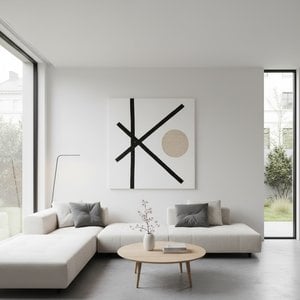
Discover how minimalist art elevates modern interiors. Explore the transformative power of geometric sculptures, tactile textures, and curated simplicity to create a luxurious, tranquil sanctuary in your home through expert design principles.

Elevate your living space with our expert guide to minimalist art. Discover how to master intentional decor through curated sculptures, geometric forms, and sophisticated textures to create a serene, high-end modern interior.
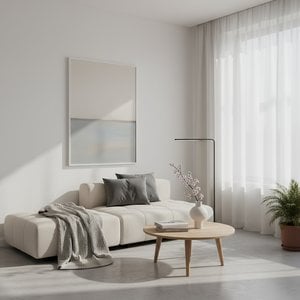
Elevate luxury hospitality with the transformative power of minimalist art. Discover how curated geometric sculptures and textured masterpieces create serene, sophisticated hotel interiors designed for the modern connoisseur.

Explore the profound elegance of the Minimalist Art Movement. From geometric abstraction to the power of negative space, our expert guide offers sophisticated insights for discerning collectors seeking to curate timeless, impactful modern collections.


第一时间获取最新的艺术新闻、独家优惠及装饰灵感。
向我们介绍您的项目需求,我们的艺术专家将为您提供 3 个个性化的艺术品推荐。
由我们的专家为您精选 3 款心仪之作 —— 完全免费!

 购买手绘画作
 分享
分享 分享
分享
 详情
详情

 下载
下载
 相似作品
相似作品 幻灯片播放
幻灯片播放


 展开详情
展开详情






































 玻璃选项仅适用于110厘米以下的尺寸。


