效果预览 AR 预览 购买手绘画作 切换至数字图像销售渠道 分享
详情 指南 加入收藏 下载 相似作品 X射线 幻灯片播放 统计数据

El gran caníbal

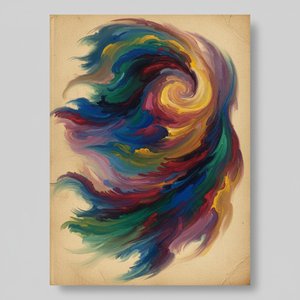
A captivating central spider motif emerges from a surreal landscape of symbols and nature in this 1979 abstract lyrical masterpiece by Joaquin Ramon Ferrer, inviting you to explore the depths of his unique vision.

Explore the abstract & lyrical art of Joaquín Ramón Ferrer (1928-2022), a Cuban-French painter influenced by Kandinsky. Discover his vibrant canvases, jungle themes, and legacy in modern art.

艺术微喷/版画

博物馆级艺术微喷或帆布版画,制作高效,并提供多种饰面选择。 ( 购买手绘画作 切换至数字图像销售渠道)

标准尺寸
定制
CM
INCH

从与原作比例一致的预设尺寸中进行选择。

宽度
高度

您可以输入自定义尺寸,以适配特定的画框或空间。如果您选择的尺寸与原图比例不符,我们将对作品进行裁剪,或通过镜像填充/纯色填充边缘的方式来扩展图像。在开始制作之前,我们会向您发送一份数字效果图供您确认。
请注意,屏幕上的预览并不能反映实际的裁剪或扩展效果。只有效果图才能准确展示最终的构图。
虽然我们提供定制尺寸,但为了保持原图比例,我们建议您从预设列表中选择尺寸。

全球配送(),仅需 2 周即可送达,无需等待标准流程的 4/5 周。(24 September)

why_choose_icon
全球免费特快专递服务
why_choose_icon
优质亚麻画布
why_choose_icon
全程运输保险
why_choose_icon
关税退款保证
why_choose_icon
色彩还原度保证
why_choose_icon
100天退货政策(仅限瑕疵品)
why_choose_icon
100%退款保证
why_choose_icon
多件购买优惠

总计金额

$ 68

reproduction

El gran caníbal

艺术微喷/版画

复制品尺寸

-

最终总价

$ 68

作品概览

  • Subject or theme: Nature and symbolic imagery
  • Artistic style: Abstract lyricism
  • Title: El gran caníbal
  • Year: 1979
  • Notable elements or techniques: Spider, trees, birds, and symbols

A Labyrinth of Symbolism: Unveiling El gran caníbal

In the evocative realm of Joaquín Ramón Ferrer, the boundaries between reality and the subconscious dissolve into a tapestry of "abstract lyricism." His 1979 masterpiece, El gran caníbal, stands as a profound testament to this vision, inviting the viewer into a complex, dreamlike landscape where nature and myth collide. At first glance, the eye is drawn to the central, imposing figure of a spider, a creature that serves as both a focal point and a silent sentinel within the composition. This arachnid presence, nestled amidst a delicate arrangement of trees, birds, and cryptic symbols, suggests a primal, predatory energy—a theme echoed in the painting's provocative title. The work does not merely depict a scene; it constructs an atmosphere of tension and curiosity, pulling the observer into a web of visual enigmas.

The technique employed by Ferrer is a masterful dance of suggestion rather than explicit representation. Eschewing the rigid lines of traditional realism, he utilizes a fluid, organic approach that allows shapes to emerge from a sea of texture and color. The composition is framed by an unusual, tent-like structure of fabric that surrounds the canvas, creating an intimate, almost sacred space for the artwork to breathe. This layering of elements—the interplay between the central spider and the surrounding natural motifs—creates a sense of depth that feels both infinite and claustrophobic. For the collector or interior designer, this piece offers a sophisticated layer of intellectual depth, providing a conversation starter that rewards repeated viewing with new discoveries in its intricate details.

The Legacy of Abstract Lyricism

To understand El gran caníbal, one must look to the artistic journey of Ferrer himself, a soul shaped by the vibrant warmth of his Cuban roots and the avant-garde spirit of Paris. Influenced by the profound abstractions of Kandinsky, Ferrer sought to translate the intangible—emotions, rhythms, and whispers of the soul—into tangible pigment. His work often explores themes of the jungle and the primal, using a palette that can shift from the lush, verdant tones of tropical life to more somber, introspective hues. In this specific piece, the juxtaposition of the predatory spider with the delicate symbols of nature creates a powerful emotional resonance, evoking the cycle of life, death, and the beautiful terror of the natural world.

For those seeking to curate a space of profound character, a high-quality reproduction of this work offers more than mere decoration; it provides an emotional anchor. The painting’s ability to evoke both wonder and introspection makes it an ideal centerpiece for modern interiors that value storytelling and complexity. Whether placed in a quiet study or a grand gallery-style living room, El gran caníbal brings with it the enduring legacy of a master who dared to paint the unseen, turning the canvas into a window through which we might glimpse the beautiful, chaotic heart of existence.


艺术家简介

Joaquin Ramón Ferrer: A Journey Through Abstract Lyricism

Joaquín Ramón Ferrer, a name perhaps less familiar than some of his contemporaries, nevertheless represents a significant and quietly compelling voice within the landscape of 20th-century abstract art. Born in Manzanillo, Cuba, on October 4, 1928, and passing away in Paris in March 2022, Ferrer’s artistic trajectory is one marked by a fascinating blend of Cuban heritage, Parisian influence, and an unwavering dedication to exploring the intangible – what he termed “abstract lyricism.” His work isn't about depicting recognizable forms; instead, it delves into the realm of feeling, suggestion, and the evocative power of color and shape. He was a painter, drawer, and engraver, each medium serving as a vehicle for his unique vision.

Early Life and Artistic Foundations

Ferrer’s early years in Cuba provided a rich foundation for his artistic development. While details about his formal training are somewhat sparse, he attended the School of Fine Arts in Havana, an institution that nurtured a generation of Cuban artists during a period of significant cultural ferment. It was here that he began to experiment with various styles and techniques, absorbing influences from both European modernism and the burgeoning avant-garde movements within Cuba itself. Crucially, his exposure to Wassily Kandinsky’s groundbreaking work in abstraction proved particularly formative. Kandinsky's exploration of color as a language, capable of conveying emotion and spiritual experience, resonated deeply with Ferrer, shaping his own approach to composition and palette. Beyond Kandinsky, hints of geometric abstract art – the emphasis on precise forms and non-illusionistic space – can also be detected in his early works, suggesting an ongoing dialogue between diverse artistic currents.

Parisian Sojourn and Artistic Evolution

In 1960, Ferrer received a prestigious scholarship from the Ministry of Education, allowing him to pursue his studies in Paris. This move marked a pivotal moment in his career, effectively relocating him to the heart of European art and culture. Rather than simply adopting Parisian styles, Ferrer skillfully integrated these influences into his own distinct artistic language. He established himself as a committed abstract artist, developing a highly personal style characterized by layered textures, subtle color shifts, and an almost meditative quality. His work began to explore themes of emptiness (“le vide”), presence, and the interplay between visible and invisible realities – concepts that would become central to his oeuvre. The Parisian environment undoubtedly fostered a shift in his perspective, encouraging him to move away from overtly representational imagery and towards a more purely expressive form of abstraction.

Notable Works and Exhibitions

Ferrer’s artistic output is marked by a series of powerful and evocative works that continue to captivate viewers. “Le vide et la présence” (1959) exemplifies his exploration of emptiness as a source of profound meaning, while “Le prédestiné est visible” (1969) suggests a hidden order beneath the surface of reality. “Mirage” (1972) and “Intervalle blanc” (1987) further demonstrate his mastery of color and texture, creating works that invite contemplation and emotional response. His first exhibition in Paris, held at the Point Cardinal Gallery in 1968, garnered critical attention and established him as a rising star within the European abstract art scene. Throughout his career, Ferrer’s work has been exhibited in prestigious museums across both Cuba and France, including the Museum of Modern Art in Havana, the Ministero degli Affari Esteri e della Cooperazione Internazionale. Collezione Farnesina in Rome, and the Maison de l'Amérique Latine.

Legacy and Artistic Significance

Joaquín Ramón Ferrer’s contribution to modern art lies not in grand gestures or revolutionary innovations, but rather in his quiet, persistent exploration of abstract lyricism. He eschewed the overt ambition of some of his contemporaries, instead focusing on creating works that resonate with a deep sense of introspection and emotional depth. His work stands as a testament to the power of abstraction to convey complex ideas and feelings through purely visual means. While perhaps not widely recognized in mainstream art circles, Ferrer’s legacy endures within the realm of abstract art enthusiasts and collectors who appreciate his unique vision and masterful execution. His dedication to exploring the intangible continues to inspire artists today, reminding us that true artistic expression lies not in replicating reality, but in revealing its hidden depths.
joaquin ramon ferrer

joaquin ramon ferrer

1928 - 2022 , Cuba

艺术家简介

  • Artistic Movement Or Style: Abstract & Lyric Art
  • Artists Or Movements Influenced By This Artist: ['Geometric Abstract']
  • Artists Who Influenced This Artist: ['Wassily Kandinsky']
  • Date Of Birth: October 4, 1928
  • Date Of Death: March 24, 2022
  • Full Name: Joaquin Ramon Ferrer
  • Nationality: French
  • Notable Artworks:
    • Le vide et la présence
    • Le prédestiné est visible
    • Mirage
    • Intervalle blanc
  • Place Of Birth: Manzanillo, Cuba