

博物馆级艺术微喷或帆布版画,制作高效,并提供多种饰面选择。 ( 订购纯手工绘制画作 切换至数字图像销售渠道)





























您可以从与原作比例一致的预设尺寸中进行选择。

请输入您所需的宽度和高度,以适配您的画框或墙面。由于印刷品只能进行裁剪,无法超出原图尺寸,因此若比例不一致,画面的一部分将会被裁切。在正式印刷之前,我们会为您发送一份数字效果图供您确认。本页面显示的图片并非最终裁剪后的效果——只有效果图才能展示真实的裁剪情况。
The Four Elements: Earth
复刻品尺寸
Joachim Beuckelaer’s “The Four Elements: Earth,” painted in 1569, is more than just a still life; it's a meticulously crafted tableau vivant, offering a rare glimpse into the daily rhythms and symbolic preoccupations of early 16th-century Antwerp. This remarkable work, now housed at the National Gallery in London, stands as a pivotal piece in the development of both genre painting and the nascent field of still life art. Beuckelaer’s genius lies not merely in his technical skill – though that is undeniably impressive – but in his ability to elevate the commonplace, transforming everyday scenes into narratives brimming with subtle meaning.
The scene unfolds within a modestly sized domestic interior, dominated by an abundance of fruits and vegetables. A riot of color—deep reds of cherries and pomegranates, vibrant greens of leafy cabbages and leeks, sunny yellows of lemons and melons—assault the senses, creating a palpable feeling of richness and plenty. The composition is carefully balanced, drawing the eye across the table laden with provisions, towards the two women engaged in their tasks. These aren’t idealized figures; they are working women, their sleeves rolled up, faces flushed from exertion, suggesting a life rooted in labor and practicality. The inclusion of a cat curled contentedly amongst the produce adds an unexpected touch of domesticity and perhaps even hints at the element of water – a symbol often associated with feline grace and fluidity.
Beuckelaer’s work is deeply intertwined with the prevailing symbolic language of the era. The arrangement of the produce isn't arbitrary; each item carries a specific weight, contributing to the painting’s layered meaning. The sheer variety—a testament to the seasons and the region’s agricultural bounty—represents Earth in its most tangible form: sustenance, fertility, and the cycle of life. The presence of apples, scattered throughout the scene, is particularly noteworthy; they have long been associated with knowledge, temptation, and earthly delights – a subtle reminder of the balance between material prosperity and spiritual contemplation.
Crucially, “The Four Elements: Earth” isn’t presented in isolation. It belongs to a series of four paintings—Water, Air, and Fire—each depicting a different element alongside a biblical narrative. In this case, the background reveals the Flight into Egypt, with Mary and Joseph traversing a bridge, offering a visual counterpoint to the earthly abundance before us. This juxtaposition highlights a key theme in Beuckelaer’s work: the tension between the material world and the spiritual realm, a central concern for artists of the time grappling with religious upheaval and social change.
Executed in oil on wood panel, “The Four Elements: Earth” showcases Beuckelaer's mastery of *sfumato* – a subtle blurring of edges and colors that creates an atmospheric depth and lends the scene a remarkable sense of realism. The artist’s meticulous attention to detail is evident in every rendered leaf, every glistening droplet of moisture, and every carefully positioned fruit. The use of light is particularly effective, illuminating the table and casting soft shadows, drawing the viewer into the heart of the composition.
Painted during a period of significant political and religious instability in the Netherlands – the waning years of the Beeldenstorm (the iconoclastic movement of 1566) – “The Four Elements: Earth” reflects a shift away from purely religious subjects towards more secular themes. Beuckelaer’s market scenes, like this one, offered a way to celebrate the everyday realities of life while subtly engaging with broader cultural and theological concerns. The painting's popularity suggests a desire for beauty and comfort amidst uncertainty, a yearning for connection to the tangible world.
“The Four Elements: Earth” remains a captivating work of art, offering viewers a rich tapestry of visual and symbolic information. Its vibrant colors, meticulous detail, and subtle narrative invite contemplation on themes of abundance, labor, faith, and the enduring connection between humanity and the natural world. Whether viewed as a masterful example of genre painting or a poignant reflection of its historical context, this remarkable work continues to resonate with audiences today, serving as a testament to Joachim Beuckelaer’s artistic vision and his pivotal role in shaping the course of art history.
建议将“The Four Elements: Earth”用于Statement,推荐摆放空间为Living Room。
“The Four Elements: Earth”呈现出Ochre to Sepia色调。
馆藏于 国家美术馆 的 约阿希姆·博伊克拉尔 的《The Four Elements: Earth》 属于 属于公有领域 —— 其版权已过期。这一状态决定了该图像是否可以进行复制。


1533 - 1573 , 比利时

Explore the dramatic brilliance of the Flemish Baroque movement. Discover how masters like Peter Paul Rubens utilized chiaroscuro and dynamic composition to redefine art history through light, shadow, and unparalleled emotion.

Embark on a journey through the exquisite precision of Flemish Art. Discover the pioneering oil techniques, profound symbolism, and luminous realism that define the Northern Renaissance masters in this expert guide for art enthusiasts.

Embark on a sophisticated journey through art history with our exploration of still life masterpieces. Discover the profound symbolism behind classical paintings of drinks and fruit, curated for the true connoisseur seeking timeless elegance and academic depth.
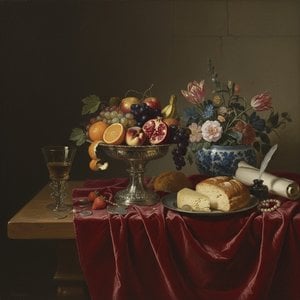
Embark on a sophisticated journey through the history of still life art. From Dutch Golden Age masterpieces to Baroque opulence, explore the profound symbolism and timeless beauty of the world's most exquisite table compositions.

Explore the exquisite precision of Flemish painting. From Jan van Eyck to Robert Campin, discover the revolutionary oil techniques and rich symbolism that defined the Northern Renaissance and continue to inspire fine art collectors today.

 实景预览
实景预览
 分享
分享 分享
分享
 详情
详情 指南
指南

 下载作品
下载作品
 相似作品
相似作品 X射线
X射线 幻灯片播放
幻灯片播放 问答
问答
 统计数据
统计数据


 展开全文
展开全文









 玻璃选项仅适用于110厘米以下的尺寸。


