

博物馆级艺术微喷或帆布版画,制作高效,并提供多种饰面选择。 ( 订购纯手工绘制画作 切换至数字图像销售渠道)





























您可以从与原作比例一致的预设尺寸中进行选择。

请输入您所需的宽度和高度,以适配您的画框或墙面。由于印刷品只能进行裁剪,无法超出原图尺寸,因此若比例不一致,画面的一部分将会被裁切。在正式印刷之前,我们会为您发送一份数字效果图供您确认。本页面显示的图片并非最终裁剪后的效果——只有效果图才能展示真实的裁剪情况。
The Four Elements: Earth
复刻品尺寸
Joachim Beuckelaer’s “The Four Elements: Earth,” painted in 1569, isn't merely a still life; it’s a vibrant snapshot of 16th-century Antwerp—a bustling marketplace teeming with the bounty of the land and subtly interwoven with biblical narrative. This remarkable painting, now residing at the National Gallery in London, offers a captivating glimpse into the daily lives, economic realities, and spiritual beliefs of a burgeoning urban society. Beuckelaer, a master of depicting scenes of everyday life—markets, kitchens, and domestic interiors—elevates the commonplace to an artful level, demonstrating a keen eye for detail and a sophisticated understanding of visual storytelling.
The scene unfolds within a modest farmhouse setting, bathed in warm light that highlights the astonishing variety of produce on display. Mountains of vegetables – cabbages, turnips, carrots, beets, leeks, and countless others – tumble from overflowing baskets and spill across tables, creating an impression of overwhelming abundance. The artist’s meticulous rendering captures not just the appearance of these items but also their textures and colors with remarkable accuracy. The sheer volume of food is a deliberate statement, reflecting the prosperity of the region and hinting at the importance of agriculture in its economy. Beyond the immediate visual spectacle, however, lies a deeper symbolic meaning rooted in the Renaissance fascination with classical elements.
Beuckelaer’s masterful use of color is central to the painting's impact. The earthy tones – browns, greens, yellows, and reds – dominate the palette, mirroring the natural world depicted before us. Yet, within this grounded scheme, flashes of vibrant hues—the crimson of a ripe apple, the deep purple of a beet—draw the eye and create a sense of visual delight. The arrangement of the fruits and vegetables isn’t random; it's carefully orchestrated to evoke a feeling of abundance and fertility. Notice how some items are piled high, suggesting wealth and prosperity, while others are arranged in more modest groupings, perhaps representing the everyday needs of a household.
Crucially, “The Four Elements: Earth” is not simply a depiction of a market scene; it’s a carefully constructed allegory. In the background, partially obscured by the tables laden with produce, we glimpse a familiar biblical episode – the Flight into Egypt. The arched doorway and the figures crossing the bridge are unmistakable references to the story of Mary and Joseph seeking refuge from King Herod. This juxtaposition of earthly abundance and divine narrative serves as a subtle reminder of the relationship between material prosperity and spiritual salvation—a common theme in Northern European art of this period.
Executed in oil on wood, “The Four Elements: Earth” showcases Beuckelaer’s exceptional skill in rendering textures and creating a sense of depth. The artist employs a technique known as *sfumato*, subtly blurring the edges of objects to create an atmospheric effect and enhance the illusion of three-dimensionality. This masterful use of light and shadow, combined with his meticulous attention to detail, results in a remarkably lifelike portrayal of the marketplace.
Painted during the waning years of the religious iconoclasm—a period of intense upheaval and destruction of religious images in Antwerp—the painting reflects a shift in artistic focus towards secular subjects. Beuckelaer’s decision to depict a bustling market scene, rather than a traditional religious image, demonstrates this trend. The work is part of a larger series exploring the four elements – Water, Air, and Fire – further solidifying Beuckelaer's place as a pivotal figure in the transition from medieval to Renaissance art. His work provides invaluable insight into the daily lives and beliefs of people living during that time.
“The Four Elements: Earth” is more than just a beautiful painting; it’s a window into the past—a tangible connection to a vibrant and complex society. Its rich symbolism, masterful technique, and captivating subject matter continue to resonate with viewers today. Whether you are an art enthusiast, a collector seeking a unique addition to your collection, or simply someone looking for inspiration, this remarkable painting offers a profound and rewarding experience.
《The Four Elements: Earth》的原作收藏于国家美术馆,该作品属于属于公有领域 —— 其版权已过期。
"The Four Elements: Earth"创作于1569年,属于Northern Renaissance运动时期的作品。其创作年代与艺术流派确立了该作品在艺术史上的地位。
"The Four Elements: Earth" 的创作者是 约阿希姆·博伊克拉尔。该作品以 约阿希姆·博伊克拉尔 的名义编入目录。


1533 - 1573 , 比利时

Explore the dramatic brilliance of the Flemish Baroque movement. Discover how masters like Peter Paul Rubens utilized chiaroscuro and dynamic composition to redefine art history through light, shadow, and unparalleled emotion.
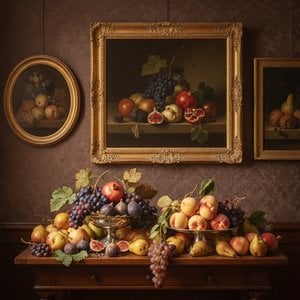
Discover the profound beauty of fruit still life paintings. Explore the rich symbolism, Baroque mastery, and timeless allure of nature's bounty through an art-historical lens, perfect for collectors and enthusiasts of classical fine art.

Explore the profound beauty of fruit arrangement masterpieces. From Dutch Golden Age opulence to Baroque chiaroscuro, discover the art history, symbolism, and timeless elegance of classical still life paintings for the discerning collector.

Embark on a visual journey through history's most opulent masterpieces. Explore the breathtaking beauty of Baroque banquets and fruit still lifes, celebrating themes of abundance and luxury through the lens of timeless classical art expertise.

Embark on a sophisticated journey through art history with our exploration of still life masterpieces. Discover the profound symbolism behind classical paintings of drinks and fruit, curated for the true connoisseur seeking timeless elegance and academic depth.

 实景预览
实景预览
 分享
分享 分享
分享
 详情
详情 指南
指南

 下载作品
下载作品
 相似作品
相似作品 X射线
X射线 幻灯片播放
幻灯片播放 问答
问答
 统计数据
统计数据


 展开全文
展开全文









 玻璃选项仅适用于110厘米以下的尺寸。


