
 OilWallArtFlemish Renaissance
 1574
1574 112.0 x 81.0 cm
 Kunsthistorisches Museum
由我们的艺术家按需定制,为您提供您所选尺寸及画框的布面手工油画。 ( 切换至版画销售渠道 切换至数字图像销售渠道)





























从与原作比例一致的预设尺寸中进行选择。

您可以输入自定义尺寸,以适配特定的画框或空间。如果所选尺寸与原图比例不符,我们将通过裁剪作品或添加手绘元素来扩展画面。数字样稿将在制作开始前发送给您确认。
请注意,屏幕预览无法准确反映实际的裁剪或扩展效果,只有样稿才能真实呈现最终的构图。
虽然我们提供定制尺寸服务,但为了保留原作比例,建议您从预设列表中选择尺寸。

The Cook
复制品尺寸
Joachim Beuckelaer's "The Cook," painted in 1574, isn’t merely a depiction of a kitchen scene; it’s a meticulously crafted tableau vivant—a snapshot of daily life imbued with subtle symbolism and remarkable technical skill. This oil on canvas, currently residing within the Kunsthistorisches Museum in Vienna, transports us to a bustling domestic space, radiating warmth and inviting contemplation. Beuckelaer, a master of the market and kitchen genre, inherited his artistic lineage from his uncle, Pieter Aertsen, absorbing and refining a style characterized by earthy tones and an almost obsessive attention to detail. The painting’s power lies not just in its realism but in its ability to evoke a specific atmosphere—a sense of abundance, industry, and the quiet rhythms of domesticity.

At first glance, “The Cook” presents a seemingly straightforward scene: a woman, dressed in the practical attire of her time—a white blouse with puffy sleeves and a vibrant red skirt—is diligently plucking feathers from a chicken. However, a closer examination reveals layers of intricate detail and subtle symbolism. The artist’s mastery is evident in every brushstroke; the textures of the fabrics are rendered with astonishing accuracy, the feathers shimmer with lifelike realism, and the reflections on the large copper pot hint at the heat of the hearth. Beyond the immediate depiction of food preparation, Beuckelaer incorporates elements that speak to broader themes. The basket overflowing with fruit—apples, oranges, and other seasonal delights—represents not just sustenance but also prosperity and abundance. The presence of a biblical scene in the background, depicting Mary visiting Martha, subtly reinforces the importance of spiritual nourishment alongside earthly pleasures.
The arrangement itself is carefully considered. The central figure, the cook, anchors the composition, while the surrounding elements—the utensils, ingredients, and even the glimpse of people outside the window—are arranged in a balanced, symmetrical manner. This deliberate composition contributes to the painting’s overall sense of harmony and order, reflecting the values of Renaissance art.
To fully appreciate “The Cook,” it's crucial to understand its historical context. Painted during a period of religious upheaval in Europe—the Beeldenstorm (iconoclastic movement)—Beuckelaer’s work represents a shift away from purely religious subjects towards a celebration of the everyday world. His style, heavily influenced by his uncle Pieter Aertsen, is characterized by an earthy palette and a focus on domestic scenes filled with realistic details. The inclusion of staffage—figures engaged in various activities—adds to the painting’s narrative quality, creating a sense of immediacy and inviting the viewer to step into the scene. Beuckelaer's work also reflects the growing interest in still life as an independent genre, foreshadowing its eventual prominence in 17th-century Dutch art.
At WahooArt.com, we are proud to offer meticulously crafted oil painting reproductions of Joachim Beuckelaer’s "The Cook." Our skilled artisans painstakingly recreate every detail of the original, ensuring that your reproduction captures the painting's warmth, realism, and subtle symbolism. Whether you’re an art enthusiast, a collector, or simply seeking a beautiful addition to your home décor, our reproductions provide a stunning way to experience this remarkable work of Flemish art. For further information about Joachim Beuckelaer and his artistic legacy, we encourage you to explore the resources available on Wikipedia (Wikipedia) or visit our website at WahooArt.com.


1533 - 1573 , 比利时
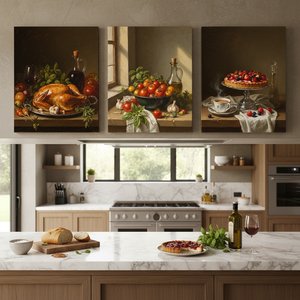
Elevate your home with WahooArt’s bespoke oil paintings. Transform cherished kitchen memories into museum-quality still life masterpieces. Hand-painted by master artists using traditional techniques to create a timeless legacy for your luxury interior.

Explore the dramatic brilliance of the Flemish Baroque movement. Discover how masters like Peter Paul Rubens utilized chiaroscuro and dynamic composition to redefine art history through light, shadow, and unparalleled emotion.

Explore the exquisite precision of Flemish painting. From Jan van Eyck to Robert Campin, discover the revolutionary oil techniques and rich symbolism that defined the Northern Renaissance and continue to inspire fine art collectors today.

Embark on a journey through the exquisite precision of Flemish Art. Discover the pioneering oil techniques, profound symbolism, and luminous realism that define the Northern Renaissance masters in this expert guide for art enthusiasts.
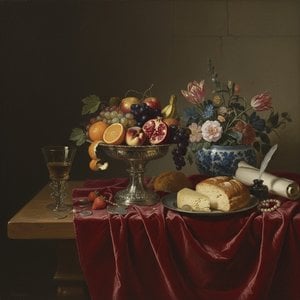
Embark on a sophisticated journey through the history of still life art. From Dutch Golden Age masterpieces to Baroque opulence, explore the profound symbolism and timeless beauty of the world's most exquisite table compositions.


 效果预览
效果预览
 分享
分享 分享
分享
 详情
详情

 下载
下载
 相似作品
相似作品 X射线
X射线 幻灯片播放
幻灯片播放 统计数据
统计数据 展开详情
展开详情









 玻璃选项仅适用于110厘米以下的尺寸。


