
 Oil On CanvasWallArtRenaissance Realism
 1563Renaissance
 114.0 x 83.0 cm
 羅爾富萊茨博物館
由我们的艺术家按需定制,为您提供您所选尺寸及画框的布面手工油画。 ( 切换至版画销售渠道 切换至数字图像销售渠道)





























从与原作比例一致的预设尺寸中进行选择。

您可以输入自定义尺寸,以适配特定的画框或空间。如果所选尺寸与原图比例不符,我们将通过裁剪作品或添加手绘元素来扩展画面。数字样稿将在制作开始前发送给您确认。
请注意,屏幕预览无法准确反映实际的裁剪或扩展效果,只有样稿才能真实呈现最终的构图。
虽然我们提供定制尺寸服务,但为了保留原作比例,建议您从预设列表中选择尺寸。

Slaughtered Pig
复制品尺寸
In the quiet intensity of Joachim Beuckelaer’s 1563 masterpiece, "Slaughtered Pig," the viewer is not merely an observer but a witness to a profound moment of transformation. This oil on canvas, born from the vibrant intellectual and commercial energy of Antwerp’s golden age, transcends the boundaries of a simple genre painting. At first glance, the scene presents a raw, almost unsettling depiction of butchery: a pig hangs suspended from a sturdy wooden beam, its hind legs bound, while the visceral reality of its anatomy is laid bare. The artist does not flinch from the grisly details; instead, he invites us to look closer at the exposed musculature and the glistening textures of the carcass. Through this unflinching gaze, Beuckelaer captures a pivotal moment in art history where the boundaries between the mundane and the monumental begin to blur.
The composition is a masterclass in chiaroscuro, utilizing dramatic light and deep, enveloping shadows to sculpt the figures and the central subject. As light spills across the scene, it illuminates the intricate textures of the pig's skin and the practiced movements of the two men engaged in their labor. One figure, perched precariously atop a ladder, reaches toward the animal, while another stands below, wielding his tools with a precision that speaks to years of tradition. This interplay of light and shadow does more than create depth; it imbues the scene with a somber, almost ritualistic atmosphere, turning a common agricultural task into a heavy meditation on the cycle of life and death.
Beyond the surface-level realism lies a complex web of symbolism deeply rooted in the humanist spirit of the sixteenth century. While Beuckelaer is celebrated for his mastery of market and kitchen scenes, his work often carries an undercurrent of spiritual reflection. The act of slaughter depicted here can be viewed as a symbolic representation of sacrifice, a theme that resonated powerfully within the religious landscape of the Renaissance. The vulnerability of the animal, contrasted with the methodical, almost clinical precision of the butchers, serves as a poignant reminder of mortality and the interconnectedness of all living things. It is this ability to find profound meaning within the most earthly of subjects that elevates Beuckelaer from a mere chronicler of daily life to a philosopher of the canvas.
Technically, the painting is a triumph of Flemish precision. Beuckelaer employed a meticulous layering of translucent glazes, a technique that allows light to penetrate the paint layers and reflect back, creating an inner luminosity and an extraordinary sense of tactile realism. Every element—from the rough grain of the wooden beam to the sheen of the metal instruments—is rendered with an obsessive attention to detail. This dedication to texture makes the painting feel remarkably alive, as if one could almost sense the weight of the carcass or the dampness of the rural setting. For the collector or interior designer, such a piece offers more than just visual beauty; it provides a conversation piece that commands attention through its sheer technical prowess and emotional depth.
For those seeking to curate a space that reflects depth, history, and a love for classical realism, "Slaughtered Pig" offers an unparalleled sense of character. The painting’s palette, dominated by rich earth tones, provides a grounding element that complements both traditional and contemporary decor. Its ability to evoke a sense of nostalgia and reverence makes it an ideal centerpiece for a study, a library, or a dining room where themes of sustenance and heritage are celebrated. Owning a high-quality reproduction of this work allows one to bring the spirit of the Antwerp Renaissance into the modern home, offering a window into a world where even the most unsettling realities were met with profound artistic contemplation.


1533 - 1573 , 比利时

Embark on a journey through the exquisite precision of Flemish Art. Discover the pioneering oil techniques, profound symbolism, and luminous realism that define the Northern Renaissance masters in this expert guide for art enthusiasts.

Explore the exquisite precision of Flemish painting. From Jan van Eyck to Robert Campin, discover the revolutionary oil techniques and rich symbolism that defined the Northern Renaissance and continue to inspire fine art collectors today.

Embark on a sophisticated journey through art history with our exploration of still life masterpieces. Discover the profound symbolism behind classical paintings of drinks and fruit, curated for the true connoisseur seeking timeless elegance and academic depth.

Explore the dramatic brilliance of the Flemish Baroque movement. Discover how masters like Peter Paul Rubens utilized chiaroscuro and dynamic composition to redefine art history through light, shadow, and unparalleled emotion.
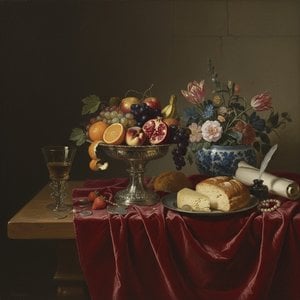
Embark on a sophisticated journey through the history of still life art. From Dutch Golden Age masterpieces to Baroque opulence, explore the profound symbolism and timeless beauty of the world's most exquisite table compositions.


 效果预览
效果预览
 分享
分享 分享
分享
 详情
详情 指南
指南

 下载
下载
 相似作品
相似作品 X射线
X射线 幻灯片播放
幻灯片播放 统计数据
统计数据 展开详情
展开详情









 玻璃选项仅适用于110厘米以下的尺寸。


