
 Painting
 1930Modern
 150.0 x 66.0 cm
 Museo del Traje
博物馆级艺术微喷或帆布版画,制作高效,并提供多种饰面选择。 ( 购买手绘画作 切换至数字图像销售渠道)





























从与原作比例一致的预设尺寸中进行选择。

您可以输入自定义尺寸,以适配特定的画框或空间。如果您选择的尺寸与原图比例不符,我们将对作品进行裁剪,或通过镜像填充/纯色填充边缘的方式来扩展图像。在开始制作之前,我们会向您发送一份数字效果图供您确认。
请注意,屏幕上的预览并不能反映实际的裁剪或扩展效果。只有效果图才能准确展示最终的构图。
虽然我们提供定制尺寸,但为了保持原图比例,我们建议您从预设列表中选择尺寸。

Dress
复制品尺寸
In the pantheon of fashion history, few names evoke the same sense of poetic grace as Jeanne Lanvin. Her 1930 masterpiece, Dress, is not merely a garment captured on canvas; it is a profound exploration of silhouette and movement. The painting presents a striking red damask cotton dress, a piece that embodies the transition of 1930s aesthetics where the rigid structures of previous decades began to yield to a more fluid, romanticized femininity. As the eye wanders across the vibrant crimson surface, one immediately notices the meticulous interplay of light and shadow upon the fabric's texture. The sleeveless design and central silhouette create a sense of poised stillness, yet the subtle complexity of the pleats and the undulating folds below the bust suggest a hidden vitality, as if the wearer were caught in a moment of quiet, breathless anticipation.
The technical brilliance of this work lies in its ability to translate the tactile reality of haute couture into a visual symphony. The artist masterfully renders the weight and luster of the damask, capturing how the light catches the raised patterns of the cotton. There is a rhythmic quality to the composition, driven by the vertical gathers and the asymmetrical hemline that features a delicate tail at the back. This structural experimentation—a hallmark of Lanvin’s career—is rendered with such precision that one can almost feel the crispness of the fabric and the metallic coolness of the four gold fasteners fastening the left side. The contrast between the smooth, fitted area at the hip and the voluminous, wavy flounce creates a dynamic tension, making the painting an essential study for those who appreciate the intersection of textile art and fine painting.
To understand this piece is to understand the spirit of interwar Paris. During this era, Jeanne Lanvin was redefining the very concept of the feminine form. Moving away from the waist-centric focus of the 1920s, she began to experiment with skirt volumes that celebrated a more sculptural approach to the body. This painting serves as a historical document of that metamorphosis. The way the bust recaptures prominence while the skirt is enriched with folds at the back reflects a sophisticated architectural approach to clothing. It is a period of history where fashion was both an escape from and a reflection of the era's burgeoning modernism.
For the discerning collector or interior designer, Dress offers more than just aesthetic beauty; it provides a focal point of profound emotional depth. The bold use of red commands attention in any gallery setting, yet its intricate details invite long, contemplative gazes. Whether placed in a contemporary minimalist space to provide a burst of classical warmth or integrated into a traditional study to evoke the grandeur of the 1930s, this reproduction brings with it an aura of timeless sophistication. It is an invitation to inhabit a world of unparalleled elegance, where every fold of fabric tells a story of craftsmanship, resilience, and the enduring allure of Parisian haute couture.

Jeanne Lanvin, born Marguerite di Pietro in the heart of Paris in 1867, was far more than a mere couturière; she was a visionary poet of fabric and form. Her journey into the pantheon of fashion legends began not with a formal academic decree, but through a profound, hands-on apprenticeship under the legendary Charles Frederick Worth. This early immersion in the world of haute couture allowed her to absorb the very essence of craftsmanship, teaching her how to manipulate draped fabrics and understand the structural soul of a garment. Her life, marked by the early loss of her parents, was defined by a resilient spirit that transformed personal tragedy into an unparalleled creative ambition, eventually leading to the birth of the House of Lanvin.
The hallmark of Lanvin’s artistry lay in her ability to reject the rigid, suffocative constraints of her era in favor of a more lyrical movement. While many designers of her time clung to restrictive corsetry, Lanvin pioneered the robe de style. This iconic silhouette celebrated a romanticized femininity, utilizing voluminous skirts and fluid lines that mirrored the effortless grace of a ballet dancer. Her designs were imbued with a subtle melancholy and a deep sense of romanticism, making each piece feel less like a garment and more like an emotional expression. Whether it was the intricate beadwork found in her Edwardian-era headpieces or the striking experimentation with damask cotton in the 1930s, her work always maintained a delicate balance between structural sophistication and ethereal lightness.
The genius of Jeanne Lanvin extended beyond the visual realm, reaching into the very air through her mastery of scent. She understood that true elegance is a multi-sensory experience, leading to the creation of a perfume empire that remains legendary to this day. Her most celebrated creation, Arpège, stands as a testament to her artistic sensibility. A complex and velvety composition of jasmine, orange blossom, and vanilla, Arpège was not merely a fragrance but a liquid embodiment of her couture—harmonious, evocative, and timelessly beautiful. This expansion into perfumery allowed the Lanvin name to permeate the daily lives of women globally, cementing her status as a creator of atmospheres as much as attire.
The historical significance of Jeanne Lanvin cannot be overstated, as her influence bridged the gap between the ornate traditions of the 19th century and the streamlined modernity of the 20th. Her ability to dress royalty, including Queen Mary of Teck and Wallis Simpson, provided a seal of prestige that solidified her reputation among the world's most discerning tastemakers. Through her work, she helped define the aesthetic transitions of several decades:
Ultimately, Jeanne Lanvin left behind a legacy that continues to inspire the fashion world. She did not simply follow trends; she authored them, leaving an indelible mark on the history of French haute couture through her unwavering commitment to beauty, movement, and the romantic spirit.

1867 - 1946 , France
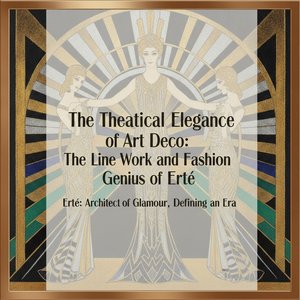
Discover the unparalleled elegance of Art Deco through the lens of Erté. Explore a masterclass in linear precision, theatrical costume design, and high-fashion illustration that continues to define modern luxury and sophisticated interior aesthetics.

Embark on a visual journey through the evolution of fashion photography. Discover how masters like Gianfranco Ferré blended geometry, surrealism, and texture to redefine high-fashion art for collectors and connoisseurs of luxury imagery.
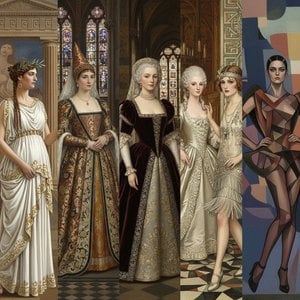
Explore the breathtaking intersection of fine art and high fashion. Discover how iconic masterpieces from Art Deco to Impressionism have shaped the world of luxury couture and timeless design in this curated visual journey.
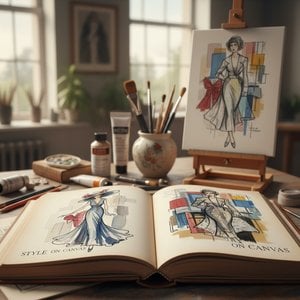
Discover the exquisite world of fashion illustration art. From Art Deco elegance to bespoke oil reproductions, explore how timeless sartorial beauty transforms luxury interiors through masterfully crafted canvas works and curated historical masterpieces.


 效果预览
效果预览
 分享
分享 分享
分享
 详情
详情 指南
指南

 下载
下载
 相似作品
相似作品 X射线
X射线 幻灯片播放
幻灯片播放 统计数据
统计数据 展开详情
展开详情









 玻璃选项仅适用于110厘米以下的尺寸。


