
 Acrylic On CanvasWallArtInternational Gothic Style
 1400
1400 64.0 x 64.0 cm
 卢浮宫
卢浮宫博物馆级艺术微喷或帆布版画,制作高效,并提供多种饰面选择。 ( 购买手绘画作 切换至数字图像销售渠道)





























从与原作比例一致的预设尺寸中进行选择。

您可以输入自定义尺寸,以适配特定的画框或空间。如果您选择的尺寸与原图比例不符,我们将对作品进行裁剪,或通过镜像填充/纯色填充边缘的方式来扩展图像。在开始制作之前,我们会向您发送一份数字效果图供您确认。
请注意,屏幕上的预览并不能反映实际的裁剪或扩展效果。只有效果图才能准确展示最终的构图。
虽然我们提供定制尺寸,但为了保持原图比例,我们建议您从预设列表中选择尺寸。

Large Round Pietà
复制品尺寸
Jean Malouel (c. 1375 – 1415) stands as a pivotal figure in the artistic landscape of late medieval Europe, specifically within the burgeoning cultural dynamism of the Burgundian court. Born in Nijmegen, then part of Guelders, his life coincided with an era marked by ambitious royal patronage and a gradual shift away from the austere traditions of Gothic art towards the nascent influences of Renaissance aesthetics—a transition he skillfully navigated, establishing Dijon as a beacon of artistic innovation.
Malouel’s artistic output is predominantly characterized by the International Gothic style, a stylistic movement that emerged in France and Flanders around 1390-1425. Unlike its predecessor, Gothic art, which emphasized verticality and spiritual solemnity, the International Gothic embraced horizontal lines and delicate ornamentation—reflecting a growing humanist sensibility. This style blended elements of Byzantine iconography with Northern European artistic conventions, resulting in images imbued with both grandeur and exquisite detail.
The *Large Round Pietà*, created circa 1400, exemplifies this stylistic fusion perfectly. It’s not merely a depiction of religious imagery; it's an embodiment of the intellectual and aesthetic currents shaping the period.
Executed on wood panel, the Pietà showcases Malouel’s meticulous technique—a hallmark of his oeuvre. He employed tempera paint mixed with oil, allowing for subtle gradations of color and achieving remarkable luminosity. The artist's attention to anatomical accuracy is evident in the depiction of Christ’s body, while simultaneously conveying profound emotional depth through expressive gestures and facial expressions.
Currently housed in the Louvre Museum in Paris, the *Large Round Pietà* continues to captivate viewers with its timeless beauty and emotional resonance. It serves as a poignant reminder of Malouel’s contribution to artistic history—a testament to his ability to synthesize tradition and innovation, cementing his place among the foremost artists of the Burgundian Renaissance.


Explore the exquisite elegance of Late Gothic art. Discover how masters like Carlo Crivelli and Stefan Lochner blended intricate detail and religious devotion to bridge the Middle Ages and the Renaissance in this expert art history guide for true connoisseurs.
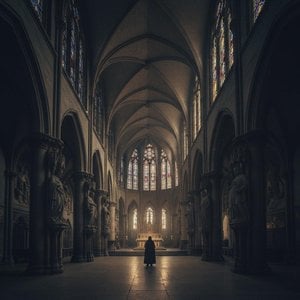
Embark on a journey through the dramatic era of Gothic art. Discover the profound beauty of illuminated manuscripts, sacred gold leaf masterpieces, and the transition to naturalism in this expert-led exploration of medieval artistry and historical grandeur.
Explore the exquisite elegance of International Gothic art. Discover the mastery of illuminated manuscripts, the brilliance of gold leaf, and the legacy of the Limbourg Brothers in this expert guide to Europe's sophisticated medieval dawn.


 效果预览
效果预览
 分享
分享 分享
分享
 详情
详情

 下载
下载
 相似作品
相似作品 X射线
X射线 幻灯片播放
幻灯片播放 统计数据
统计数据 展开详情
展开详情









 玻璃选项仅适用于110厘米以下的尺寸。


