
博物馆级艺术微喷或帆布版画,制作高效,并提供多种饰面选择。 ( 购买手绘画作 切换至数字图像销售渠道)





























从与原作比例一致的预设尺寸中进行选择。

您可以输入自定义尺寸,以适配特定的画框或空间。如果您选择的尺寸与原图比例不符,我们将对作品进行裁剪,或通过镜像填充/纯色填充边缘的方式来扩展图像。在开始制作之前,我们会向您发送一份数字效果图供您确认。
请注意,屏幕上的预览并不能反映实际的裁剪或扩展效果。只有效果图才能准确展示最终的构图。
虽然我们提供定制尺寸,但为了保持原图比例,我们建议您从预设列表中选择尺寸。

Scène de grève
复制品尺寸
In the hauntingly evocative Scène de Grève, completed in 1897, Jean Louis Forain invites the viewer into a realm where the boundaries between social reality and emotional expressionism blur. This is not merely a painting; it is a visceral testament to human suffering and the heavy toll of upheaval. At first glance, the canvas presents a landscape of profound devastation, yet as one lingers before its textured surface, a deeper, more complex narrative begins to unfold. Forain, a master who transitioned from the sharp wit of a Parisian caricaturist to the profound depths of Impressionism and Social Realism, utilizes this piece to capture a moment of overwhelming loss that feels both historically grounded and timelessly tragic.
The composition is a masterclass in controlled chaos. Forain employs a deliberately flattened perspective, a technique that strips away the comfort of depth and replaces it with an inescapable sense of claustrophness. The viewer’s eye is immediately drawn to a solitary figure positioned centrally in the foreground—a sentinel of sorrow dressed in dark, somber tones. This individual appears to be engaged in a grim task, perhaps using a surveying tool to assess the wreckage of what has been lost. Behind this lone observer, the background erupts into a sprawling, amorphous mass of bodies, creating a stark contrast between individual isolation and the collective tragedy of the crowd. The horizontal, gestural lines that dominate the scene mirror the relentless, crushing weight of destruction, pulling the viewer into the very heart of the gloom.
To behold Scène de Grève is to experience the raw power of oil on canvas. Forain’s technique is characterized by an intense use of impasto, where paint is applied in thick, palpable layers that lend a three-dimensional urgency to the subject matter. The visible, energetic brushstrokes do not merely depict form; they convey the very agitation and grief inherent in the scene. This tactile quality allows light to catch the ridges of the pigment, creating subtle variations in shadow that deepen the atmospheric dread. The color palette is intentionally restrained, relying on a somber arrangement of browns, grays, and ochres. These muted tones work in harmony to reinforce the pervasive sense of decay and the bleakness of an era marked by industrial struggle and social unrest.
Beyond the physical application of paint, the symbolism within the work speaks to the intersection of humanity and industry. The distant, looming factory chimneys serve as a grim reminder of the industrial age's potential for both progress and devastation. For collectors and enthusiasts of fine art, this piece offers more than just aesthetic beauty; it provides a profound meditation on resilience amidst ruin. The way the light is diffused and unevenly cast across the fallen figures heightens the sense of an uncertain future, making the artwork a powerful centerpiece for any collection that values emotional depth and historical gravity. For interior designers, such a piece serves as a sophisticated anchor in a room, demanding contemplation and providing a window into the soul of late 19th-century French expression.


1852 - 1931 , 法国

Explore the captivating world of Jean-Louis Forain, a master Impressionist chronicler of Belle Époque Paris. Discover his satirical paintings, realistic scenes & lasting legacy. Learn about collecting Forain's art today!

Explore 10 defining masterpieces of Romantic Realism! Discover Courbet, Millet & Daumier's powerful paintings—capturing emotion and social realities. Find museum-quality reproductions for your home at WahooArt.com.

Explore the rich history & techniques of oil painting – from Renaissance masters to Impressionism. Discover pigments, layering methods, and why this timeless medium endures. Expert insights for artists & art enthusiasts.
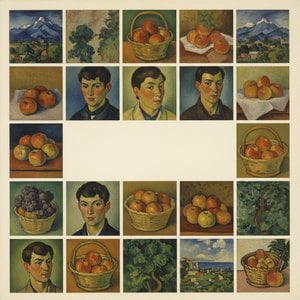
探索保罗·塞尚25幅经典杰作!深入了解后印象派大师的艺术生涯、独特技法与色彩运用。WahooArt提供高清油画复制品,为您的家居带来博物馆级艺术体验。立即发现更多名画,点亮生活空间!

Discover the enchanting alchemy of Impressionism. Explore how the mastery of oil on canvas, through glazing and impasto, captures eternal light and emotion. Perfect for lovers of Monet and Van Gogh seeking the profound depth of hand-painted fine art.


 效果预览
效果预览
 分享
分享 分享
分享
 详情
详情

 下载
下载
 相似作品
相似作品 X射线
X射线 幻灯片播放
幻灯片播放 统计数据
统计数据


 展开详情
展开详情









 玻璃选项仅适用于110厘米以下的尺寸。


