
 Black and White PhotographyPhotoPost-Impressionism
 1913Modern
 8.0 x 8.0 cm
 吉维尼印象主义博物馆
由我们的艺术家按需定制,为您提供您所选尺寸及画框的布面手工油画。 ( 切换至版画销售渠道 切换至数字图像销售渠道)
您可以从与原作比例一致的预设尺寸中进行选择。

您可以输入自定义尺寸,以适配特定的画框或空间。如果所选尺寸与原图比例不符,我们将通过裁剪作品或添加手绘元素来扩展画面。数字样稿将在制作开始前发送给您确认。
请注意,屏幕预览无法准确反映实际的裁剪或扩展效果,只有样稿才能真实呈现最终的构图。
虽然我们提供定制尺寸服务,但为了保留原作比例,建议您从预设列表中选择尺寸。

At
复刻品尺寸说明
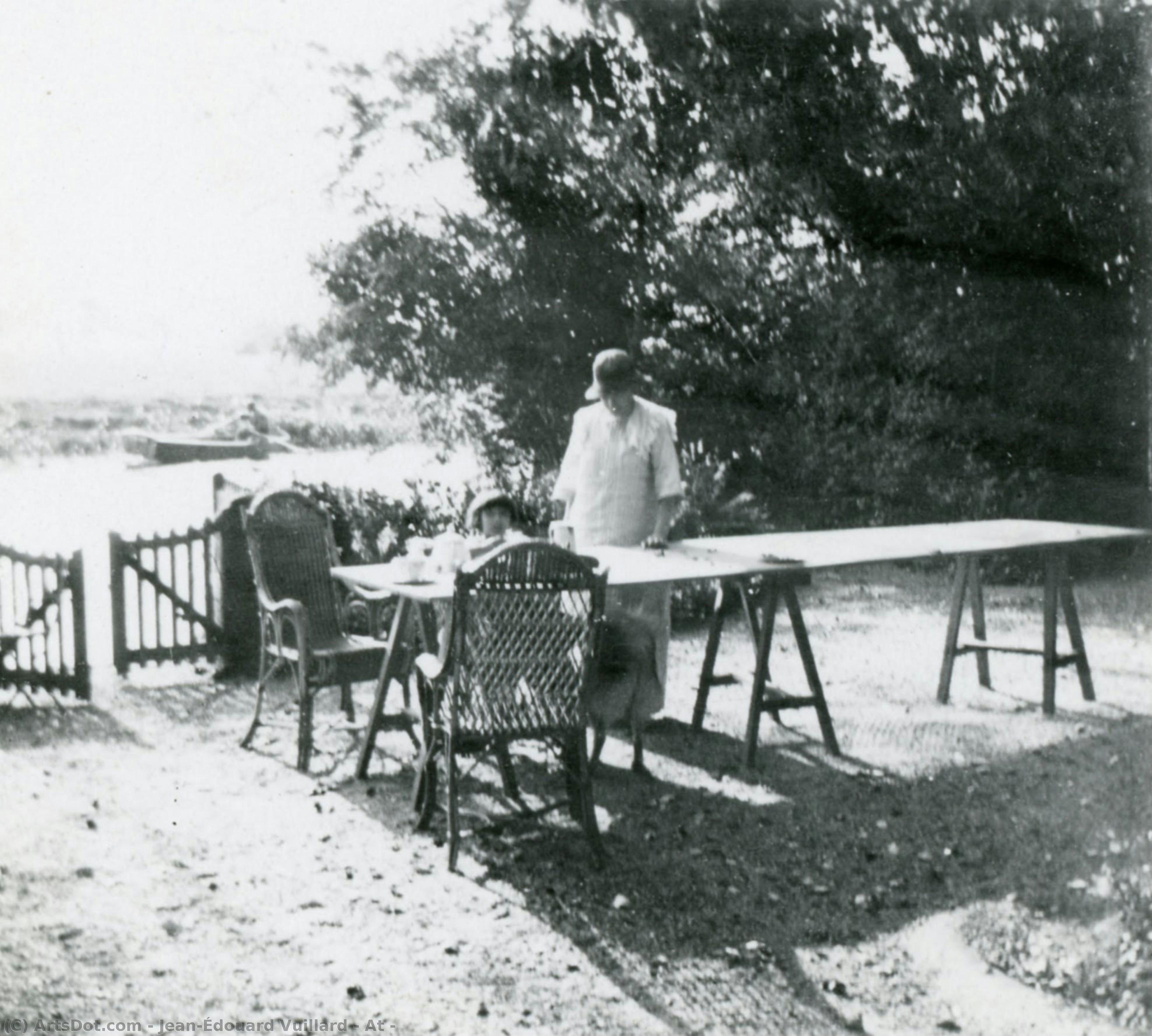
In the delicate tapestry of early 20th-century art, few works capture the ephemeral essence of a passing second as poignantly as Jean Vuillard’s 1913 masterpiece, “At.” This evocative scene serves as much more than a mere depiction of an outdoor gathering; it is a profound distillation of Impressionistic ideals filtered through the intimate, decorative lens of the Nabis movement. To gaze upon this work is to step into a world where time slows down, inviting the viewer to inhabit a space of quiet contemplation and subtle emotional resonance. The composition centers around a solitary figure seated at a table beneath an overcast sky, surrounded by the silent presence of empty chairs that suggest both companionship and the lingering traces of a shared moment.
The atmosphere is one of profound serenity, established through a masterful use of landscape and setting. Lush foliage frames the scene, hinting at a lakeside or coastal retreat where the air is still and the world feels momentarily paused. This deliberate choice of environment echoes the tranquil, pastoral landscapes favored by Vuillard’s contemporaries, yet he imbues it with a unique, psychological depth. There is a sense of domesticity brought into the wild, an intimate pocket of human existence carved out from the vastness of nature, making the piece particularly captivating for those who seek art that offers a sanctuary of peace within the home.
Vuillard’s technical prowess is on full display through his signature approach to form and surface. Influenced heavily by the flattened perspectives of Japanese woodblock prints, the artist eschews traditional academic realism in favor of a more modern, sensory experience. He utilizes flattened planes of color and loose, rhythmic brushstrokes to build a sense of texture and movement. While the historical photograph of this work presents a monochrome view, the original artistic vision is rooted in the Nabis' revolutionary use of color to convey feeling rather than mere fact.
The composition is a sophisticated dance of lines and shapes. Strong horizontal planes, established by the table’s surface and the distant horizon, provide a grounding stability to the piece, while vertical elements like the chairs and trees create a rhythmic structure. These geometric foundations are softened by the organic, flowing shapes of the foliage and the human figures, creating a balanced tension between order and nature. For the discerning collector or interior designer, this interplay of structure and softness makes the artwork an incredibly versatile element, capable of anchoring a room with its classical weight while adding a layer of organic grace.
Created during a period of immense artistic upheaval in Europe, “At” stands as a pivotal contribution to the development of modern art. It reflects the burgeoning interest in abstraction and the rejection of rigid representational styles that defined the early 1900s. As a prominent member of Les Nabis, Vuillard helped bridge the gap between the fleeting light of Impressionism and the structured symbolism of the coming decades. His ability to transform an ordinary, everyday moment into something deeply symbolic—where a seated man might represent focused introspection or the quietude of the soul—is what gives this work its enduring power.
For those looking to bring a piece of art history into their personal spaces, a high-quality reproduction of “At” offers more than just aesthetic beauty; it offers an emotional connection to a bygone era. The painting evokes a sense of nostalgia and a longing for the stillness that is so often lost in our modern, frenetic lives. It is a piece designed for deep looking, rewarding the viewer with new layers of meaning and texture upon every encounter, making it an exquisite choice for any curated collection or thoughtfully designed interior.

让-爱德华·维亚尔,这位法国画家、装饰艺术家和版画大师,于1868年11月11日出生在法国的屈索(Cuiseaux)。他的一生将与先锋艺术团体“纳比派”紧密相连,与莫里斯·丹尼斯和爱德华·维亚尔等富有远见卓识的艺术家并肩同行。这个群体以其对色彩和形式的创新方法彻底改变了艺术界。
作为“纳比派”的核心成员,维亚尔的绘画作品汇集了纯粹的色彩区域,深受日本版画的影响。他的室内场景探索了平面化色彩、图案和形式的空间效果。这种手法后来对立体主义、野兽派和抽象艺术的发展产生了深远影响。“纳比派”,一个活跃于巴黎的年轻法国艺术家团体,在1888年至1900年间为从印象派和学院派艺术向抽象艺术、象征主义以及其他早期现代主义运动过渡发挥了重要作用。他们的哲学建立在实证主义的基础之上,并深受奥古斯特·孔德和伊波利特·泰纳的著作影响。
维亚尔的作品并非一成不变,而是在不断地探索与发展。早期的作品充满了对光线和色彩的细腻捕捉,营造出一种亲密、内敛的氛围。他擅长运用柔和的色调和微妙的笔触,描绘日常生活的场景,展现了独特的“亲密主义”风格。在1900年纳比派解散后,维亚尔逐渐转向更为现实主义的风格,以更精细的细节和鲜艳的色彩来描绘风景和室内空间。他开始关注人物肖像,特别是法国工业界和艺术界的杰出人士,并将他们置于熟悉的背景环境中进行创作。
维亚尔的作品遍布世界各地的博物馆,其中法国革命博物馆收藏了丰富的艺术品、文献和与革命时期相关的物品。他的代表作包括纪йом·莱蒂埃的《祖国在危险之中》和让·克鲁埃的《让·德拉巴尔》,后者描绘了一位因异端而被判处死刑的年轻男子。维亚尔后期的肖像作品,例如那些法国工业界和艺术界人士的画像,可以在各种画廊中欣赏到,包括WahooArt.com上的“亲密主义艺术运动”页面以及WahooArt.com上关于让-爱德华·维亚尔的个人主页。
让-爱德华·维亚尔是一位具有远见卓识的现代主义先驱,他的作品以其创新的色彩运用和形式探索给艺术界留下了不可磨灭的印记。他不仅是纳比派运动的重要代表人物,也对立体主义、野兽派等后来的艺术流派产生了深远的影响。维亚尔的作品充满了诗意和象征意义,引发了人们对艺术本质和视觉体验的深刻思考。他的艺术遗产将继续激励着一代又一代艺术家,并为我们理解现代艺术的发展提供宝贵的启示。
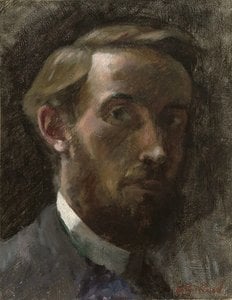
1868 - 1940 , 法国

Master the nuances of Impressionism vs. Post-Impressionism with our expert guide. Explore the revolutionary shift from Monet’s fleeting light to Van Gogh’s emotional depth. Discover how these iconic movements continue to inspire fine art collectors and modern interiors today.

 发送
发送 分享
分享
 详情
详情 指南
指南

 下载图片
下载图片
 相似作品
相似作品 幻灯片播放
幻灯片播放 统计数据
统计数据 阅读全文
阅读全文






































 玻璃选项仅适用于110厘米以下的尺寸。


