
 Acrylic On CanvasWallArtFlemish Renaissance
 1508
1508 102.0 x 61.0 cm
 大都会艺术博物馆
由我们的艺术家按需定制,为您提供您所选尺寸及画框的布面手工油画。 ( 切换至版画销售渠道 切换至数字图像销售渠道)





























从与原作比例一致的预设尺寸中进行选择。

您可以输入自定义尺寸,以适配特定的画框或空间。如果所选尺寸与原图比例不符,我们将通过裁剪作品或添加手绘元素来扩展画面。数字样稿将在制作开始前发送给您确认。
请注意,屏幕预览无法准确反映实际的裁剪或扩展效果,只有样稿才能真实呈现最终的构图。
虽然我们提供定制尺寸服务,但为了保留原作比例,建议您从预设列表中选择尺寸。

The Le Cellier Triptych
复制品尺寸
Jean Bellegambe’s “The Le Cellier Triptych,” painted in 1508, is more than just a religious artwork; it's a meticulously crafted window into the heart of fifteenth-century Flanders. Created during a period of burgeoning artistic innovation and deeply rooted faith, this triptych offers a captivating glimpse into the daily life, piety, and architectural grandeur of Douai – a city that served as Bellegambe’s lifelong home. The work, now housed in the Art Institute of Chicago, immediately draws the eye with its luminous palette and remarkably detailed depiction of a Cistercian celler, a space imbued with both practical utility and spiritual significance.
Bellegambe's genius lies not merely in his technical skill – though that is undeniably impressive – but in his ability to imbue a seemingly mundane setting with profound emotional resonance. The triptych’s exterior panels depict the Cistercian abbey of Flines-lez-Raches, complete with its porterie (entrance hall), chevet (chapel), and transept. These architectural elements aren't simply rendered; they are presented as a testament to monastic order and devotion, reflecting the Abbot’s desire for his daughter to be buried within this sacred space. The grisaille technique – using monochrome pigments to create realistic depictions of stone and architecture – is masterfully executed, lending an almost tangible quality to the scene.
The central panel reveals a profoundly moving tableau: Mary holding the infant Jesus, surrounded by figures representing the Abbot, his family, and members of the monastic community. This isn’t a grand, idealized depiction of the Virgin; rather, it's a scene of intimate piety – a mother’s unwavering faith reflected in her son’s presence. The Abbot, identified as Saint Bernard, stands alongside his sister, Humbeline (disguised as Saint Bernard), embodying the familial and spiritual bonds that underpinned monastic life. The figures are rendered with remarkable sensitivity, each conveying a distinct emotion—prayerful contemplation, maternal love, and humble reverence.
Symbolism permeates every aspect of the composition. The celler itself represents a space of refuge and contemplation, mirroring the spiritual journey undertaken by those within the monastery. Mary’s posture and gaze suggest a deep connection to God, while the surrounding figures demonstrate their devotion through prayer and acts of charity. The inclusion of the Abbot's family highlights the importance of faith within the domestic sphere – a powerful message for a society deeply influenced by religious values.
Bellegambe’s mastery is evident in his use of tempera on wood, a technique that allowed for vibrant colors and intricate detail. His application of color is particularly noteworthy; he employed a ‘lost-and-found’ method, layering translucent glazes to achieve an astonishing level of luminosity and depth. This approach, characteristic of Flemish painting at the time, created a shimmering effect that brought the figures and architectural elements to life. The artist's ability to capture light and shadow is exceptional, contributing significantly to the work’s overall sense of realism and emotional impact.
Furthermore, Bellegambe’s “Le Cellier Triptych” stands as a significant example of Flemish artistic innovation during the early 16th century. It demonstrates a sophisticated understanding of perspective, composition, and human anatomy – qualities that would become hallmarks of the Northern Renaissance style. The triptych's meticulous detail and emotional depth continue to captivate viewers centuries after its creation, solidifying Bellegambe’s legacy as one of Flanders’ most accomplished artists.
“The Le Cellier Triptych” is more than just a beautiful painting; it's a poignant meditation on faith, family, and the enduring power of devotion. Its intricate details, luminous colors, and profound symbolism offer a unique window into the spiritual life of fifteenth-century Flanders. Reproductions of this masterpiece capture its essence beautifully, allowing art lovers to appreciate Bellegambe’s genius and the timeless message conveyed within its panels.


1470 - 1534 , France

Embark on a journey through the exquisite precision of Flemish Art. Discover the pioneering oil techniques, profound symbolism, and luminous realism that define the Northern Renaissance masters in this expert guide for art enthusiasts.
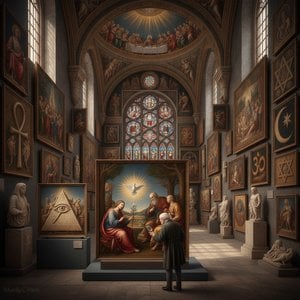
Explore the profound power of religious symbolism in art history. From Renaissance masterpieces to sacred iconography, uncover the hidden meanings behind divine details in a deep dive into classical art excellence.

Explore the dramatic brilliance of the Flemish Baroque movement. Discover how masters like Peter Paul Rubens utilized chiaroscuro and dynamic composition to redefine art history through light, shadow, and unparalleled emotion.

Explore the exquisite precision of Flemish painting. From Jan van Eyck to Robert Campin, discover the revolutionary oil techniques and rich symbolism that defined the Northern Renaissance and continue to inspire fine art collectors today.


 效果预览
效果预览
 分享
分享 分享
分享
 详情
详情

 下载
下载
 相似作品
相似作品 X射线
X射线 幻灯片播放
幻灯片播放 统计数据
统计数据 展开详情
展开详情









 玻璃选项仅适用于110厘米以下的尺寸。


