
博物馆级艺术微喷或帆布版画,制作高效,并提供多种饰面选择。 ( 购买手绘画作 切换至数字图像销售渠道)





























从与原作比例一致的预设尺寸中进行选择。

您可以输入自定义尺寸,以适配特定的画框或空间。如果您选择的尺寸与原图比例不符,我们将对作品进行裁剪,或通过镜像填充/纯色填充边缘的方式来扩展图像。在开始制作之前,我们会向您发送一份数字效果图供您确认。
请注意,屏幕上的预览并不能反映实际的裁剪或扩展效果。只有效果图才能准确展示最终的构图。
虽然我们提供定制尺寸,但为了保持原图比例,我们建议您从预设列表中选择尺寸。

Flowers
复制品尺寸
In the grand tapestry of the Baroque era, few artists captured the ephemeral splendor of nature with as much grace and precision as Jean Baptiste Monnoyer. His masterpiece, “Flowers,” serves as a breathtaking window into the opulent aesthetic of Louis XIV’s reign, a period where art was designed to reflect the divine right of kings through unparalleled grandeur. This painting is far more than a mere botanical study; it is a carefully orchestrated symphony of color and light. Monnoyer invites the viewer into a lush, sensory experience where the velvety texture of a crimson rose meets the pristine, delicate purity of a lily. Through his masterful use of chiaroscuro, he manipulates deep, dramatic shadows to push the vibrant blooms forward, creating a three-dimensional vitality that seems to pulse with life even centuries after the final brushstroke was laid.
The composition is a masterclass in Baroque balance, centered around a bountiful arrangement of blossoms nestled within a woven basket. Monnoyer’s technique, rooted in the rigorous traditions of the Flemish masters and refined in the royal ateliers of Paris, allows for an almost scientific level of detail. One can trace the subtle veins in a sunflower petal and the dewy sheen upon a leaf with startling clarity. Yet, amidst this meticulous realism, there is a profound sense of movement. The inclusion of a small bird perched quietly among the branches introduces a narrative element of life and spontaneity, breaking the stillness of the floral arrangement. This interplay between the permanent beauty of the art and the fleeting nature of the subject matter creates a captivating tension that has long enchanted collectors and connoisseur alike.
Beyond its surface brilliance, “Flowers” carries a deep symbolic resonance characteristic of 17th-century still life. While the vibrant bouquet celebrates the peak of vitality, Monnoyer subtly weaves in themes of vanitas—the contemplation of mortality and the passage of time. In the foreground, the presence of two peaches, partially eaten and showing the first signs of decay, serves as a poignant memento mori. The contrast between the fresh, ascending glory of the flowers and the bruised, ripening fruit creates a powerful emotional dialogue about the cyclical nature of existence. For the modern interior designer or art lover, this duality offers a sophisticated depth; the painting provides a burst of life-affirming color while maintaining an intellectual gravity that commands respect in any curated space.
For those seeking to bring a touch of historical elegance into a contemporary setting, a high-quality reproduction of this work offers an unparalleled opportunity. The painting’s rich palette of deep ochres, brilliant crimsons, and verdant greens possesses a transformative power, capable of anchoring a room with a sense of timeless luxury. Whether placed in a sunlit morning room or a moody, sophisticated study, Monnoyer’s “Flowers” acts as a focal point of conversation, evoking the splendor of the Château de Marly and the refined tastes of the French aristocracy. It is an investment in atmosphere, bringing the enduring legacy of Baroque mastery into the heart of the modern home.


1636 - 1699 , 法国

Step into the elegance of the Baroque era with our curated guide to Sir Anthony van Dyck's top 25 masterpieces. Explore royal portraits and Flemish brilliance through museum-quality art reproductions and timeless decor inspiration. Discover all masterpieces on WahooArt.com.

Step into the drama of the Baroque era. Explore 10 iconic masterpieces, from Caravaggio’s chiaroscuro to Bernini’s grandeur. Discover the stories behind these timeless works and find museum-quality art reproductions for your decor. Explore the full collection on WahooArt.com.

Experience the ethereal beauty of light and texture in our curated guide to 10 iconic paintings dominated by white tones. From Impressionist masterpieces to minimalist modern art, explore the stories behind these luminous works. Find museum-quality reproductions at WahooArt.com.
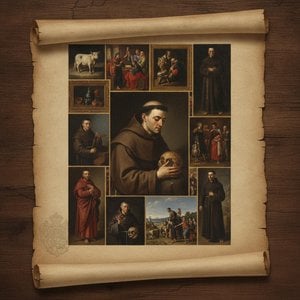
Immerse yourself in the dramatic world of Francisco de Zurbarán. Explore 25 iconic Spanish Baroque masterpieces defined by intense tenebrism and spiritual realism. Find inspiration for museum-quality art reproductions and decor. Discover all masterpieces on WahooArt.com.


 效果预览
效果预览
 分享
分享 分享
分享
 详情
详情

 下载
下载
 相似作品
相似作品 X射线
X射线 幻灯片播放
幻灯片播放 统计数据
统计数据


 展开详情
展开详情









 玻璃选项仅适用于110厘米以下的尺寸。


