
 Oil On CanvasWallArtRomanticism
 1790Early Modern
 63.0 x 53.0 cm
 威廉斯收藏馆
由我们的艺术家按需定制,为您提供您所选尺寸及画框的布面手工油画。 ( 切换至版画销售渠道 切换至数字图像销售渠道)





























从与原作比例一致的预设尺寸中进行选择。

您可以输入自定义尺寸,以适配特定的画框或空间。如果所选尺寸与原图比例不符,我们将通过裁剪作品或添加手绘元素来扩展画面。数字样稿将在制作开始前发送给您确认。
请注意,屏幕预览无法准确反映实际的裁剪或扩展效果,只有样稿才能真实呈现最终的构图。
虽然我们提供定制尺寸服务,但为了保留原作比例,建议您从预设列表中选择尺寸。

Innocence
复制品尺寸
In the quiet, luminous realm of Jean-Baptiste Greuze’s “Innocence,” the viewer is invited into a moment of profound stillness that transcends the boundaries of time. Completed around 1793, this captivating portrait serves as a poignant emblem of the late eighteenth-s-century preoccupation with emotion and moral instruction. At its heart, the composition presents a young woman cradling a small, white lamb—an image of such profound simplicity and idealized beauty that it remains instantly recognizable to the modern eye. The painting does not merely depict a subject; it captures an atmosphere of vulnerability and grace, where the soft textures of the lamb’s wool and the gentle features of the woman merge to create a sanctuary of peace amidst the historical turbulence of the French Revolution.
The artistry behind this masterpiece lies in Greuze’s masterful ability to blend the decorative elegance of the Rococo style with an emerging Neoclassical sensitivity. While the palette is characterized by delicate pastel hues and graceful, flowing lines, there is a structural depth achieved through a meticulous use of chiaroscuro. By skillfully manipulating the interplay between light and shadow, Greuze sculpts the woman’s figure, allowing a soft, ethereal luminosity to radiate from her skin and illuminate the lamb in her arms. His technique, involving subtle glazing and incredibly fine brushstrokes, lends the work an almost otherworldly glow, making it an ideal centerpiece for those seeking to introduce a sense of calm, classical sophistication into a curated interior space.
Beyond its aesthetic allure, “Innocence” is deeply embedded in the Sentimental movement that swept through Europe during Greuze’s era. Every element within the frame is heavy with symbolic meaning, designed to evoke a sense of compassion and moral virtue. The lamb, a universal symbol of purity, gentleness, and sacrificial innocence, acts as a mirror to the young woman’s own character. Her tender embrace of the creature suggests a maternal devotion and a soul untouched by the cynicism of the world. This thematic focus on piety and goodness was a deliberate choice by Greuze, who sought to elevate everyday scenes into profound moral lessons, moving away from the grand, often detached mythological narratives favored by his contemporaries.
For the discerning collector or interior designer, this painting offers more than just visual beauty; it provides an emotional anchor. The subtle inclusion of a pink ribbon in her hair adds a touch of refined elegance, while the overall composition—focused on intimacy and closeness—creates a sense of warmth that can transform the ambiance of any room. Whether placed in a sunlit gallery or a quiet study, a high-quality reproduction of this work brings with it the enduring legacy of French genre painting, inviting all who gaze upon it to rediscover the beauty found in life's most tender and unpretentious moments.


1725 - 1805

Discover the breathtaking elegance of Rococo portraiture. Explore an expert guide to 18th-century mastery, from pastel palettes to aristocratic grandeur, and learn how to bring this era of opulence into your home through museum-quality oil reproductions.

Explore the ethereal beauty of pastel art. Discover how Impressionist masters used soft hues and velvety textures to capture light. A professional guide for art enthusiasts seeking to understand, collect, and appreciate the delicate magic of this timeless medium.

Immerse yourself in the splendor of Rococo art. Discover the era of elegance through masterworks by Watteau and Fragonard. Explore themes of romance, aristocratic leisure, and gilded ornamentation in this definitive guide to 18th-century French opulence.
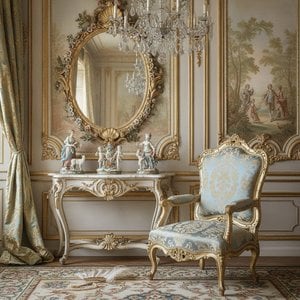
Discover the exquisite allure of Rococo art. Explore a curated guide to 18th-century French masterpieces, from Watteau to Fragonard, and learn how hand-painted oil reproductions can bring timeless elegance and luxury to your sophisticated interior design collection.


 效果预览
效果预览
 分享
分享 分享
分享
 详情
详情 指南
指南

 下载
下载
 相似作品
相似作品 X射线
X射线 幻灯片播放
幻灯片播放 统计数据
统计数据 展开详情
展开详情









 玻璃选项仅适用于110厘米以下的尺寸。


