
博物馆级艺术微喷或帆布版画,制作高效,并提供多种饰面选择。 ( 购买手绘画作 切换至数字图像销售渠道)





























从与原作比例一致的预设尺寸中进行选择。

您可以输入自定义尺寸,以适配特定的画框或空间。如果您选择的尺寸与原图比例不符,我们将对作品进行裁剪,或通过镜像填充/纯色填充边缘的方式来扩展图像。在开始制作之前,我们会向您发送一份数字效果图供您确认。
请注意,屏幕上的预览并不能反映实际的裁剪或扩展效果。只有效果图才能准确展示最终的构图。
虽然我们提供定制尺寸,但为了保持原图比例,我们建议您从预设列表中选择尺寸。

A Rising Path
复制品尺寸
Jean-Baptiste-Camille Corot’s “A Rising Path” is more than just a depiction of a rural landscape; it's an immersion into the very soul of 19th-century French painting. Completed in 1845, this work embodies Corot’s profound dedication to capturing fleeting moments of natural beauty – a philosophy that would profoundly influence generations of artists to come. The scene unfolds with a quiet dignity: rolling hills draped in verdant hues, punctuated by the warm ochre of a sandy path leading the eye into the distance, and a sky painted with the softest blues and whites. It’s a landscape imbued with a sense of tranquility, inviting contemplation and a deep connection to the natural world.
Corot's mastery lies in his masterful application of technique. The painting is built upon layers of oil paint, meticulously applied with short, broken brushstrokes – a hallmark of the Impressionist movement, though predating its formal emergence. These strokes aren’t blended to create smooth transitions; instead, they retain their individual character, resulting in a rich, textured surface that seems to vibrate with light. Notice how the artist has used thick impasto in areas like the sandy path and the darker foreground, creating a tactile quality that draws you into the scene. The loose brushwork isn’t haphazard; it's deliberately employed to capture the ephemeral qualities of light – the way it dances across the hillsides, the subtle shifts in color as shadows lengthen, and the hazy atmosphere characteristic of rural landscapes. This technique wasn’t simply about representation; it was about conveying an *experience* of being present within that landscape.
“A Rising Path” emerged during a pivotal moment in art history. Prior to the mid-19th century, most landscape painters worked from studio studies, meticulously copying classical models or relying on sketches made *en plein air* (outdoors). Corot, however, championed the idea of directly observing and painting nature – a revolutionary concept at the time. He was part of a movement that sought to break away from academic conventions and embrace a more subjective approach to art. His work, alongside those of artists like Théodore Rousseau and François Millet, helped establish the foundation for Impressionism, paving the way for artists like Monet and Renoir to explore light and color in unprecedented ways. The painting’s date – 1845 – places it squarely within this period of artistic experimentation and a growing appreciation for the beauty of the natural world.
Beyond its technical brilliance, “A Rising Path” possesses a subtle symbolic depth. The prominent sandy path isn’t merely a compositional element; it represents a journey – both literal and metaphorical. It invites the viewer to contemplate their own place within the landscape, suggesting themes of exploration, discovery, and perhaps even spiritual seeking. The gentle slope of the path leads the eye upwards, symbolizing aspiration and progress. The overall composition evokes a sense of peace and serenity, reinforcing the timeless appeal of Corot’s landscapes – scenes that resonate with our innate desire for connection to nature and a quiet escape from the complexities of modern life.
Reproductions of “A Rising Path” offer an exceptional opportunity to bring this iconic work into your home or office. High-quality hand-painted reproductions meticulously recreate Corot’s technique and color palette, ensuring that you experience the full emotional impact of the original. These reproductions are not simply prints; they are works of art in their own right, capturing the essence of Corot's vision and offering a lasting tribute to one of France’s greatest landscape painters.


1796 - 1875 , 法国

Explore the ethereal beauty of Impressionist landscapes. Discover how masters like Monet captured fleeting light through color and texture, and learn to curate these timeless, luminous masterpieces for your home collection.

Elevate your personal landscapes into breathtaking Impressionist oil masterpieces. WahooArt transforms your cherished photos into museum-quality, hand-painted treasures through academic artistry and premium craftsmanship. Invest in a timeless legacy for your home today.
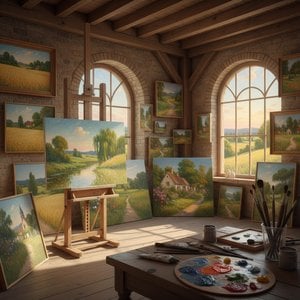
Discover the profound tranquility of rural art through an expert exploration of Impressionist landscapes. From pastoral scenes to textured oil masterpieces, learn how timeless nature-inspired artworks bring enduring elegance and serenity to sophisticated collectors.

Discover the profound serenity of timeless pastoral landscapes. From Impressionist masterpieces to bespoke oil commissions, explore how curated fine art brings the enduring beauty and tranquility of nature into your luxury home interior.

Explore the profound beauty of village scene art. From Impressionist light to pastoral realism, discover how timeless landscapes capture nostalgia through expert artistry and historical depth. Perfect for collectors seeking evocative, museum-quality landscape inspirations.


 效果预览
效果预览
 分享
分享 分享
分享
 详情
详情

 下载
下载
 相似作品
相似作品 X射线
X射线 幻灯片播放
幻灯片播放 统计数据
统计数据

 展开详情
展开详情









 玻璃选项仅适用于110厘米以下的尺寸。


