
博物馆级艺术微喷或帆布版画,制作高效,并提供多种饰面选择。 ( 订购此收藏品的纯手工复刻画作 切换至数字图像销售渠道)





























您可以从与原作比例一致的预设尺寸中进行选择。

您可以输入自定义尺寸,以适配特定的画框或空间。如果您选择的尺寸与原图比例不符,我们将对作品进行裁剪,或通过镜像填充/纯色填充边缘的方式来扩展图像。在开始制作之前,我们会向您发送一份数字效果图供您确认。
请注意,屏幕上的预览并不能反映实际的裁剪或扩展效果。只有效果图才能准确展示最终的构图。
虽然我们提供定制尺寸,但为了保持原图比例,我们建议您从预设列表中选择尺寸。

DEPLORATION
复刻品尺寸说明

In the vibrant and turbulent landscape of late 18th-century French art, few figures commanded as much respect for their technical precision and classical grace as Jean-Baptiste Baron Regnault. Born in 1754, Regnault emerged during an era defined by a profound longing for the ideals of antiquity. While history often casts a spotlight on his contemporary and rival, Jacques-Louis David, Regnault carved out a distinct and luminous space within the Neoclassical movement. His work was not merely a reaction to the excesses of the Rococo, but a deliberate, poetic pursuit of harmony, balance, and the eternal beauty found in mythological and historical narratives.
Regnault’s artistic journey was one of rigorous discipline and academic excellence. His mastery of the human form and his ability to imbue flesh with a soft, ethereal glow were products of intense study. He navigated the prestigious corridors of the French art world, earning accolades that solidified his status among the elite. This period of his life was marked by a deep engagement with the classical tradition, drawing inspiration from the sculptural perfection of ancient Greece and Rome. His training allowed him to move beyond simple imitation, enabling him to infuse his compositions with a sense of movement and emotional resonance that felt both timeless and immediate.
The true essence of Regnault’s genius lies in his ability to transform static mythological subjects into breathing, emotive dramas. He possessed a rare talent for capturing the tension between the divine and the mortal. In works such as La Mort d'Adonis, one can witness his profound command over the themes of mortality and beauty. The painting serves as a poignant study in tragedy, where the exquisite detail of the figures contrasts sharply with the heavy, somber atmosphere of loss. Regnault did not merely paint scenes; he staged emotional experiences, using light and shadow to guide the viewer through the psychological depths of his characters.
His repertoire was equally diverse, ranging from the intensely spiritual to the intellectually provocative. In The Descent from the Cross, Regnault utilizes a more dramatic, almost Baroque-inspired intensity to convey the profound grief and religious fervor of the scene. Here, the weight of the body and the visceral reality of the moment are rendered with a realism that commands reverence. Conversely, in works like Socrate Arrachant Alcibiade du Sein de la Volupté, he explores the intellectual struggles of the classical age. This piece showcases his ability to depict philosophical conflict through the interplay of light and shadow, illustrating the struggle between reason and temptation with masterful composition.
Regnault’s importance extends far beyond his individual canvases; he was a pivotal figure in the evolution of French academic painting. As a teacher and a prominent member of the artistic community, his influence rippled through the next generation of painters, including artists like Guérin and Lorimier. His style—characterized by a certain softness and a more lyrical approach to Neoclassicism compared to David’s starker, more rigid compositions—offered an alternative vision of classical beauty that appealed to a wide range of sensibilities.
To understand the breadth of his contribution, one might consider the following pillars of his career:
Though the tides of art history eventually shifted toward Romanticism and beyond, the works of Jean-Baptiste Regnault remain enduring testaments to an era of unparalleled elegance. His paintings continue to captivate modern audiences, offering a window into a world where the pursuit of perfection, the exploration of myth, and the celebration of human emotion were harmoniously intertwined.

1754 - 1829
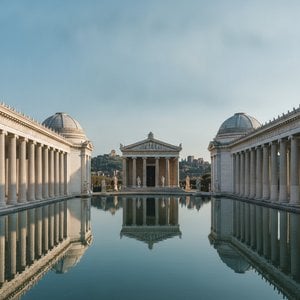
Discover the profound elegance of Neoclassicism. Explore how the pursuit of order, symmetry, and Greco-Roman ideals created a timeless aesthetic for collectors seeking grandeur and intellectual depth in fine art and architecture.

Explore the refined world of Neoclassical portraiture. Discover the mastery of line, light, and order through an expert exploration of academic art history, from Jacques-Louis David to Jean-Antoine Houdon. Immerse yourself in the timeless elegance of classical realism.

Explore the profound elegance of Neoclassical art. Discover the principles of order, symmetry, and virtue through the works of masters like David and Mengs. Immerse yourself in a journey of classical grace and timeless aesthetic perfection.

Discover the profound beauty of Academic Classicism. Explore the principles of order, anatomical precision, and the enduring legacy of Neoclassical masters through this expert guide to timeless elegance and technical perfection in fine art.


 实景预览
实景预览
 发送
发送 分享
分享
 详情
详情 指南
指南

 下载图片
下载图片
 相似作品
相似作品 X射线
X射线 幻灯片播放
幻灯片播放 统计数据
统计数据

 阅读全文
阅读全文









 玻璃选项仅适用于110厘米以下的尺寸。


