
博物馆级艺术微喷或帆布版画,制作高效,并提供多种饰面选择。 ( 订购此收藏品的纯手工复刻画作 切换至数字图像销售渠道)
您可以从与原作比例一致的预设尺寸中进行选择。

请输入您所需的宽度和高度,以适配您的画框或墙面。由于印刷品只能进行裁剪,无法超出原图尺寸,因此若比例不一致,画面的一部分将会被裁切。在正式印刷之前,我们会为您发送一份数字效果图供您确认。本页面显示的图片并非最终裁剪后的效果——只有效果图才能展示真实的裁剪情况。
Elements Under an Eclipse
复刻品尺寸说明
In the vibrant, sun-drenched streets of Barcelona at the turn of the twentieth century, a profound architectural transformation was taking place, driven by the spirit of Modernisme. At the heart of this movement stood Jaume Torres i Grau, an architect whose vision helped sculpt the very identity of the Catalan capital. Born in 1879, Torres i Grau emerged from a period of intense cultural awakening, bringing to his craft a unique ability to blend ornamental beauty with structural innovation. His life and work serve as a testament to an era when architecture was not merely about shelter, but about expressing the soul of a nation through stone, iron, and intricate design.
The early years of Torres i Grau’s career were defined by a masterful command of the Modernista style, characterized by organic forms and a deep reverence for craftsmanship. Working alongside his brother Raimon within the Sociedad Hermanos Torres, Jaume contributed to some of the most iconic residential ensembles in Barcelona. His hands shaped the elegant facades of the buildings on Aribau and París streets between 1905 and 1907, where the rhythmic interplay of light and shadow across decorative elements created a sense of movement within the urban fabric. These works were not isolated structures but part of a larger dialogue with the city, reflecting the burgeoning prosperity and artistic ambition of the Catalan bourgeoisie.
As the twentieth century progressed, the exuberant curves of Modernisme began to yield to new aesthetic currents. Torres i Grau demonstrated an extraordinary artistic plasticity, evolving his style in harmony with the shifting cultural tides of Spain. By the 1920s, his work underwent a significant metamorphosis, moving away from the floral excesses of his youth toward the more disciplined and monumental forms of Novecentismo. This period saw him embracing the grandeur of Baroque and Classicist influences, seeking a sense of order, permanence, and civic dignity.
This stylistic evolution is perhaps most brilliantly realized in his contribution to the Edificio de Correos y Telégrafos on Vía Layetana. In this monumental project, completed between 1926 and 1928, one can witness the architect's ability to command scale and authority. The transition from the whimsical to the classical allowed him to create spaces that felt both timeless and deeply rooted in the historical continuity of Europe. His later works were characterized by a sophisticated restraint, where the beauty lay in the precision of proportion and the strength of the architectural silhouette.
The enduring significance of Jaume Torres i Grau lies in his ability to have captured two distinct eras of Spanish history through the medium of built space. He was a bridge between the romantic, organic dreamscapes of the late 19th century and the structured, rationalist aspirations of the early 20th century. His architectural legacy remains etched into the very bones of Barcelona, visible in landmarks such as:
Though he passed away in 1945, the spirit of Torres i Grau continues to resonate through the streets he helped define. To walk through Barcelona is to engage in a silent conversation with his vision—a vision that transformed a growing metropolis into a living gallery of stone and light. His work remains an essential chapter in the story of Catalan identity, reminding us that architecture is the most permanent form of poetry.
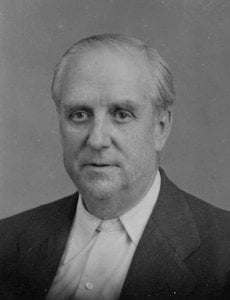
1879 - 1945 , Spain


 实景预览
实景预览
 发送
发送 分享
分享
 详情
详情 指南
指南

 下载图片
下载图片
 相似作品
相似作品 X射线
X射线 幻灯片播放
幻灯片播放 统计数据
统计数据


 阅读全文
阅读全文






































 玻璃选项仅适用于110厘米以下的尺寸。


