
博物馆级艺术微喷或帆布版画,制作高效,并提供多种饰面选择。 ( 订购纯手工绘制画作 切换至数字图像销售渠道)





























您可以从与原作比例一致的预设尺寸中进行选择。

请输入您所需的宽度和高度,以适配您的画框或墙面。由于印刷品只能进行裁剪,无法超出原图尺寸,因此若比例不一致,画面的一部分将会被裁切。在正式印刷之前,我们会为您发送一份数字效果图供您确认。本页面显示的图片并非最终裁剪后的效果——只有效果图才能展示真实的裁剪情况。
untitled (3145)
复刻品尺寸
Jan van Eyck (c. 1390-1441) stands as an undeniable titan amongst Early Netherlandish painters, a figure whose legacy continues to illuminate the artistic landscape centuries after his lifetime. While biographical details remain frustratingly sparse – Hubert van Eyck, his brother, largely vanished from historical records – Jan himself possessed an extraordinary talent that swiftly propelled him into prominence within the burgeoning artistic milieu of Bruges and beyond.
His workshop in The Hague wasn’t merely a place of production; it was a crucible of innovation where he fostered apprenticeships and undertook commissions that showcased his unparalleled mastery. This early success wasn't solely attributable to technical skill, though undeniably impressive. Van Eyck’s astute judgment and unwavering trustworthiness – qualities highly valued during the period – cemented his reputation as a man of considerable intellect and integrity.
Perhaps no single artwork embodies Van Eyck's genius more profoundly than the Ghent Altarpiece, begun in 1425 alongside Hubert. Commissioned by Simon van der Putten and Gabrielle Broeder Janssens, this monumental polyptych represents a breathtaking feat of artistic endeavor. It depicts scenes from the life of Saint John the Baptist and Christ’s Passion, rendered with astonishing detail and imbued with an unprecedented level of realism.
What distinguishes the Ghent Altarpiece isn't simply its scale; it’s Van Eyck’s revolutionary application of oil paint—a technique previously considered experimental—which allowed him to achieve luminous colors and textures unattainable with tempera. The meticulous layering of glazes created an illusionistic depth that captivated viewers and profoundly influenced subsequent generations of artists.
Alongside the Ghent Altarpiece, Van Eyck’s Arnolfini Portrait (1434) cemented his reputation as a master of psychological portraiture. Painted for Giovanni Arnolfini and Isabella Reynoldse, this seemingly simple depiction of a wealthy couple within their home exudes an atmosphere of serene intimacy.
Van Eyck's masterful use of perspective—particularly atmospheric perspective—creates a convincing illusion of depth, drawing the viewer into the scene. The subtle interplay of light and shadow highlights the textures of fabrics and furnishings, conveying a sense of realism that transcends mere representation. Furthermore, scholars debate the symbolism embedded within the portrait’s details – the mirror reflecting the viewer, the lute symbolizing marital harmony—adding layers of meaning to this iconic masterpiece.
Jan van Eyck's influence extends far beyond his own creations. He established a workshop that nurtured talent and disseminated innovative techniques, shaping the artistic landscape of Northern Europe for decades to come. His unwavering commitment to observation and meticulous craftsmanship served as an inspiration for artists across disciplines—a testament to his enduring contribution to the history of art.
扬·凡·艾克 的《untitled (3145)》 的色彩饱和度为 Muted。
扬·凡·艾克 的《untitled (3145)》 的整体基调为 Elegant,这种基调传达了作品的整体氛围。
“untitled (3145)”的受欢迎程度被归类为Iconic。

1390 - 1441 , 荷兰

Delve into the luminous revolution of Early Netherlandish painting. Unveil how Jan van Eyck and Flemish masters pioneered oil techniques to achieve unparalleled depth, sacred symbolism, and breathtaking realism, forever shaping the legacy of Western art history.
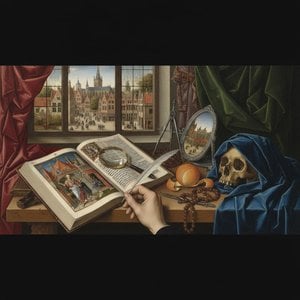
Discover the profound beauty of the Early Netherlandish Renaissance. Explore the revolutionary oil techniques, intricate symbolism, and masterful realism of Northern masters like Jan van Eyck in this expert-led guide for classical art enthusiasts.
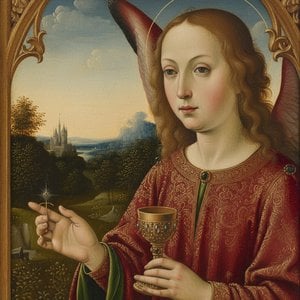
Embark on a journey through the luminous world of Early Netherlandish art. Discover the revolutionary oil techniques, microscopic realism, and sacred symbolism used by masters like Jan van Eyck to redefine Western art history in this expert-led guide.

 实景预览
实景预览
 分享
分享 分享
分享
 详情
详情 指南
指南

 下载作品
下载作品
 相似作品
相似作品 X射线
X射线 幻灯片播放
幻灯片播放 问答
问答
 统计数据
统计数据
 展开全文
展开全文









 玻璃选项仅适用于110厘米以下的尺寸。


