
博物馆级艺术微喷或帆布版画,制作高效,并提供多种饰面选择。 ( 购买手绘画作 切换至数字图像销售渠道)





























从与原作比例一致的预设尺寸中进行选择。

您可以输入自定义尺寸,以适配特定的画框或空间。如果您选择的尺寸与原图比例不符,我们将对作品进行裁剪,或通过镜像填充/纯色填充边缘的方式来扩展图像。在开始制作之前,我们会向您发送一份数字效果图供您确认。
请注意,屏幕上的预览并不能反映实际的裁剪或扩展效果。只有效果图才能准确展示最终的构图。
虽然我们提供定制尺寸,但为了保持原图比例,我们建议您从预设列表中选择尺寸。

The Lucca Madonna
复制品尺寸
Jan van Eyck’s *Lucca Madonna*, completed around 1437, stands as a cornerstone of Early Netherlandish painting—a testament to meticulous observation and profound symbolic resonance. More than just a portrait of Mary cradling Jesus, it embodies the spiritual aspirations of its time, captivating viewers with its luminous beauty and masterful execution.
The painting depicts Mary seated on a wooden throne adorned with four lion statues crafted from brass—a deliberate reference to Solomon’s throne, symbolizing divine authority. This monumental chair dominates the scene, establishing a vertical axis that draws the eye upwards towards the canopy overhead. Two vases flank Mary, adding visual balance and subtly hinting at the virtues of humility and simplicity. The inclusion of a window behind Mary introduces depth and perspective, mirroring the architectural grandeur of churches during this period.
At its core, *Lucca Madonna* speaks to themes of motherhood, purity, and divine grace. Mary’s posture conveys serenity and devotion—a deliberate echo of depictions found in illuminated manuscripts and altarpieces. The infant Jesus, positioned prominently in her arms, symbolizes innocence and Christ’s divine presence. The vases and bowl serve as emblems of piety and contemplation, reinforcing the painting's spiritual message.
Van Eyck revolutionized artistic practice with his pioneering use of oil paint—a medium that allowed for unprecedented levels of realism and luminosity. He achieved this remarkable effect through a technique known as “wet-in-wet,” applying thin layers of pigment simultaneously to create subtle gradations of color and capturing the velvety texture of fabrics like Mary’s robe. The meticulous detail evident in every brushstroke—from the delicate folds of drapery to the luminous sheen on Jesus’ face—demonstrates Van Eyck's unparalleled skill.
*Lucca Madonna* flourished during the Burgundian Renaissance, a period marked by artistic innovation and intellectual fervor. This movement saw artists pushing boundaries in terms of realism and symbolism, reflecting the humanist ideals prevalent at the time. Its commission likely stemmed from a desire to honor Mary—the Virgin Mother—and express devotion within the context of religious piety.
Despite its age, *Lucca Madonna* continues to inspire admiration and contemplation. Its exquisite craftsmanship and profound symbolism transcend temporal boundaries, reminding us of the enduring power of art to convey spiritual truths. WahooArt.com offers meticulously crafted oil painting reproductions that allow collectors and enthusiasts alike to experience the majesty of this iconic masterpiece.
For more information on Jan van Eyck and his artistic legacy, visit WahooArt.com.


1390 - 1441 , 荷兰
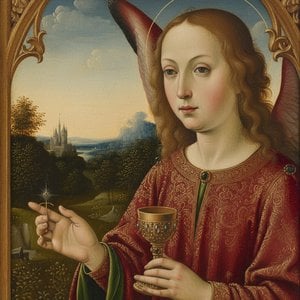
Embark on a journey through the luminous world of Early Netherlandish art. Discover the revolutionary oil techniques, microscopic realism, and sacred symbolism used by masters like Jan van Eyck to redefine Western art history in this expert-led guide.

Delve into the luminous revolution of Early Netherlandish painting. Unveil how Jan van Eyck and Flemish masters pioneered oil techniques to achieve unparalleled depth, sacred symbolism, and breathtaking realism, forever shaping the legacy of Western art history.
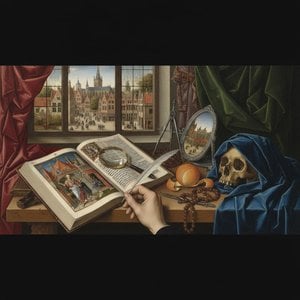
Discover the profound beauty of the Early Netherlandish Renaissance. Explore the revolutionary oil techniques, intricate symbolism, and masterful realism of Northern masters like Jan van Eyck in this expert-led guide for classical art enthusiasts.


 效果预览
效果预览
 分享
分享 分享
分享
 详情
详情 指南
指南

 下载
下载
 相似作品
相似作品 X射线
X射线 幻灯片播放
幻灯片播放 统计数据
统计数据

 展开详情
展开详情









 玻璃选项仅适用于110厘米以下的尺寸。


