
博物馆级艺术微喷或帆布版画,制作高效,并提供多种饰面选择。 ( 购买手绘画作 切换至数字图像销售渠道)





























从与原作比例一致的预设尺寸中进行选择。

您可以输入自定义尺寸,以适配特定的画框或空间。如果您选择的尺寸与原图比例不符,我们将对作品进行裁剪,或通过镜像填充/纯色填充边缘的方式来扩展图像。在开始制作之前,我们会向您发送一份数字效果图供您确认。
请注意,屏幕上的预览并不能反映实际的裁剪或扩展效果。只有效果图才能准确展示最终的构图。
虽然我们提供定制尺寸,但为了保持原图比例,我们建议您从预设列表中选择尺寸。

Crucifixion 1
复制品尺寸
Jan van Eyck’s “Crucifixion” – a work often referred to as “The Crucifixion and Last Judgement Diptych” – isn’t merely a depiction of a pivotal biblical event; it’s an immersive experience, a profound meditation on suffering, faith, and the very nature of humanity. Painted in 1420-1439, this remarkable diptych, housed within the Metropolitan Museum of Art, transcends its historical context to resonate powerfully with viewers centuries later. The sheer detail, rendered with Van Eyck’s revolutionary use of oil paint – a technique he essentially pioneered – immediately draws the eye, inviting close inspection and revealing an astonishing level of realism previously unseen in Northern European art. The scene unfolds within a meticulously constructed space: a stark, almost desolate landscape punctuated by the imposing figure of the cross, dominating the composition with its solemn weight.
At the heart of the diptych lies Jesus Christ, suspended on the cross. His posture is one of agonizing endurance; his arms outstretched in a gesture both vulnerable and defiant. Van Eyck doesn’t shy away from portraying the physical reality of crucifixion – the wounds, the contorted limbs, the visible strain on every muscle. Yet, amidst this brutal depiction of suffering, there's an undeniable sense of dignity and grace. The artist masterfully captures the subtle nuances of emotion: a hint of resignation in Christ’s face, a profound sorrow etched into his features. The surrounding figures – grieving disciples, concerned onlookers, and even soldiers – are rendered with equally meticulous detail, each contributing to the overall atmosphere of grief and contemplation.
What truly distinguishes “Crucifixion” is Van Eyck’s groundbreaking application of oil paint. Prior to this period, artists primarily relied on tempera, a medium that produced relatively flat, matte surfaces. Oil paint, however, allowed for layering, blending, and glazing – techniques that enabled Van Eyck to achieve an unprecedented level of luminosity, depth, and realism. The subtle gradations of color, the shimmering highlights, and the delicate textures are all testaments to his mastery of this innovative medium. Notice how light plays across Christ’s body, illuminating the wounds and casting long shadows, creating a dramatic interplay of form and light that elevates the scene beyond mere representation.
Furthermore, Van Eyck's meticulous attention to detail extends far beyond the figures themselves. The landscape, rendered with astonishing precision, is filled with intricate details – from the individual stones in the foreground to the distant cityscape of Jerusalem. The use of aerial perspective—creating a sense of depth through subtle variations in color and tone—further enhances the realism of the scene. This level of detail wasn’t simply for aesthetic effect; it served to immerse the viewer in the narrative, drawing them into the emotional core of the story.
Beyond its immediate visual impact, “Crucifixion” is rich in symbolic meaning. The diptych itself represents a duality—the suffering of Christ on the left wing and the anticipation of the Last Judgement on the right. The inscriptions adorning the panels – excerpts from Isaiah, Deuteronomy, and Revelation – provide theological context, reinforcing the narrative’s significance within Christian belief. The presence of various figures – soldiers, mourners, and clergy – represents the diverse range of human responses to Christ's sacrifice.
The overall effect is profoundly moving. “Cruifixion” isn’t a celebration of victory; it’s an honest portrayal of pain, loss, and redemption. It compels viewers to confront uncomfortable truths about humanity’s capacity for cruelty while simultaneously offering a glimmer of hope through the figure of Christ's sacrifice. The diptych invites contemplation on themes of faith, mortality, and the enduring power of compassion – making it a timeless masterpiece that continues to resonate with audiences today.


1390 - 1441 , 荷兰

Delve into the luminous revolution of Early Netherlandish painting. Unveil how Jan van Eyck and Flemish masters pioneered oil techniques to achieve unparalleled depth, sacred symbolism, and breathtaking realism, forever shaping the legacy of Western art history.
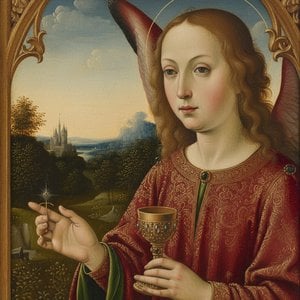
Embark on a journey through the luminous world of Early Netherlandish art. Discover the revolutionary oil techniques, microscopic realism, and sacred symbolism used by masters like Jan van Eyck to redefine Western art history in this expert-led guide.


 效果预览
效果预览
 分享
分享 分享
分享
 详情
详情

 下载
下载
 相似作品
相似作品 X射线
X射线 幻灯片播放
幻灯片播放 统计数据
统计数据
 展开详情
展开详情









 玻璃选项仅适用于110厘米以下的尺寸。


