
 Oil On CanvasWallArtDutch Golden Age Painting
 1660Early Modern
 41.0 x 42.0 cm
 普拉多博物馆
由我们的艺术家按需定制,为您提供您所选尺寸及画框的布面手工油画。 ( 切换至版画销售渠道 切换至数字图像销售渠道)





























您可以从与原作比例一致的预设尺寸中进行选择。

您可以输入自定义尺寸,以适配特定的画框或空间。如果所选尺寸与原图比例不符,我们将通过裁剪作品或添加手绘元素来扩展画面。数字样稿将在制作开始前发送给您确认。
请注意,屏幕预览无法准确反映实际的裁剪或扩展效果,只有样稿才能真实呈现最终的构图。
虽然我们提供定制尺寸服务,但为了保留原作比例,建议您从预设列表中选择尺寸。

Winter Landscape
复刻品尺寸说明
Gazing upon this depiction of a winter landscape, one is immediately drawn into a scene fraught with dramatic tension. The air itself seems heavy, weighted by dark, brooding clouds that promise an imminent storm. Before us unfolds a tableau vivant set upon the cold expanse of water, where several small boats bob like fragile memories against the vastness. At the heart of this gathering are figures—at least nine souls—who stand clustered near the edge, their presence suggesting both vulnerability and enduring human resilience. The inclusion of a horse amidst the group anchors the composition, lending an element of pastoral drama to what is otherwise a study in elemental forces.
Jan van de Cappelle, the celebrated master of Dutch marine painting, captures more than just a scene; he traps a moment suspended between tempest and calm. His technique here is breathtakingly nuanced. Observe how the artist renders the water—it is not merely blue or grey, but a complex tapestry of reflected light and churning shadow. The handling of the sky, with its ominous gathering clouds juxtaposed against the distant promise of brighter moments, showcases his unparalleled ability to manipulate atmosphere. This painting speaks volumes about chiaroscuro applied to weather; the drama is painted in the interplay between deep, saturated tones and those fleeting patches where light manages to pierce the gloom.
Dating from 1660, this work situates itself perfectly within the zenith of the Dutch Golden Age. During this period, maritime life and the relationship between man and nature were central preoccupations for artists. Van de Cappelle, known for imbuing his seascapes with a profound sense of tranquility despite the visible turmoil, masterfully reflects this cultural fascination. The people gathered here, seemingly preparing for an adventure or perhaps simply enduring the elements together, embody the spirit of the era: a blend of industriousness, community reliance, and a deep respect—even apprehension—of nature's raw power.
Beyond the technical brilliance lies a rich symbolic resonance. The stormy weather often symbolizes life’s inevitable hardships or emotional turmoil. Yet, the grouping of figures, their shared focus on the water and the boats, speaks powerfully to human connection. It suggests that even when faced with overwhelming natural forces—the dark clouds, the rough water—community, preparation, and mutual support are what allow humanity to navigate through life’s deepest winters. For the collector or designer, this piece offers more than decoration; it offers a contemplation on steadfastness.
To reproduce such an evocative work is to invite a piece of Dutch Romanticism into your own space. The rich palette and palpable sense of movement make it a stunning focal point for any room, particularly those with natural light that can echo the drama captured on canvas. Owning a reproduction allows one to connect intimately with Van de Cappelle’s legacy—a legacy defined by capturing the sublime beauty found at the intersection of human endeavor and untamed nature.

在荷兰黄金时代的艺术殿堂中,扬·范·德·卡佩勒(Jan van de Cappelle)无疑是一位独特而耀眼的灵魂。他在艺术史上的地位,并非由宏大的叙事所定义,而是源于一种深邃且富有冥想意味的静谧感。与许多致力于大量创作的同辈画家不同,卡佩勒的作品数量虽少,但每一件都散发着非凡的卓越气质。他不仅仅是一位描绘海洋的画家,更是一位在世俗领域拥有显赫地位的人物,是与阿姆斯特丹经济脉动紧密相连的工业巨擘。作为纺织行业的成功人士和品味高雅的收藏家,他的生命呈现出一种商业成就与艺术敏锐度交织的独特二重性。正是这种财富与远见的结合,使他能够孕育出一种不仅是在描绘海洋世界,更是在捕捉其灵魂的风格——那是一种既映照着水面波光,又倒映着无垠苍穹的永恒宁静。
1624年出生于阿姆斯特丹,扬·范·德·卡佩勒走上了一条通往艺术大师之路的非典型路径。当时许多大师都经过了严苛的行会训练,而卡佩勒很大程度上是自学成才,这一事实或许正是他作品中那种纯净、无拘无束之视觉特质的来源。他的成长环境充满了工业技术的复杂性;他的父亲弗朗索瓦·范·德·卡佩勒经营着一家规模宏大的染坊,专门生产深红色的染料。这种对精准度以及对色彩与化学知识有着深刻理解的环境,很可能为扬日后探索光影与大气氛围奠定了宝贵的基石。尽管他的创作风格或许受到了西蒙·德·弗利格(Simon de Vlieger)的影响——两者的构图在结构上具有某种亲缘关系——但卡佩勒最终超越了单纯的模仿,达到了纯粹且富有空气感的艺术境界。
扬·范·德·卡佩勒真正的天才之处,在于他能够操纵空气与水的元素,从而创造出一种深层的情感深度。他常被誉为17世纪荷兰最杰出的海洋画家,这一殊荣源于他对大气透视法无与伦布的掌控。他的技艺在将天空云团镜像于如镜面般平静的水面上时表现得最为淋漓尽致。在诸如《静海上的锚泊船只》等作品中,观者不仅仅是在注视一幕海上景象,更是被邀请进入了一个时间停滞的瞬间。光影细微的渐变与对云层细致入微的刻画,营造出一种宏大的空间感,使得海洋与天空的边界在美学意义上变得模糊而迷人。
他的艺术语言从威廉·范·德·维尔德(Willem van de Velde the Elder)的写实主义中汲取灵感,却拥有一种独属于他自己的柔和感。当其他画家可能专注于海战的混乱能量或风暴的狂暴时,卡佩勒却在寻找风暴过后或运动前夕的那份幽静。他的构图往往包含着:
扬·范·德·卡佩勒的历史意义早已超越了他画布上的美学价值。他代表了荷兰黄金时代在平凡中发现非凡的能力之巅峰。通过对帆船、河流场景及冬季景观的描绘,他记录了一个当时作为全球贸易中心的国家的海洋身份。即便是在他较为动态的作品中,例如《受本土舰队致敬的国家驳船》,依然存在着一种内在的秩序感与尊严感,反映了他所处时代结构化的繁荣景象。
尽管他的生命止于1679年,仅留下了有限的杰作收藏,但他对海洋艺术流派的影响却是无法估量的。他教会了后世艺术家如何不仅去描绘“所见”,更去描绘“所感”——空气的重量、潮汐的静止以及地平线那无声的壮丽。时至今日,他的作品对于任何试图理解人类、自然与连接它们的的光影之间微妙平衡的人来说,依然是不可或缺的标杆。他的遗产是一种关于宁静的传承,是一位在静谧中寻得永恒的艺术家的永恒见证。

1624 - 1679 , 荷兰

Discover the captivating maritime paintings of Willem van de Velde the Elder, a master chronicler of the Dutch Golden Age. Explore his unparalleled realism and lasting influence on naval art history.

探索荷兰黄金时代的艺术巅峰! 伦勃朗、维米尔等大师名作,带您领略巴洛克艺术的辉煌。高清画作、博物馆级品质,点亮您的家居空间。WahooArt.com 提供精选艺术复制品和定制装饰方案。立即在线探索全系列!

Explore the captivating world of Pieter de Hooch, a master of Dutch Golden Age painting. Discover his innovative use of light, intimate domestic scenes, and lasting influence on art history. Learn more at WahooArt.

探索伦勃朗25幅杰作,领略荷兰黄金时代光影大师的艺术传奇!从《夜巡》到自画像,深入了解巴洛克艺术、历史绘画与人物肖像背后的故事。WahooArt.com提供高清艺术复制品及家居装饰灵感。立即探索完整系列!
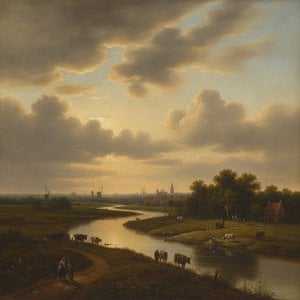
Discover the breathtaking beauty of Dutch Golden Age landscapes. Explore the mastery of light, chiaroscuro, and 17th-century realism through an expert art history lens, celebrating the enduring legacy of the Dutch Masters for discerning collectors and art lovers.


 实景预览
实景预览
 发送
发送 分享
分享
 详情
详情 指南
指南

 下载图片
下载图片
 相似作品
相似作品 X射线
X射线 幻灯片播放
幻灯片播放 统计数据
统计数据 阅读全文
阅读全文









 玻璃选项仅适用于110厘米以下的尺寸。


