




























免费艺术咨询

x
定制手绘复刻品 定制手绘复刻品购买高清图片 购买高清图片 分享分享
详情详情 加入收藏 加入收藏 下载下载 相似作品相似作品 X射线检测X射线检测 幻灯片播放幻灯片播放

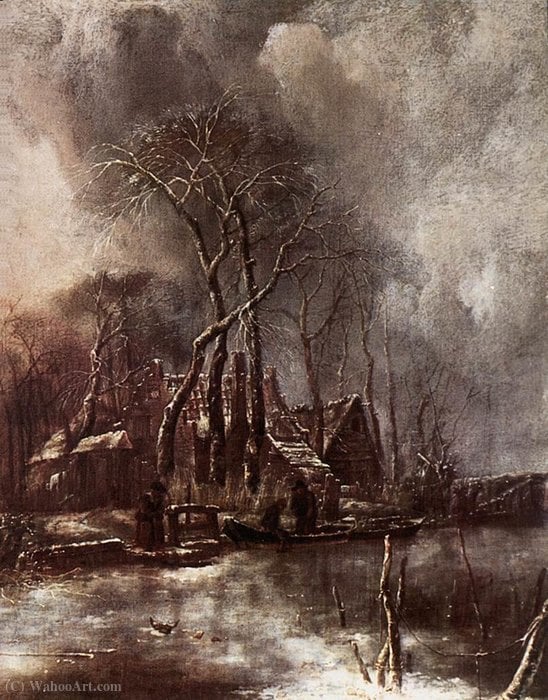
Winter landscape

Discover Jan van de Cappelle’s serene winter landscapes & maritime scenes. Master Dutch Golden Age painter known for calm waters & luminous artistry. Explore rare works!

Discover Jan van de Cappelle, the Dutch Golden Age master of serene marine and winter landscapes. Renowned for calm water reflections and estuary scenes, he is considered Holland's outstanding 17th-century marine painter.

艺术微喷/版画

博物馆级艺术微喷或帆布版画,制作高效,并提供多种饰面选择。

P118B $10
P118H $10
P118W $10
P438Z $10
P508JH $12
P508YH $12
P805H $10
P805Z $10
P919BZ $10
P919G $10
P919XJ $10
P959ZH $10
P968JZ $12
W106C $8
W218G $10
W218JH $8
W218Y $10
W307PJ $10
W316G $10
W316PJ $8
W316Y $10
W398PJ $8
W4111J $10
W500HY $15
W500JH $15
W692G $12
W849H $8
W940BG $15
W953PJ $8

Standard
custom
CM
INCH

从与原作比例一致的预设尺寸中进行选择。

宽度
高度

您可以输入自定义尺寸,以适配特定的画框或空间。如果您选择的尺寸与原图比例不符,我们将对作品进行裁剪,或通过镜像填充/纯色填充边缘的方式来扩展图像。在开始制作之前,我们会向您发送一份数字效果图供您确认。
请注意,屏幕上的预览并不能反映实际的裁剪或扩展效果。只有效果图才能准确展示最终的构图。
虽然我们提供定制尺寸,但为了保持原图比例,我们建议您从预设列表中选择尺寸。

全球配送(),仅需 2 周即可送达,无需等待标准流程的 4/5 周。(3 July)

why_choose_icon
全球免费特快专递服务
why_choose_icon
优质亚麻画布
why_choose_icon
全程运输保险
why_choose_icon
关税退款保证
why_choose_icon
色彩还原度保证
why_choose_icon
60天退货政策(仅限制造缺陷)
why_choose_icon
100%退款保证
why_choose_icon
多件购买优惠

总计金额

-

reproduction

Winter landscape

艺术微喷/版画

复制品尺寸

-

最终总价

-


艺术家简介

A Master of Tranquility: The Life and Art of Jan van de Cappelle

Jan van de Cappelle, a name perhaps less immediately recognizable than some of his Dutch Golden Age contemporaries, nevertheless represents the pinnacle of serene marine painting in 17th-century Holland. He wasn’t prolific; surviving works number around only thirty, yet within that modest oeuvre lies a profound influence and an unparalleled ability to capture the quiet beauty of water, sky, and the Dutch landscape. Born into a prosperous Amsterdam family – the exact year remains uncertain, though generally placed around 1626 – Van de Cappelle enjoyed a privileged upbringing that allowed him to pursue his artistic inclinations without financial constraint. This freedom is reflected in his work; there’s a lack of urgency, a deliberate focus on atmospheric effect and subtle nuance rather than dramatic narrative or the meticulous detail often associated with other Dutch masters. He received early training from Pieter de Molyn, a landscape painter, but quickly developed a distinctive style that moved beyond conventional approaches. His family's wealth also meant he didn’t rely on commissions for survival, allowing him to paint primarily for his own satisfaction and the appreciation of a discerning circle of friends and collectors.

The Development of a Unique Vision

Van de Cappelle’s artistic journey wasn’t marked by rapid stylistic shifts but rather a gradual refinement of his singular vision. Initially influenced by the tonal landscapes of Pieter Claesz, he soon gravitated towards the work of Simon van Pouwlanden, whose expansive skies and atmospheric perspective resonated with Van de Cappelle's own sensibilities. However, he quickly surpassed his teachers, forging a path that emphasized the interplay of light and water in a way previously unseen. He was among the first to specialize almost exclusively in marine landscapes – not the turbulent seascapes depicting shipwrecks or naval battles favored by artists like Willem van de Velde the Younger, but rather calm estuaries, frozen waterways, and tranquil harbors bathed in soft, diffused light. This focus on stillness and reflection set him apart. He meticulously studied the effects of light on water, capturing its subtle gradations of color and texture with remarkable accuracy. His technique involved building up layers of thin glazes, creating a luminous quality that evokes the atmosphere of the Dutch countryside.

Technical Mastery and Artistic Innovation

  • Glazing Technique: Van de Cappelle’s signature style relied heavily on layering translucent oil paints (glazes) to create depth and luminosity. This technique allowed him to capture the subtle shifts in light and color reflected in water, ice, and sky.
  • Monochromatic Underpainting: He often began with a detailed monochromatic underpainting – typically in shades of grey or brown – establishing the composition and tonal values before applying layers of colored glazes.
  • Emphasis on Atmosphere: Unlike many marine painters who focused on precise detail, Van de Cappelle prioritized atmospheric effects. He skillfully rendered clouds, mist, and haze to create a sense of depth and realism.
  • Limited Palette: His palette was relatively restrained, favoring earth tones, blues, greys, and whites. This limited range allowed him to achieve subtle harmonies and nuanced color variations.
His innovative use of light wasn’t merely representational; it became a symbolic element in his work. The soft, diffused light often associated with dawn or dusk evokes a sense of peace, contemplation, and the transience of time. He was also remarkably adept at depicting ice – not as a cold, forbidding barrier, but as a shimmering, crystalline surface reflecting the surrounding landscape. This ability to find beauty in the ordinary, to elevate everyday scenes to the level of art, is one of Van de Cappelle’s most enduring qualities.

Legacy and Historical Significance

Jan van de Cappelle's influence on subsequent generations of Dutch painters was profound. Artists like Aert van Gelder and Jan Vermeer – who owned at least two of Van de Cappelle’s works – clearly admired his mastery of light and atmosphere, incorporating similar techniques into their own paintings. Vermeer’s “View of Delft”, for example, bears a striking resemblance to Van de Cappelle's serene landscapes in its quiet composition and atmospheric perspective. While he didn’t establish a large workshop or train numerous students, his impact was felt through the widespread admiration of his work among fellow artists and collectors. He is now recognized as Holland’s outstanding 17th-century marine painter, a master of tranquility whose paintings continue to captivate viewers with their quiet beauty and subtle power. His works offer a glimpse into the Dutch Golden Age – not of bustling trade routes or dramatic naval victories, but of the peaceful countryside, the shimmering waterways, and the enduring allure of light and reflection. He died in Amsterdam in 1678, leaving behind a small but significant body of work that continues to inspire awe and admiration.