
 Oil On CanvasWallArtBaroque Landscape
 1660
1660 120.0 x 160.0 cm
 皇家博物馆艺术安特卫普
博物馆级艺术微喷或帆布版画,制作高效,并提供多种饰面选择。 ( 订购此收藏品的纯手工复刻画作 切换至数字图像销售渠道)





























您可以从与原作比例一致的预设尺寸中进行选择。

请输入您所需的宽度和高度,以适配您的画框或墙面。由于印刷品只能进行裁剪,无法超出原图尺寸,因此若比例不一致,画面的一部分将会被裁切。在正式印刷之前,我们会为您发送一份数字效果图供您确认。本页面显示的图片并非最终裁剪后的效果——只有效果图才能展示真实的裁剪情况。
The Ford
复刻品尺寸说明
Jan Siberechts' "The Ford," painted in 1672, isn’t merely a landscape; it’s a carefully constructed tableau of Flemish serenity and understated elegance. Housed within the Koninklijk Museum voor Schone Kunsten in Antwerp, Belgium – a treasure trove of Flemish artistry – this oil on canvas invites us into a tranquil scene that speaks volumes about the beauty of rural life and the burgeoning artistic sensibilities of its time. Measuring 120 x 160 cm, the painting possesses a remarkable intimacy, drawing the viewer close to the figures and the gentle flow of the river.
Siberechts, born in Antwerp in 1627, navigated a fascinating artistic lineage. Trained initially by his father, a sculptor, he ultimately forged a distinct style deeply rooted in Flemish tradition yet subtly influenced by the Italianate landscape painters who were gaining prominence across Europe. His early works demonstrated an acute observation of the Flemish countryside, capturing its textures and light with remarkable precision. “The Ford” exemplifies this skill, showcasing a masterful understanding of atmospheric perspective – the distant hills dissolving into a hazy blue, while the foreground retains a crisp clarity.
At first glance, “The Ford” presents a scene of quiet domesticity. Two women are the focal point, occupying distinct yet harmonious spaces within the composition. One stands gracefully by the riverbank, holding a golden jug – its purpose subtly suggestive, perhaps for water or a simple gesture of offering. Her attire, a pristine white blouse accented with vibrant red sleeves and skirt, immediately draws attention to her figure. Beside her sits another woman, dressed in a more subdued black gown, engaged in conversation, creating a dynamic interplay between stillness and interaction.
The artist’s meticulous attention to detail is evident throughout the painting. The folds of the women's clothing are rendered with exquisite realism, each seam and texture painstakingly depicted. Siberechts expertly employs chiaroscuro – the dramatic contrast between light and shadow – to sculpt the figures and create a sense of depth. Notice how the sunlight catches the woman’s face, illuminating her features while leaving the background softly shaded, enhancing the overall atmosphere of tranquility.
“The Ford” is more than just a pretty picture; it's imbued with symbolic meaning reflective of its era. The presence of the women by the river can be interpreted as representing domesticity, fertility, and the cyclical nature of rural life. The golden jug, a symbol of abundance and hospitality, adds to this interpretation. Furthermore, the painting’s style aligns perfectly with the Baroque period's emphasis on realism and dramatic effect – a shift away from the more restrained Mannerism that preceded it.
It’s important to consider the historical context in which “The Ford” was created. Around 1672, Antwerp was experiencing a flourishing of artistic activity, fueled by royal patronage and a growing interest in landscape painting. Siberechts' work reflects this vibrant cultural climate, showcasing his ability to capture both the beauty of the Flemish countryside and the sophisticated aesthetic sensibilities of the time. The inclusion of figures within the landscape – a relatively new trend – suggests an engagement with contemporary artistic developments.
Jan Siberechts’ “The Ford” stands as a pivotal work in the development of English landscape painting, having been commissioned by George Villiers, 2nd Duke of Buckingham during his visit to Antwerp. His subsequent move to England and continued practice there solidified his position as a pioneer, introducing a distinctly Flemish sensibility to the burgeoning English tradition. The painting’s influence can be seen in later works that adopted a similar approach – depicting idyllic rural scenes with carefully rendered figures within the landscape.
Today, reproductions of “The Ford” are readily available through platforms like WahooArt.com, allowing art lovers to experience this timeless masterpiece firsthand. Its enduring appeal lies not only in its technical brilliance but also in its ability to evoke a sense of peace and nostalgia – a reminder of the simple beauty of rural life and the artistry of Jan Siberechts.

1627 - 1703 , 比利时

Explore the dramatic brilliance of the Flemish Baroque movement. Discover how masters like Peter Paul Rubens utilized chiaroscuro and dynamic composition to redefine art history through light, shadow, and unparalleled emotion.

Explore the profound beauty of village scene art. From Impressionist light to pastoral realism, discover how timeless landscapes capture nostalgia through expert artistry and historical depth. Perfect for collectors seeking evocative, museum-quality landscape inspirations.
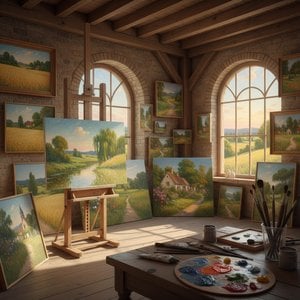
Discover the profound tranquility of rural art through an expert exploration of Impressionist landscapes. From pastoral scenes to textured oil masterpieces, learn how timeless nature-inspired artworks bring enduring elegance and serenity to sophisticated collectors.


 实景预览
实景预览
 发送
发送 分享
分享
 详情
详情 指南
指南

 下载图片
下载图片
 相似作品
相似作品 X射线
X射线 幻灯片播放
幻灯片播放 统计数据
统计数据 阅读全文
阅读全文









 玻璃选项仅适用于110厘米以下的尺寸。


