
博物馆级艺术微喷或帆布版画,制作高效,并提供多种饰面选择。 ( 订购此收藏品的纯手工复刻画作 切换至数字图像销售渠道)





























您可以从与原作比例一致的预设尺寸中进行选择。

您可以输入自定义尺寸,以适配特定的画框或空间。如果您选择的尺寸与原图比例不符,我们将对作品进行裁剪,或通过镜像填充/纯色填充边缘的方式来扩展图像。在开始制作之前,我们会向您发送一份数字效果图供您确认。
请注意,屏幕上的预览并不能反映实际的裁剪或扩展效果。只有效果图才能准确展示最终的构图。
虽然我们提供定制尺寸,但为了保持原图比例,我们建议您从预设列表中选择尺寸。

The Dancing Couple
复刻品尺寸说明
To gaze upon Jan Steen’s “The Dancing Couple” is to be instantly swept up in the boisterous, uninhibited spirit of a seventeenth-century Dutch kermis. Painted in 1663, this masterpiece serves as much more than a mere visual record of a village fair; it is an immersive sensory experience that captures the very heartbeat of the Dutch Golden Age. Steen, a master of the human comedy, avoids the stiff formality often found in the portraits of his era, choosing instead to plunge his audience into a room teeming with life, laughter, and a touch of delightful disorder. As the eye wanders through the scene, one encounters a tapestry of social interaction—flirtatious glances, spirited conversations, and the rhythmic movement of dancers—all set against a backdrop of domestic abundance.
The painting functions as a window into a pivotal moment of social history, where the boundaries between classes often blurred under the influence of celebration. Steen meticulously renders the textures of the era, from the heavy folds of fine fabrics to the humble surfaces of wooden tables and earthenware. Every object, whether it be a delicate wine glass catching the light or a simple bowl resting near the edge of a chair, contributes to a sense of lived-in reality. For the collector or interior designer, this work offers a profound sense of warmth and vitality, making it an ideal centerpiece for spaces that celebrate conviviality and the richness of human connection.
Technically, “The Dancing Couple” is a triumph of Baroque realism. Steen employs a sophisticated command of light and shadow to direct the viewer's gaze, pulling us toward the central figures whose movement anchors the composition amidst the surrounding frenzy. His brushwork, while precise enough to capture the glint of liquid in a glass or the subtle expression on a child's face, possesses a fluid energy that mirrors the subject matter itself. This technique allows the painting to breathe, creating an atmosphere where the air feels thick with the scent of food, the sound of music, and the warmth of a crowded room.
Beyond the surface beauty lies a deeper layer of symbolic storytelling. Steen was renowned for his ability to weave subtle moral lessons into seemingly chaotic scenes. In the tradition of the kermis paintings, the abundance of food, drink, and revelry often served as a gentle satire on the lack of moderation, inviting the viewer to reflect on the balance between enjoying life's pleasures and maintaining virtue. This duality—the tension between exuberant joy and quiet moral reflection—is what gives the work its enduring psychological depth. It is not merely a painting to be looked at, but a narrative to be read, offering layers of meaning that reveal themselves upon repeated viewing.
For those seeking to infuse their homes with character and historical soul, a high-quality reproduction of “The Dancing Couple” provides an unparalleled opportunity. The painting’s palette, rich with earthy tones punctuated by vibrant highlights, possesses a timeless elegance that complements both classical and contemporary decor. It brings a sense of storytelling to a room, acting as a conversation starter that transcends time. Whether placed in a grand dining hall to echo the festive spirit of the original or in a more intimate study to provide a window into the past, Steen’s work remains a powerful testament to the enduring beauty of the everyday human experience.


1626 - 1679 , 荷兰

探索荷兰黄金时代的艺术巅峰! 伦勃朗、维米尔等大师名作,带您领略巴洛克艺术的辉煌。高清画作、博物馆级品质,点亮您的家居空间。WahooArt.com 提供精选艺术复制品和定制装饰方案。立即在线探索全系列!

深入探索荷兰黄金时代绘画的文化创新与现实主义反思。本文解读伦勃朗、维米尔等大师的作品,并结合玛莉特·韦斯特曼的图像学研究,揭示艺术史背后的社会语境与现代性意识觉醒。
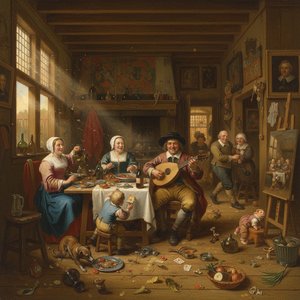
Explore the life & art of Jan Steen, a leading Dutch Golden Age painter renowned for his humorous genre scenes & insightful social commentary. Discover his techniques, legacy, and collecting tips.

Journey through the Golden Age with our guide to the Top 10 Dutch Baroque masterpieces! Explore iconic paintings by Rembrandt, Vermeer & Frans Hals. Find museum-quality art reproductions and elevate your home decor at WahooArt.com.
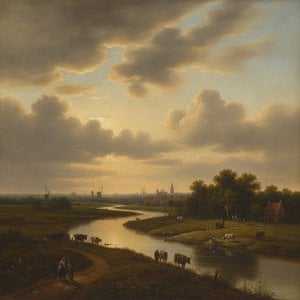
Discover the breathtaking beauty of Dutch Golden Age landscapes. Explore the mastery of light, chiaroscuro, and 17th-century realism through an expert art history lens, celebrating the enduring legacy of the Dutch Masters for discerning collectors and art lovers.


 实景预览
实景预览
 发送
发送 分享
分享
 详情
详情 指南
指南

 下载图片
下载图片
 相似作品
相似作品 X射线
X射线 幻灯片播放
幻灯片播放 统计数据
统计数据


 阅读全文
阅读全文









 玻璃选项仅适用于110厘米以下的尺寸。


