Oil On CanvasWallArtDutch Golden Age
 1650
1650 50.0 x 43.0 cm
 玛乌里诗博物馆
博物馆级艺术微喷或帆布版画,制作高效,并提供多种饰面选择。 ( 订购纯手工绘制画作 切换至数字图像销售渠道)





























您可以从与原作比例一致的预设尺寸中进行选择。

请输入您所需的宽度和高度,以适配您的画框或墙面。由于印刷品只能进行裁剪,无法超出原图尺寸,因此若比例不一致,画面的一部分将会被裁切。在正式印刷之前,我们会为您发送一份数字效果图供您确认。本页面显示的图片并非最终裁剪后的效果——只有效果图才能展示真实的裁剪情况。
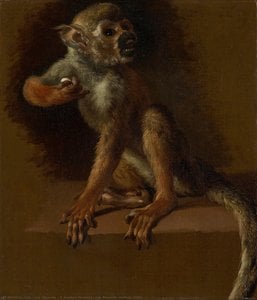
Dead Partridge
复刻品尺寸
Jan Baptist Weenix’s “Dead Partridge,” painted around 1650-1652 and now residing within the esteemed Mauritshuis in The Hague, is more than just a depiction of a fallen bird; it's a meticulously crafted meditation on mortality, observation, and the subtle poetry of the natural world. Born in Amsterdam during a period of burgeoning artistic innovation, Weenix emerged as a pivotal figure in Dutch Golden Age painting, particularly renowned for his pioneering approach to Italianate landscapes infused with human presence – a technique that profoundly influenced generations of artists to come. This particular work, rendered in oil on canvas measuring 50 x 43 cm, exemplifies his mastery of chiaroscuro and his uncanny ability to capture the fleeting essence of life’s transience.
The composition is strikingly simple yet deeply resonant. A single, dead partridge hangs suspended from a nail, its feathers arranged in an almost deliberate, unsettling display against a muted beige background. The bird's posture – feet tied together, plumage spread wide – immediately evokes a sense of vulnerability and finality. Crucially, the scene isn’t presented with overt drama or pathos; instead, Weenix employs a quiet restraint that amplifies the painting’s contemplative mood. This deliberate lack of sentimentality is characteristic of his style, prioritizing precise observation and technical skill over emotional excess.
Weenix's genius lies not just in his subject matter but also in his masterful manipulation of light and shadow. The painting’s illumination is carefully controlled, creating a dramatic interplay between dark tones and subtle highlights that imbue the scene with depth and volume. The artist utilizes *chiaroscuro* – the contrasting of strong light and deep shadows – to sculpt the bird's form, drawing the viewer’s eye directly to its lifeless body. Notice how the folds of the feathers are rendered with painstaking detail, each strand appearing almost tangible. The subtle gradations of color—from the rich browns and ochres of the plumage to the cool grays and beiges of the background—further enhance the painting's realism and atmospheric quality.
Furthermore, Weenix’s technique is reminiscent of other prominent Dutch Masters like Willem Kalf and Balthasar van der Ast, both known for their meticulous attention to detail and their ability to capture the textures of everyday objects. The artist’s brushwork is remarkably smooth and controlled, contributing to the painting's overall sense of serenity and composure. The careful rendering of the nail itself—its rough texture and slightly tarnished surface—adds a layer of realism that elevates the work beyond mere representation.
“Dead Partridge” was painted during the Dutch Golden Age, a period of unprecedented artistic flourishing fueled by economic prosperity and intellectual curiosity. The painting reflects the era’s fascination with still life – a genre that allowed artists to explore themes of mortality, beauty, and the transient nature of earthly possessions. The partridge itself held symbolic significance in 17th-century Dutch culture, often associated with abundance, fertility, and even death—a poignant reminder of the cyclical nature of life and decay. The painting’s setting – a simple, neutral background – further emphasizes the bird's vulnerability and underscores its role as the central focus of attention.
Interestingly, Weenix’s work draws inspiration from Italianate traditions, particularly the depictions of hunting scenes found in the paintings of artists like Jacopo de’ Barbari. This influence is evident in the painting’s composition—the bird's pose and the arrangement of its feathers echo those seen in earlier Italian works. However, Weenix transforms these borrowed elements into something uniquely his own, imbuing them with a distinctly Dutch sensibility.
Today, “Dead Partridge” stands as a testament to Jan Baptist Weenix’s artistic vision and technical skill. If you're captivated by this hauntingly beautiful painting, consider commissioning a high-quality reproduction from our skilled artisans. We meticulously recreate the original’s nuances—the subtle gradations of color, the delicate brushwork, and the evocative atmosphere—to ensure that your reproduction captures the essence and beauty of this timeless masterpiece. Explore our available reproductions here.
“Dead Partridge”是一件WallArt作品。
不,该作品目前存放于海外。扬·巴普蒂斯特·威尼克斯的出生国是Netherlands,而收藏有《Dead Partridge》原件的博物馆则位于荷兰。
扬·巴普蒂斯特·威尼克斯 的《Dead Partridge》 中呈现的主题包括 partridge, hunting, dutch masters, composition, light & shadow, still life, baroque, weenix,这些主题共同构成了该艺术作品的主旨。

在荷兰黄金时代的璀璨星河中,扬·巴普蒂斯特·威尼克斯(Jan Baptist Weenix)是一位独树一帜的人物。他以敏锐的观察力与瑰丽的想象力交织而成的独特风格,为世人所称颂。尽管与伦勃朗或维米尔等同时代的巨匠相比,他的艺术产出规模相对适中,但威尼克斯对荷兰艺术史的贡献却是不容置疑的——尤其是他开创性地探索了融入人物形象的意大利式风景画,为后世确立了一种具有深远影响力的风格先例。1621年,威尼逊出生于阿姆斯特丹繁忙的港口附近,他出身于一个建筑师家族,这种血脉传承或许在那个充满思想与结构变革的时代,深刻地塑造了他的早年成长岁月。
尽管人生道路上曾遭遇过个人挑战——据记载,由于身体疾病,他的言语表达曾一度困难——但威尼克斯对文学与艺术却怀揣着一颗炽热的心。在他的母亲悉心安排下,他得以跟随伦勃朗的姻亲扬·米克(Jan Micker)学习学徒技艺。这段早期的训练为他注入了严谨的素描与观察方法,并最终成为了其作品的标志性特征。随后,他在乌得勒支师从亚伯拉罕·布洛玛特(Abraham Bloemaert),并回到阿姆斯特丹向克拉斯·科内利斯·莫耶亚特(Claes Corneliszoon Moeyaert)求教,进一步巩固了他在荷兰主流艺术潮流中的根基。
威尼克斯艺术生涯的轨迹因旅行而发生了深刻的转变,其中最著名的莫过于1643年与尼古拉斯·彼得斯佐恩·贝尔赫姆(Nicolaes Pieterszoon Berchem)一同前往罗马的旅程。这次远行让他得以接触到Bentvueghels画派那充满活力的知识与艺术氛围,这种经历推动他的风格向更加广阔的领域迈进。在罗马,他拥抱了“意大利化”风格,其特征是温暖的金黄色调与古典风景,这与传统荷兰绘画中较为冷峻、忧郁的色调形成了绝妙的对比。这段罗马时期的影响使他精通了“意大利式风景画”的艺术,通过北欧人的视角,重新构筑了南欧那粗犷而壮丽的美感。
这一时期的作品往往将古典场景的宏伟与细腻的人文元素完美融合。无论是描绘着海洋贸易气息的港口景象,还是唤起永恒感的辽阔远景,威尼克斯都拥有一种捕捉特定场所氛围的独特天赋。他的造诣并不局限于广袤的地平线;在静物画中,他同样擅长捕捉生命中那份宁静且往往带有原始张力的真实感。他对猎物与动物的描绘充满了令人惊叹的写实主义,从猎犬粗糙的皮毛到羽毛细腻的光泽,每一处纹理都呈现出令人屏息的精准度。
扬·巴普蒂斯特·威尼克斯的伟大之处在于,他成功地在荷兰传统的质朴写实与意大利化运动的理想美之间架起了一座桥梁。他的多才多艺使他能够游刃有余地驾驭各种题材,从《狩猎之后》中所展现的戏剧性张力,到动物研究中那份静谧而近乎肃穆的强度,皆能信手拈来。透过他的画笔,观者仿佛被邀请进入了一个观察到的自然世界与想象中的古典过去之间界限模糊、美妙交融的世界。
当我们回望他的生平与成就时,以下几个核心要素定义了他持久的艺术价值:
尽管他的生命相对短暂,于1661年陨落,但扬·巴普蒂斯特·威尼克斯留下的印记在风景画的演进史中依然清晰可见。他教会了后世的艺术家如何看待地平线——它不仅仅是一个边界,更是一块承载着光影、历史与人类情感的画布。

1621 - 1661

Embark on a sophisticated journey through the Dutch Golden Age. Unveil the dramatic brilliance of Rembrandt’s chiaroscuro and the expressive landscapes of 17th-century masters in this authoritative exploration of light, shadow, and enduring artistic legacy.

Explore the breathtaking mastery of Dutch Golden Age landscapes. From Italianate light to atmospheric realism, discover the techniques of 17th-century masters and learn how to bring these timeless, museum-quality masterpieces into your home through expert oil reproductions.


 实景预览
实景预览
 分享
分享 分享
分享
 详情
详情 指南
指南

 下载作品
下载作品
 相似作品
相似作品 X射线
X射线 幻灯片播放
幻灯片播放 Q&A
Q&A 统计数据
统计数据 展开全文
展开全文









 玻璃选项仅适用于110厘米以下的尺寸。