
x


 Harlem Renaissance
 1938
1938 20.0 x 25.0 cm
从与原作比例一致的预设尺寸中进行选择。

您可以输入自定义尺寸,以适配特定的画框或空间。如果您选择的尺寸与原图比例不符,我们将对作品进行裁剪,或通过镜像填充/纯色填充边缘的方式来扩展图像。在开始制作之前,我们会向您发送一份数字效果图供您确认。
请注意,屏幕上的预览并不能反映实际的裁剪或扩展效果。只有效果图才能准确展示最终的构图。
虽然我们提供定制尺寸,但为了保持原图比例,我们建议您从预设列表中选择尺寸。

The Heiress
复制品尺寸

To look through the lens of James Van Der Zee is to witness the heartbeat of a golden era. More than a mere photographer, Van Der Zee acted as a visual historian, an anthropologist of the soul, and a meticulous chronicler of the Harlem Renaissance. His work does not simply record faces; it captures the profound dignity, the burgeoning elegance, and the unyielding aspirations of Black New Yorkers during one of the most transformative periods in American history. Through his camera, the streets of Harlem were transformed into stages of sophisticated domesticity and vibrant social triumph, preserving a legacy that might otherwise have been lost to the shadows of time.
Born in 1886 in the quiet town of Lenox, Massachusetts, Van Der Zee’s journey toward artistic mastery began with a profound sensitivity to rhythm and light. Before he ever mastered the darkroom, he was a gifted musician, an aspiring violinist who understood the cadence of storytelling. This early immersion in music likely informed his photographic eye, allowing him to compose images with a lyrical grace. His first foray into photography was born of pure, resourceful passion; at just fourteen years old, he acquired his first camera and improvised a makeshift darkroom within his family home. These formative years of self-taught experimentation laid the groundwork for a career defined by technical precision and an innate ability to find beauty in the everyday.
The trajectory of Van Der Zee’s life shifted dramatically when he moved to Harlem in 1905. While working humble jobs as a waiter and elevator operator, his artistic ambitions never wavered. He was deeply embedded in the cultural fabric of the community, eventually becoming a key figure in the Harlem Orchestra. This deep connection to the local rhythm of life provided him with unparalleled access to the people who would become his most iconic subjects. In 1915, a pivotal professional opportunity arose in Newark, New Jersey, where he joined a portrait studio. Starting as a darkroom assistant and rising to the rank of portraitist, he refined the technical skills necessary to create the stylized, polished aesthetic that would become his trademark.
Upon returning to Harlem in 1916, Van Der Zee established a permanent creative foothold by founding the Toussaint Conservatory of Art and Music alongside his sister, Jennie Louise Van De Zee. This studio became much more than a place of business; it was a cornerstone of the Harlem artistic ecosystem. Here, he could blend his photographic prowess with his love for the arts, creating a space where Black creativity could flourish. His work during this period began to capture the rising Black middle class, documenting families in their finest attire, celebrating milestones like baptisms and weddings, and immortalizing the sophisticated socialites of the Jazz Age.
The true historical significance of Van Der Zee lies in his ability to present a counter-narrative to the prevailing racial stereotypes of his time. While much of the mainstream media focused on caricature, Van Der Zee’s portraits emphasized elegance, prosperity, and poise. He utilized lighting and composition to bestow a sense of grandeur upon his subjects, whether they were famous intellectuals or local shopkeepers. His lens captured the essence of the "New Negro" movement—a period of intense pride and self-determination.
His portfolio is a breathtaking tapestry of Harlem life, featuring legendary figures such as:
Through works like The Heiress, he showcased a world of refined domesticity, using symmetrical compositions and rich textures to evoke a sense of stability and grace. Even in his more candid captures of social events, such as the Harlem Society Tea, there is an unmistakable sense of ceremony. Van Der Zee did not just take pictures; he constructed a visual identity for a community, ensuring that the splendor of Harlem’s Golden Age would remain etched in the collective memory of the world forever.

1886 - 1983

探索詹姆斯·惠斯勒25幅杰作!深入了解夜曲、静谧和谐等经典油画背后的故事与艺术魅力。WahooArt.com提供博物馆级复制品,为您的家居带来永恒之美。立即在线探索完整系列!
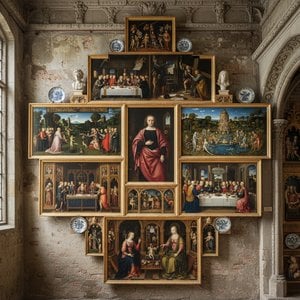
Journey into the Early Netherlandish Renaissance! Explore 10 iconic paintings by Jan van Eyck, Rogier van der Weyden & more. Discover stunning detail, symbolism, and oil painting techniques. Find museum-quality art reproductions for your home at WahooArt.com.

Explore the revolutionary art of Hugo van der Goes – a master of Early Netherlandish painting renowned for his dramatic realism, psychological depth & profound influence on Renaissance artists. Discover his iconic works and lasting legacy.

Explore 10 iconic paintings dominated by black tones, from Rembrandt’s chiaroscuro to Goya's dark expressions. Discover the stories behind these masterpieces & find museum-quality art reproductions for your home at .
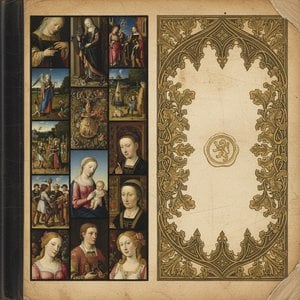
Journey into the world of Early Netherlandish painting! Explore 10 masterpieces by Jan van Eyck, Rogier van der Weyden & more. Discover stunning detail, symbolism & Renaissance art for your home decor. Find museum-quality reproductions on WahooArt.com


第一时间获取最新的艺术新闻、独家优惠及装饰灵感。
向我们介绍您的项目需求,我们的艺术专家将为您提供 3 个个性化的艺术品推荐。
由我们的专家为您精选 3 款心仪之作 —— 完全免费!


 效果预览
效果预览
 购买手绘画作
 分享
分享 分享
分享
 详情
详情

 下载
下载
 相似作品
相似作品 X射线
X射线 幻灯片播放
幻灯片播放 展开详情
展开详情






































 玻璃选项仅适用于110厘米以下的尺寸。


