
 Academic Realism
 1910
1910 98.0 x 85.0 cm
 Walker Art Gallery
由我们的艺术家按需定制,为您提供您所选尺寸及画框的布面手工油画。 ( Switch to Print Switch to Digital Image)
从与原作比例一致的预设尺寸中进行选择。

您可以输入自定义尺寸,以适配特定的画框或空间。如果所选尺寸与原图比例不符,我们将通过裁剪作品或添加手绘元素来扩展画面。数字样稿将在制作开始前发送给您确认。
请注意,屏幕预览无法准确反映实际的裁剪或扩展效果,只有样稿才能真实呈现最终的构图。
虽然我们提供定制尺寸服务,但为了保留原作比例,建议您从预设列表中选择尺寸。

'White Eagle'
复制品尺寸

James Lynwood Palmer (1868-1941) wasn’t merely a painter; he was an interpreter of equine psychology, a chronicler of the fleeting emotions within the powerful bodies of racehorses. Born in Market Rasen, Lincolnshire, into a family steeped in the traditions of the Church, Palmer’s artistic path diverged dramatically from his father's clerical life, leading him to forge a unique and intensely personal style. His early years were spent amidst the rugged landscapes of Canada, working with horses – a formative experience that would profoundly shape his future work. This immersion in the animal world, coupled with an innate sensitivity to movement and expression, became the bedrock of his distinctive artistic vision.
Palmer’s career blossomed during the early 20th century, a period of significant change and excitement within British racing. He deliberately avoided public exhibitions, preferring instead to cater to a select clientele – wealthy sportsmen and breeders who commissioned portraits of their prized steeds. This private patronage afforded him considerable freedom and allowed him to develop his distinctive technique without the constraints of commercial pressures. His subjects weren’t idealized representations of athletic prowess; rather, Palmer captured the inherent tension, the barely contained energy, and often the palpable nervousness of these magnificent animals as they stood poised on the track.
Palmer's artistic approach was remarkably unconventional for his time. He eschewed the traditional heroic poses favored by many equestrian painters, instead focusing on capturing a sense of vulnerability and immediacy. His compositions were often dynamic, utilizing dramatic lighting and atmospheric perspective to heighten the emotional impact. The backgrounds—typically evocative landscapes of rolling hills, stormy skies, or dense woodlands—were not merely decorative; they served as foils to the horses’ nervous energy, amplifying their anxiety and anticipation.
His color palette was equally deliberate. He favored rich, earthy tones – deep browns, ochres, and greens – punctuated by flashes of vibrant crimson and gold. These colors weren't used to create a sense of beauty or grandeur; instead, they contributed to the overall feeling of tension and drama. Palmer’s brushwork was loose and expressive, conveying movement and texture with remarkable skill. He employed short, broken strokes to capture the fleeting muscles beneath the horse’s skin, while broader sweeps suggested the vastness of the landscape surrounding them.
Several paintings stand out as particularly compelling examples of Palmer's unique style. “Great Sport” (1908), a portrait of a chestnut stallion named ‘Sport,’ exemplifies his ability to capture the horse’s inherent nervousness, its eyes wide with anticipation. "Minoru" (1912), depicting a similarly spirited chestnut, showcases his masterful use of light and shadow to create a sense of drama. The painting is particularly notable for its depiction of the horse's nostrils flared, conveying a feeling of heightened awareness. “Colonel William Hall Walker on Buttercup” (1913) offers a glimpse into the relationship between man and animal, portraying a gentleman and his horse within a richly detailed woodland setting.
While Palmer’s work is largely self-taught, it's clear that he was influenced by several key artistic movements. The Impressionists, with their emphasis on capturing fleeting moments of light and color, undoubtedly played a role in shaping his technique. Furthermore, the works of J.M.W. Turner, known for his dramatic landscapes and atmospheric effects, provided inspiration for Palmer’s use of light and shadow. The influence of Pre-Raphaelite painters, with their interest in romanticism and emotional intensity, is also evident in his portrayal of horses as complex and emotionally charged subjects.
James Lynwood Palmer's contribution to the history of equestrian art lies not in grand scale or monumental ambition, but in his intimate understanding of the horse’s psychology. He wasn’t simply painting horses; he was painting their emotions—their anxiety, their anticipation, their inherent wildness. His work offers a rare and compelling glimpse into the world of British racing during the early 20th century, capturing a time of both excitement and social change.
Palmer's distinctive style has largely been overlooked by mainstream art history, but his paintings continue to be appreciated by collectors and enthusiasts who recognize their unique beauty and emotional depth. His legacy endures as a testament to the power of observation, sensitivity, and artistic vision—a reminder that even the most powerful creatures can possess a profound vulnerability.

1868 - 1941
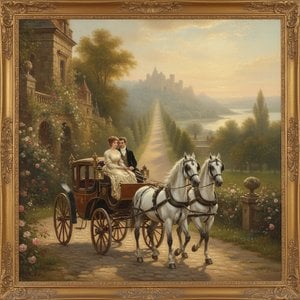
Embark on a visual journey through the romantic world of horse carriage art. Discover the mastery of equestrian oil paintings, from Impressionist textures to classical realism, and learn how to bring timeless elegance into your home with museum-quality reproductions.

Explore the profound beauty of equestrian art. From the realism of Meissonier to impressionistic studies, discover how master techniques capture the noble spirit of the horse in fine oil reproductions and custom commissions.

Explore the profound secrets of classical oil painting. From the delicate mastery of glazing to the dramatic depth of chiaroscuro, discover the timeless techniques used by Old Masters to create enduring, museum-quality masterpieces that capture light and emotion.


 效果预览
效果预览
 分享
分享 分享
分享
 详情
详情

 下载
下载
 相似作品
相似作品 X射线
X射线 幻灯片播放
幻灯片播放 Stats
Stats 展开详情
展开详情






































 玻璃选项仅适用于110厘米以下的尺寸。


