
博物馆级艺术微喷或帆布版画,制作高效,并提供多种饰面选择。 ( 订购此收藏品的纯手工复刻画作 切换至数字图像销售渠道)





























您可以从与原作比例一致的预设尺寸中进行选择。

您可以输入自定义尺寸,以适配特定的画框或空间。如果您选择的尺寸与原图比例不符,我们将对作品进行裁剪,或通过镜像填充/纯色填充边缘的方式来扩展图像。在开始制作之前,我们会向您发送一份数字效果图供您确认。
请注意,屏幕上的预览并不能反映实际的裁剪或扩展效果。只有效果图才能准确展示最终的构图。
虽然我们提供定制尺寸,但为了保持原图比例,我们建议您从预设列表中选择尺寸。
The Gendarmes
复刻品尺寸说明
James Ensor's "The Gendarmes," a powerfully evocative monochromatic etching, isn’t merely a depiction of a scene; it’s a carefully constructed tableau brimming with social commentary and unsettling psychological depth. Completed in 1888, this work immediately draws the viewer into a densely packed urban landscape – a chaotic confluence of soldiers, civilians, and an atmosphere thick with unspoken tension. The image, born from Ensor's unique perspective as a Belgian artist living in Ostend, reflects his fascination with masks, carnivals, and the darker aspects of human nature, all rendered through the meticulous precision of etching technique.
The composition itself is deliberately claustrophobic. Figures are layered upon one another, creating an almost suffocating sense of proximity. Linear perspective is subtly flattened, suggesting a stage-like presentation rather than a realistic portrayal of space – a deliberate choice that amplifies the feeling of observation and detachment. The soldiers, rendered with exaggerated features and a certain severity in their expressions, dominate the scene, embodying authority and order. Yet, even within this framework of control, there’s an undeniable undercurrent of unease, hinting at the potential for rebellion or dissent simmering beneath the surface.
Ensor's mastery lies in his command of etching. The work is executed with thick, expressive lines that define forms with remarkable clarity while simultaneously generating a rich textural quality. These aren’t delicate, refined lines; they possess a palpable energy, conveying the urgency and intensity of the scene. The monochromatic palette – primarily shades of grey – further enhances this effect, stripping away any distractions and focusing attention on the intricate details of the composition and the expressive power of the linework. The process itself—incising into a metal plate and then applying ink before pressing onto paper—is evident in the grainy texture that surfaces, lending the image a tactile quality that invites close examination.
Notably, Ensor employed gouache additions to the etching plate, subtly enhancing certain areas with color. This layering of techniques adds another layer of complexity and visual interest, particularly noticeable in the faces of some figures, where the use of color contributes to their psychological intensity. The careful control demonstrated in this process speaks volumes about Ensor’s artistic discipline and his ability to manipulate the etching medium to achieve a specific effect.
“The Gendarmes” is far more than just a snapshot of a street scene; it's a potent symbol of societal control and the anxieties of the late 19th century. The uniforms and weaponry of the soldiers immediately evoke notions of authority, law enforcement, and potentially, repression. However, Ensor doesn’t simply celebrate these symbols of order. Instead, he presents them within a context that suggests their potential for misuse or abuse. The watchful gaze of the gendarmes, coupled with the apprehensive expressions of the onlookers, hints at a power dynamic fraught with tension.
The presence of masks – a recurring motif in Ensor’s work – is particularly significant. They represent hidden identities, deception, and the performance of social roles. The scene itself can be interpreted as a commentary on the superficiality of appearances and the underlying anxieties of a rapidly changing society. Considering Ensor's upbringing amidst the spectacle of Ostend's carnival, it’s reasonable to suggest that this image reflects his lifelong engagement with themes of disguise and the unsettling nature of human behavior.
James Ensor stands as a pivotal figure in the development of both Expressionism and Surrealism. “The Gendarmes” exemplifies his unique artistic vision – a blend of realism, symbolism, and psychological intensity that continues to resonate with viewers today. His willingness to challenge conventional artistic norms and explore unsettling subject matter paved the way for future generations of artists who sought to express their inner worlds through unconventional means. Reproductions of this powerful etching offer a remarkable opportunity to experience firsthand the genius of James Ensor and to contemplate the enduring relevance of his profound social commentary.
建议将 詹姆斯·恩索尔 的《The Gendarmes》 打印为 Medium 大小,并采用 Landscape 构图。
《詹姆斯·恩索尔 的《The Gendarmes》》所传达的意境为Dramatic,其情感基调为Melancholic。
"The Gendarmes" 的创作者是 詹姆斯·恩索尔。该作品以 詹姆斯·恩索尔 的名义编入目录。
“The Gendarmes”现已推出亚麻画布手工绘制油画复制品。您可以在本页进行订购,并可自由选择多种尺寸。
您可以在作品的下载页面下载詹姆斯·恩索尔 的《The Gendarmes》的图像:高分辨率数字图像下载。
“The Gendarmes”可通过 采用棉质帆布或档案级画布纸制作的艺术版画 进行订购。您可以在 本页 选择心仪的尺寸进行下单。
詹姆斯·恩索尔 的《The Gendarmes》 记录的亮度为 Gentle Luminance。

詹姆斯·埃诺斯(1860年4月13日出生于奥斯坦德,比利时),是英国父亲和比利时母亲的儿子。这种文化双重可能预示着艺术家毕生对面具和伪装的热爱,这些主题将成为他令人震惊但又迷人的艺术作品的主导力量。在热闹的海滨小镇周围长大,年轻的詹姆斯深受卡尼农节气氛的影响,他的父母经营着一家充满贝壳、面具和异国情趣物品的纪念品店——一个真正的奇迹宝库,点燃了他的想象力并为他未来的艺术创作提供了丰富的视觉词汇。
埃诺斯早期的绘画反映了更传统的风格,描绘了日常生活场景,采用阴郁的色彩。例如,《俄罗斯音乐》(1881年)和《醉酒者》(1883年),展现了他对现实主义的初步天赋,但即使在这些早期作品中,也存在着令人不安图像的萌芽。一个关键转变发生在埃诺斯的色彩变得鲜艳和主题日益怪诞的过程中。他开始在画布上填充卡尼农节、骷髅、木偶和象征人物——一个充满幻想的世界,经常边缘于疯狂之间。这不仅仅是一种风格上的变化;它是对人类存在黑暗面的有意识的探索,是对社会规范的拒绝以及对非理性拥抱。
埃诺斯对艺术的态度并非传统审美主义者所追求的纯粹形式主义。他承认了来自大师们的影响,例如皮特·布鲁格尔长老,他的拥挤场景和道德说教风格与自己的愿景产生共鸣;此外,弗朗西斯科·戈雅对人类痛苦的不畏惧描绘也给埃诺斯艺术审美带来了深刻的印象。威斯斯勒强调了美学主义的重要性,这也在塑造埃诺斯的艺术感觉中发挥了一定的作用。
尽管埃诺斯拒绝简单分类,但他的艺术渊源复杂而迷人。他承认了来自大师们的影响,例如皮特·布鲁格尔长老,他的拥挤场景和道德说教风格与自己的愿景产生共鸣;此外,弗朗西斯科·戈雅对人类痛苦的不畏惧描绘也给埃诺斯艺术审美带来了深刻的印象。威斯斯勒强调了美学主义的重要性,这也在塑造埃诺斯的艺术感觉中发挥了一定的作用。
埃诺斯是一位开创性的艺术家,他大胆地挑战了艺术规范,为后人打开了道路。他的作品继续吸引着观众的目光,并探讨了人类状况的深度和黑暗面。尽管最初面临阻力,埃诺斯最终在晚年获得了认可,被国王阿尔伯特一世封为贵族,并在1933年获得荣誉军团勋章。他于1949年在奥斯坦德去世,留下了一系列作品,这些作品继续激发人们的想象力和热情。

1860 - 1949 , 比利时

Master the nuances of Giclée printing with our expert guide. Discover how pigment-based inks and museum-grade substrates create fade-resistant, high-fidelity art reproductions designed for discerning collectors seeking unparalleled quality and longevity.
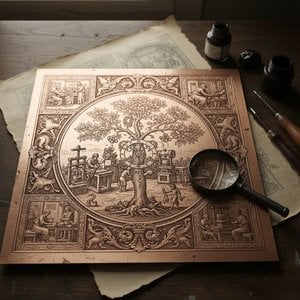
Explore the intricate world of etching and intaglio printmaking. Discover how masters use acid and metal to create profound textures and lines, from Romanticism to modern era, through an expert lens of art history and technical mastery.


 实景预览
实景预览
 发送
发送 分享
分享
 详情
详情 指南
指南

 下载图片
下载图片
 相似作品
相似作品 X射线
X射线 幻灯片播放
幻灯片播放 统计数据
统计数据

 阅读全文
阅读全文









 玻璃选项仅适用于110厘米以下的尺寸。


