
博物馆级艺术微喷或帆布版画,制作高效,并提供多种饰面选择。 ( 订购此收藏品的纯手工复刻画作 切换至数字图像销售渠道)





























您可以从与原作比例一致的预设尺寸中进行选择。

Type the width and the height you need, to fit your frame or your wall. A print can only be cut, never made bigger than the picture, so a size with a different shape loses a part of the image. We send you a digital mockup to approve before we print anything. The picture shown on this page does not show the real cut — only the mockup does.
The Dead Cockerel
复刻品尺寸说明
James Ensor's "The Dead Cockerel" isn’t merely a depiction of a deceased bird; it’s a meticulously constructed tableau brimming with unsettling beauty and profound symbolism. Created in 1888, this oil painting stands as a cornerstone of Expressionism, showcasing Ensor’s unique ability to distill intense emotion into a visually arresting composition. The scene unfolds on a dark table, dominated by the stark reality of a dead rooster – its plumage rendered in muted tones, a poignant contrast to the vibrant array of fruits surrounding it. This juxtaposition immediately establishes a tension between life and death, abundance and decay, a central theme that permeates the entire work.
Ensor’s masterful use of color is paramount. He employs a deliberately jarring palette – deep reds, yellows, and blues – to heighten the emotional impact. The apples, oranges, and grapes, rendered with meticulous detail, are not presented as symbols of simple bounty but rather as emblems of transience. Their ripeness hints at impending decay, mirroring the fate of the cockerel itself. The careful arrangement of these fruits, scattered across the table in a seemingly random yet deliberate manner, contributes to the painting’s unsettling atmosphere, drawing the viewer into its complex narrative.
“The Dead Cockerel” is deeply rooted in the principles of Expressionism, a movement that sought to convey subjective emotions rather than objective reality. Ensor, a pioneer of this style, rejected academic conventions in favor of bold brushstrokes, distorted forms, and an intensely personal vision. Notice how the rooster isn’t depicted with anatomical accuracy; its form is simplified, almost skeletal, emphasizing its vulnerability and mortality. The artist's deliberate use of impasto – thick layers of paint applied directly to the canvas – further enhances the painting’s tactile quality and contributes to its overall sense of drama.
Furthermore, Ensor’s background in theatrical design is evident in the painting’s staged quality. It resembles a still life from a macabre performance, reminiscent of carnival scenes he witnessed as a child. The inclusion of masks – though not explicitly visible – echoes his lifelong fascination with disguise and identity, suggesting that beneath the surface of appearances lies a darker, more unsettling truth. The overall effect is one of controlled chaos, mirroring the anxieties and uncertainties of modern life.
Beyond its aesthetic qualities, “The Dead Cockerel” operates as a sophisticated vanitas still life – a genre traditionally associated with Dutch Golden Age painting. Vanitas paintings served as reminders of mortality and the fleeting nature of earthly pleasures. Here, the dead cockerel functions as the ultimate symbol of this transience, while the fruits represent the ephemeral beauty of life. The inclusion of elements like the hanging rope (suggesting execution) adds another layer of symbolic weight, reinforcing the painting’s meditation on death and decay.
James Ensor's exploration of mortality is particularly poignant given his own personal struggles with illness and loss throughout his life. The painting can be interpreted as a reflection of his anxieties about aging, vulnerability, and the inevitability of death. However, despite its somber subject matter, “The Dead Cockerel” isn’t simply a morbid depiction of decay; it's also imbued with a strange beauty and a sense of quiet contemplation. It invites us to confront our own mortality and appreciate the preciousness of each fleeting moment.
WahooArt offers meticulously crafted, hand-painted reproductions of James Ensor’s “The Dead Cockerel,” capturing the artist's unique style and emotional intensity with unparalleled fidelity. Each reproduction is created by skilled artisans using archival-quality materials, ensuring that it will retain its beauty and vibrancy for generations to come. Whether you are an art collector, a design enthusiast, or simply someone seeking a captivating piece of art to adorn your home, a WahooArt reproduction of “The Dead Cockerel” is a stunning addition to any collection. Explore our selection today and bring this haunting masterpiece into your world.
通过作品的 AR 预览 页面,您可以在兼容设备上使用增强现实技术,在自己的墙面上预览 詹姆斯·恩索尔 的《The Dead Cockerel》。
詹姆斯·恩索尔 的《The Dead Cockerel》 推荐用于 Statement,理想的摆放空间为 Living Room。通过结合使用场景与空间布局,可以更好地确定复制品的陈列位置。
"The Dead Cockerel" is available as 采用棉质帆布或档案级画布纸制作的艺术版画. Orders are placed on its Fine Art Print page, in the size of your choice.

詹姆斯·埃诺斯(1860年4月13日出生于奥斯坦德,比利时),是英国父亲和比利时母亲的儿子。这种文化双重可能预示着艺术家毕生对面具和伪装的热爱,这些主题将成为他令人震惊但又迷人的艺术作品的主导力量。在热闹的海滨小镇周围长大,年轻的詹姆斯深受卡尼农节气氛的影响,他的父母经营着一家充满贝壳、面具和异国情趣物品的纪念品店——一个真正的奇迹宝库,点燃了他的想象力并为他未来的艺术创作提供了丰富的视觉词汇。
埃诺斯早期的绘画反映了更传统的风格,描绘了日常生活场景,采用阴郁的色彩。例如,《俄罗斯音乐》(1881年)和《醉酒者》(1883年),展现了他对现实主义的初步天赋,但即使在这些早期作品中,也存在着令人不安图像的萌芽。一个关键转变发生在埃诺斯的色彩变得鲜艳和主题日益怪诞的过程中。他开始在画布上填充卡尼农节、骷髅、木偶和象征人物——一个充满幻想的世界,经常边缘于疯狂之间。这不仅仅是一种风格上的变化;它是对人类存在黑暗面的有意识的探索,是对社会规范的拒绝以及对非理性拥抱。
埃诺斯对艺术的态度并非传统审美主义者所追求的纯粹形式主义。他承认了来自大师们的影响,例如皮特·布鲁格尔长老,他的拥挤场景和道德说教风格与自己的愿景产生共鸣;此外,弗朗西斯科·戈雅对人类痛苦的不畏惧描绘也给埃诺斯艺术审美带来了深刻的印象。威斯斯勒强调了美学主义的重要性,这也在塑造埃诺斯的艺术感觉中发挥了一定的作用。
尽管埃诺斯拒绝简单分类,但他的艺术渊源复杂而迷人。他承认了来自大师们的影响,例如皮特·布鲁格尔长老,他的拥挤场景和道德说教风格与自己的愿景产生共鸣;此外,弗朗西斯科·戈雅对人类痛苦的不畏惧描绘也给埃诺斯艺术审美带来了深刻的印象。威斯斯勒强调了美学主义的重要性,这也在塑造埃诺斯的艺术感觉中发挥了一定的作用。
埃诺斯是一位开创性的艺术家,他大胆地挑战了艺术规范,为后人打开了道路。他的作品继续吸引着观众的目光,并探讨了人类状况的深度和黑暗面。尽管最初面临阻力,埃诺斯最终在晚年获得了认可,被国王阿尔伯特一世封为贵族,并在1933年获得荣誉军团勋章。他于1949年在奥斯坦德去世,留下了一系列作品,这些作品继续激发人们的想象力和热情。

1860 - 1949 , 比利时

探索詹姆斯·惠斯勒25幅杰作!深入了解夜曲、静谧和谐等经典油画背后的故事与艺术魅力。WahooArt.com提供博物馆级复制品,为您的家居带来永恒之美。立即在线探索完整系列!

Explore the profound world of Clyfford Still's Abstract Expressionism with WahooArt. Discover his unique style, existential themes & investment potential. Expert analysis for discerning collectors.
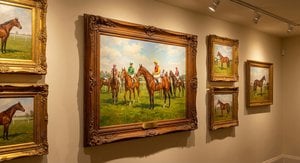
Explore 25 iconic Sir Alfred Munnings paintings! Discover the beauty of British Impressionism, equine art & rural England. Find museum-quality reproductions and elevate your home decor with WahooArt. Explore the full collection online.

Explore the rich history of still life painting with WahooArt. Discover Dutch Masters, decode vanitas symbolism & learn about collecting timeless art. Expert insights and museum-quality reproductions.

Explore the unsettling yet captivating world of James Ensor, a pioneer of Expressionism. Discover his satirical masterpieces, symbolic imagery & lasting influence on modern art. High-quality reproductions available at WahooArt.


 实景预览
实景预览
 发送
发送 分享
分享
 详情
详情 指南
指南

 下载图片
下载图片
 相似作品
相似作品 X射线
X射线 幻灯片播放
幻灯片播放 统计数据
统计数据

 阅读全文
阅读全文









 玻璃选项仅适用于110厘米以下的尺寸。


