
由我们的艺术家按需定制,为您提供您所选尺寸及画框的布面手工油画。 ( 切换至版画销售渠道 切换至数字图像销售渠道)





























您可以从与原作比例一致的预设尺寸中进行选择。

请输入您需要的宽度和高度,以适配您的画框或墙面。由于作品为手工绘制,若选择不同比例的尺寸,艺术家可能会在画面边缘多画一些或稍作裁剪 —— 由您决定。在开始绘画之前,我们会为您发送一份数字效果图供您确认。本页面上展示的图片并非最终实物 —— 只有效果图才能反映真实结果。
Les Peches
复刻品尺寸
James Ensor’s *Les Peches* (The Deadly Sins) is not merely a still life; it’s a profoundly unsettling exploration of human nature, rendered with the artist’s signature blend of meticulous observation and deeply personal symbolism. Painted around 1904, this work exemplifies Ensor's unique approach to depicting everyday objects – in this case, a collection of fruit – as vehicles for psychological and spiritual commentary. The composition immediately draws the viewer into a space of quiet unease, dominated by the dark palette and the subtly distorted forms that characterize much of Ensor’s oeuvre. The arrangement of the apples, oranges, and bananas, seemingly casually placed on the table, feels deliberately staged, hinting at a narrative beyond simple representation.
Ensor’s masterful use of color contributes significantly to the painting's emotional impact. The dominant tones are muted browns, greens, and blacks, creating a sense of gloom and decay. This somber palette is not accidental; it reflects Ensor’s preoccupation with themes of mortality, sin, and psychological distress. The fruit itself – particularly the slightly bruised apple – can be interpreted as a symbol of temptation and corruption, echoing the biblical reference to “the deadly sins.” The arrangement of the fruits isn't naturalistic; instead, they seem deliberately positioned to heighten the sense of unease and foreboding. Notice the subtle distortions in their forms, adding to the overall feeling of disquiet.
Ensor employed a meticulous technique, evident in the detailed rendering of each fruit and the careful construction of the composition. His brushwork is precise yet expressive, conveying both realism and emotional intensity. While influenced by Impressionism's focus on light and color, Ensor quickly moved beyond its limitations, developing his own intensely personal style. He was also deeply affected by the work of Gustave Moreau, another Symbolist painter known for his opulent and dreamlike imagery. However, unlike Moreau’s often fantastical scenes, Ensor’s work is grounded in a palpable sense of anxiety and psychological realism. The inclusion of vases and a potted plant adds to the overall composition, suggesting a domestic setting that feels strangely sterile and unsettling.
*Les Peches* stands as a pivotal work within James Ensor’s artistic trajectory. Created during a period of significant social and intellectual upheaval in Europe – marked by anxieties surrounding industrialization, urbanization, and the decline of traditional values – the painting reflects these concerns through its exploration of darker themes. Ensor's unflinching portrayal of human vulnerability and his willingness to confront uncomfortable truths cemented his reputation as one of the most important and influential artists of the Symbolist movement. His work continues to resonate with viewers today, offering a powerful meditation on the complexities of the human condition.
您可以在 高分辨率数字图像 页面直接购买 “Les Peches” 的 高分辨率数字图像下载。
就视觉亮度而言,詹姆斯·恩索尔 的《Les Peches》 呈现出 brilliant 的效果。
詹姆斯·恩索尔 的《Les Peches》 的 X 光视图可在作品的 X射线透视 页面查看:通过十一层光学图层对图像进行交互式深度解析。
詹姆斯·埃诺斯(1860年4月13日出生于奥斯坦德,比利时),是英国父亲和比利时母亲的儿子。这种文化双重可能预示着艺术家毕生对面具和伪装的热爱,这些主题将成为他令人震惊但又迷人的艺术作品的主导力量。在热闹的海滨小镇周围长大,年轻的詹姆斯深受卡尼农节气氛的影响,他的父母经营着一家充满贝壳、面具和异国情趣物品的纪念品店——一个真正的奇迹宝库,点燃了他的想象力并为他未来的艺术创作提供了丰富的视觉词汇。
埃诺斯早期的绘画反映了更传统的风格,描绘了日常生活场景,采用阴郁的色彩。例如,《俄罗斯音乐》(1881年)和《醉酒者》(1883年),展现了他对现实主义的初步天赋,但即使在这些早期作品中,也存在着令人不安图像的萌芽。一个关键转变发生在埃诺斯的色彩变得鲜艳和主题日益怪诞的过程中。他开始在画布上填充卡尼农节、骷髅、木偶和象征人物——一个充满幻想的世界,经常边缘于疯狂之间。这不仅仅是一种风格上的变化;它是对人类存在黑暗面的有意识的探索,是对社会规范的拒绝以及对非理性拥抱。
埃诺斯对艺术的态度并非传统审美主义者所追求的纯粹形式主义。他承认了来自大师们的影响,例如皮特·布鲁格尔长老,他的拥挤场景和道德说教风格与自己的愿景产生共鸣;此外,弗朗西斯科·戈雅对人类痛苦的不畏惧描绘也给埃诺斯艺术审美带来了深刻的印象。威斯斯勒强调了美学主义的重要性,这也在塑造埃诺斯的艺术感觉中发挥了一定的作用。
尽管埃诺斯拒绝简单分类,但他的艺术渊源复杂而迷人。他承认了来自大师们的影响,例如皮特·布鲁格尔长老,他的拥挤场景和道德说教风格与自己的愿景产生共鸣;此外,弗朗西斯科·戈雅对人类痛苦的不畏惧描绘也给埃诺斯艺术审美带来了深刻的印象。威斯斯勒强调了美学主义的重要性,这也在塑造埃诺斯的艺术感觉中发挥了一定的作用。
埃诺斯是一位开创性的艺术家,他大胆地挑战了艺术规范,为后人打开了道路。他的作品继续吸引着观众的目光,并探讨了人类状况的深度和黑暗面。尽管最初面临阻力,埃诺斯最终在晚年获得了认可,被国王阿尔伯特一世封为贵族,并在1933年获得荣誉军团勋章。他于1949年在奥斯坦德去世,留下了一系列作品,这些作品继续激发人们的想象力和热情。

1860 - 1949 , 比利时

Master the nuances of Giclée printing with our expert guide. Discover how pigment-based inks and museum-grade substrates create fade-resistant, high-fidelity art reproductions designed for discerning collectors seeking unparalleled quality and longevity.
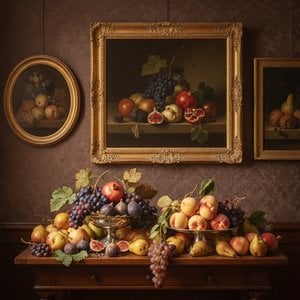
Discover the profound beauty of fruit still life paintings. Explore the rich symbolism, Baroque mastery, and timeless allure of nature's bounty through an art-historical lens, perfect for collectors and enthusiasts of classical fine art.

Explore the profound beauty of fruit arrangement masterpieces. From Dutch Golden Age opulence to Baroque chiaroscuro, discover the art history, symbolism, and timeless elegance of classical still life paintings for the discerning collector.

WahooArt 为追求卓越生活的您提供全球顶尖的艺术收藏方案。我们专注于博物馆级手绘油画复刻与私人肖像定制,由资深艺术家匠心重塑经典,将像素转化为触手可及的传世珍品。凭借专业的艺术咨询、严苛的品质管控及全球无忧配送,我们助力您在居所中构建永恒的审美传承与家族精神遗产。


 实景预览
实景预览
 分享
分享 分享
分享
 详情
详情 指南
指南

 下载作品
下载作品
 相似作品
相似作品 X射线
X射线 幻灯片播放
幻灯片播放 Q&A
Q&A 统计数据
统计数据

 展开全文
展开全文









 玻璃选项仅适用于110厘米以下的尺寸。


