
博物馆级艺术微喷或帆布版画,制作高效,并提供多种饰面选择。 ( 订购纯手工绘制画作 切换至数字图像销售渠道)





























您可以从与原作比例一致的预设尺寸中进行选择。

请输入您所需的宽度和高度,以适配您的画框或墙面。由于印刷品只能进行裁剪,无法超出原图尺寸,因此若比例不一致,画面的一部分将会被裁切。在正式印刷之前,我们会为您发送一份数字效果图供您确认。本页面显示的图片并非最终裁剪后的效果——只有效果图才能展示真实的裁剪情况。
James Ensor Portrait d' Eugene Demolder
复刻品尺寸
James Ensor’s “Portrait d’Eugene Demolder,” painted circa 1906, stands as a cornerstone of Expressionist art—a haunting meditation on identity, social observation, and the pervasive influence of psychological anxieties. More than just a likeness of a man, it's an embodiment of Ensor’s signature stylistic approach: meticulously crafted detail juxtaposed with deliberately jarring distortions that unsettle the viewer’s gaze.
Symbolism & Emotional Impact: The scarlet robe is arguably the painting’s most potent symbol. Traditionally associated with royalty and religious authority, its presence here feels incongruous—almost grotesque—suggesting a deliberate disruption of established hierarchies and hinting at an underlying sense of unease. Ensor's masterful use of color contributes significantly to this emotional resonance; the crimson hue pulsates with unsettling vibrancy, mirroring the psychological turmoil depicted within.
Furthermore, the inclusion of secondary figures – a man holding a bowl and another reading—adds layers of narrative complexity. They serve as silent witnesses to Demolder’s presence, reinforcing the idea that he is not merely an individual but also part of a larger social tableau. Ensor's gaze directs our attention outwards, prompting contemplation on the role of individuals within society and the inescapable influence of external forces on human experience.
A reproduction of “Portrait d’Eugene Demolder” offers more than just visual beauty; it invites viewers to engage in a dialogue with Ensor’s artistic vision—a vision rooted in psychological depth, social critique, and an unwavering commitment to confronting uncomfortable truths. WahooArt presents exceptional quality reproductions that capture the essence of this iconic masterpiece.
詹姆斯·恩索爾 的《James Ensor Portrait d' Eugene Demolder》 的记录数值为:亮度 bright,亮度感 Gentle Luminance。
您可以在詹姆斯·恩索爾 的《James Ensor Portrait d' Eugene Demolder》的艺术版画页面直接订购其版画:采用棉质帆布或档案级画布纸制作的艺术版画。
"James Ensor Portrait d' Eugene Demolder" 可供下载:您可以在该作品的 下载数字图像 页面进行 高分辨率数字图像下载。

1860年4月13日,詹姆斯·恩索出生于比利时奥斯坦德。他的身份认同植根于一种独特的文化交汇之中:他的父亲詹姆斯·弗雷德里克·恩索出生于布鲁塞尔,拥有英国血统,而他的母亲玛丽亚·卡瑟琳娜·海格曼则是地道的比利时人。这种双重文化遗产为他奠定了独特的视角,使他的艺术视野往往能够跳脱出当地传统的狭隘束缚。在成长的岁月中,这位艺术家生活在父母于奥斯坦德经营的一家纪念品店里。这个环境不仅仅是他的居所,更是一个充斥着奇异与装饰之物的宝库。店内堆满了贝壳、狂欢节面具以及各种奇形怪状的物件,这些视觉元素为他日后艺术创作的语言提供了极其丰富的养分。
他的艺术正式教育是一个不断摸索与尝试的过程。在进入学院体制化的学习环境之前,他首先在两位当地画家的指导下开始了艺术启蒙。这些早期的训练为他提供了扎实的技术基础,而他后来正是利用这些技巧进行大胆的解构与扭曲。从1877年到1880年,他就读于布鲁塞尔的皇家美术学院。即便是在这些严谨的学院围墙之内,他的兴趣点也始终与学院刻板的教条格格不入。他从未想过成为平庸现状的追随者,他真正的老师,其实是那些环绕在他身边的奥斯坦德奇珍异宝。
詹姆斯·恩索早期的创作尚未展现出其成熟时期那种标志性的心理张力。在《俄罗斯音乐》(1881年)和《醉酒者》》(1883年)等作品中,他仍是在一种忧郁且写实的框架内进行创作。这些构图依赖于沉稳的色调和对日常生活的传统描绘,展现了一位艺术家在视觉语言发生剧变之前,如何被现实主义的沉重感所束缚。然而,随着题材变得愈发怪诞,他最终抛弃了这种克制,转而拥抱一种色彩极其鲜艳的调色板。
这种向怪诞风格的转向,源于他对面具的一种特殊痴迷。他被家族纪念品店里那些狂欢节面具的造型感与浓烈色彩深深吸引。这些物件并非单纯的道具,而是成为了他美学核心的一部分。他将面具融入静物画中,为画面引入了一种戏剧性的特质,利用它们来打破场景的日常平庸。这种向非理性领域的迈进,使他得以超越简单的写实表现,进入一个充满心理张力的精神空间。
詹姆斯·恩索对面具与怪诞事物的痴迷,为我们提供了一扇窥视现代主义时代心理张力的窗口。在《被激怒的面具》(1883年)中,他展现了对伪装力量的早期探索,通过狂欢节这一母题,剥离了社会虚伪的表象。这种对戏剧性与不安感的迷恋,并非仅仅是一种风格上的选择,而是一种探索身份认同的手段。而在他1882年的作品《食蚝者》中,则展现了他处理光影与色彩的另一重维度,画中描绘了他的妹妹米切,其呈现出的场景在当时挑战了安特卫普沙龙保守的审美趣味。这幅画作遭到主流艺术界的排斥,恰恰凸显了他的艺术愿景与那个时代僵化规范之间的剧烈摩擦。
随着艺术风格向更具侵略性、更具表现力的形式转变,这种演变在他在宏大构图中的表现尤为显著。《基督进入布鲁塞尔》(1888-1889年)堪称20世纪表现主义的先驱,他利用一场混乱且色彩鲜艳的怪诞人物游行,对现代社会进行了辛辣的讽刺。这种对存在主义挣扎的探讨,在《忧伤之子》(1891年)中得到了进一步升华;这幅油画将基督的受难与日本能剧面具那令人震撼的视觉意象结合在一起。这些作品揭示了艺术家如何利用宗教与寓言主题,来表达对人类行为及社会冷漠的深层愤懑。
死亡的必然性与存在的荒诞感始终贯穿于他的创作核心。《为吊死者争斗的骷髅》(1891年)通过骷髅形象,直面观众关于腐朽与死亡的残酷现实。这些关于罪孽、诱惑以及表象脆弱性的反复探讨,确保了他的作品始终是极具研究价值的课题。詹姆斯·恩索能够将这些黑暗且往往令人不安的真相,转化为一种连贯且具有冲击力的视觉语言,这正是他在向现代主义转型过程中所做出的卓越贡献。
詹姆斯·恩索在国际各大艺术收藏机构中的身影,无不印证着他对现代主义发展所产生的深远影响。在安特卫普,皇家美术馆珍藏着两件具有里程碑意义的作品:忧伤之子与食蚝者。这两件杰作展现了这位艺术家惊人的技术跨度,他能游刃有成地在宗教性的紧张感与平凡的家庭生活场景之间自由切换。他的影响力跨越了大西洋,在纽约市的现代艺术博物馆中,人们依然可以瞻仰圣安东尼的苦难。这件作品始终是其艺术风格转向怪诞与心理深度探索的典型范例。
恩索笔下的意象具有一种全球性的穿透力。位于洛杉矶的盖蒂中心收藏有基督进入布鲁塞尔,这是一幅宏大的构图,捕捉到了他最为激进的社会批判精神。与此同时,在沃斯堡的金贝尔美术馆,则保存着取暖的骷髅。这些散布于世界各地的艺术瑰宝,确保了他那拒绝墨守成规、打破学院派传统的视觉语言,能够持续触动全球学者与艺术观察者的心灵。

1860 - 1949 , 比利時

Explore 25 iconic James Ensor masterpieces, from masks to the grotesque. Discover the full collection online at WahooArt.com.

Explore 25 iconic masterpieces from Brussels' Royal Museums. From Old Masters to Surrealism, discover the collection on WahooArt.com.

Explore the unsettling yet captivating world of James Ensor, a pioneer of Expressionism. Discover his satirical masterpieces, symbolic imagery & lasting influence on modern art. High-quality reproductions available at WahooArt.

Explore the profound psychological depth of Expressionist portraiture. From Munch to Schiele, discover how distorted forms and visceral brushstrokes unmask raw human emotion in this definitive guide for art enthusiasts and collectors.
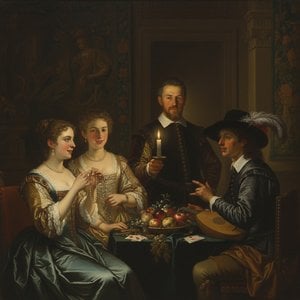
Explore the captivating world of Gerard van Honthorst, a Dutch Golden Age master renowned for his dramatic chiaroscuro & courtly portraits. Discover his life, art, and lasting influence on Baroque painting.

 实景预览
实景预览
 分享
分享 分享
分享
 详情
详情 指南
指南

 下载作品
下载作品
 相似作品
相似作品 X射线
X射线 幻灯片播放
幻灯片播放 问答
问答
 统计数据
统计数据

 展开全文
展开全文









 玻璃选项仅适用于110厘米以下的尺寸。


![Legend Of St Francis - [11] - St Francis Before The Sultan (trial By Fire) — 喬托·迪·邦多內, Proto-renaissance](/media/artworks/images-thumb/0d/32/0d328acfb6c90f7ef32707586e86044b.jpg)


