
博物馆级艺术微喷或帆布版画,制作高效,并提供多种饰面选择。 ( 购买手绘画作 切换至数字图像销售渠道)





























从与原作比例一致的预设尺寸中进行选择。

您可以输入自定义尺寸,以适配特定的画框或空间。如果您选择的尺寸与原图比例不符,我们将对作品进行裁剪,或通过镜像填充/纯色填充边缘的方式来扩展图像。在开始制作之前,我们会向您发送一份数字效果图供您确认。
请注意,屏幕上的预览并不能反映实际的裁剪或扩展效果。只有效果图才能准确展示最终的构图。
虽然我们提供定制尺寸,但为了保持原图比例,我们建议您从预设列表中选择尺寸。

Hop-Frog's Revenge
复制品尺寸
James Ensor’s “Hop-Frog’s Revenge” (La Vengeance de Hop-Frog), painted in 1896, isn't merely a depiction of a Poe story; it’s an immersive plunge into the grotesque heart of human cruelty and theatrical excess. The painting, now meticulously reproduced on hand-painted canvases by WahooArt.com, immediately confronts the viewer with a scene of shocking spectacle – a man dangling from chains before a captivated, yet horrified, audience. This isn't a polite portrait; it’s a carefully constructed nightmare rendered in Ensor’s signature style: a jarring blend of realism and surrealism, populated by masked figures and unsettling details that linger long after the initial viewing.
Ensor, born in Ostend, Belgium, in 1860, possessed an innate fascination with disguise and the hidden anxieties beneath societal facades. His childhood spent amidst the vibrant chaos of his parents’ souvenir shop – a repository of carnival masks, exotic objects, and theatrical props – profoundly shaped his artistic vision. This early exposure to the world of performance, illusion, and the unsettling beauty of the macabre is powerfully evident in “Hop-Frog.” The painting feels less like a straightforward illustration and more like a stage set itself, brimming with unspoken drama and simmering resentment.
The story upon which Ensor based his work, Edgar Allan Poe’s chilling tale of revenge, centers on a dwarf jester named Hop-Frog who, after years of being subjected to relentless mockery and abuse by the king and his court, orchestrates a spectacularly brutal retribution. Ensor doesn't shy away from the story’s darkest elements; instead, he amplifies them with his characteristic use of symbolism and distorted perspective. The central figure, suspended in chains, embodies not just Hop-Frog’s suffering but also the vulnerability of those subjected to unchecked power. The audience, a diverse collection of masked figures, represents the complicit masses – those who revel in spectacle while remaining blind to injustice.
The meticulous detail with which Ensor renders each face is particularly striking. Each mask—a grotesque caricature of human expression—suggests hidden identities and concealed emotions. The vibrant colors, a hallmark of Ensor’s palette, contribute to the painting's unsettling atmosphere. Crimson reds dominate, symbolizing blood and violence, while contrasting blues and greens hint at decay and corruption. This deliberate use of color elevates the scene beyond mere narrative illustration, transforming it into a potent visual metaphor for societal ills.
“Hop-Frog’s Revenge” is executed primarily through etching and drypoint with additions of colored pencil and watercolor. This technique lends the image a remarkable depth and texture, capturing both the sharp lines of the figures and the subtle nuances of light and shadow. The use of drypoint creates a distinctive tonal range, adding to the painting's dramatic effect. The composition itself is carefully orchestrated – the diagonal thrust of the hanging figure draws the eye directly to the center of the scene, while the surrounding crowd serves as a visual vortex, pulling the viewer into the unfolding drama.
Beyond its immediate depiction of revenge, “Hop-Frog” operates on multiple symbolic levels. The masquerade ball represents the hypocrisy and superficiality of courtly life, where appearances are carefully constructed to conceal darker realities. The burning figures symbolize the destruction of those who abuse their power, while Hop-Frog’s torch serves as a potent emblem of retribution. Ensor's work is a scathing critique of authority, social injustice, and the dangers of unchecked ambition – themes that resonate powerfully even today.
WahooArt.com offers exquisite hand-painted reproductions of “Hop-Frog’s Revenge,” allowing you to experience the full impact of Ensor's masterful vision in a timeless and captivating work of art. Bring this unsettling masterpiece into your home or office – a reminder that even within the most elaborate theatrical displays, the shadows of cruelty and injustice often lurk beneath the surface.

詹姆斯·埃诺斯(1860年4月13日出生于奥斯坦德,比利时),是英国父亲和比利时母亲的儿子。这种文化双重可能预示着艺术家毕生对面具和伪装的热爱,这些主题将成为他令人震惊但又迷人的艺术作品的主导力量。在热闹的海滨小镇周围长大,年轻的詹姆斯深受卡尼农节气氛的影响,他的父母经营着一家充满贝壳、面具和异国情趣物品的纪念品店——一个真正的奇迹宝库,点燃了他的想象力并为他未来的艺术创作提供了丰富的视觉词汇。
埃诺斯早期的绘画反映了更传统的风格,描绘了日常生活场景,采用阴郁的色彩。例如,《俄罗斯音乐》(1881年)和《醉酒者》(1883年),展现了他对现实主义的初步天赋,但即使在这些早期作品中,也存在着令人不安图像的萌芽。一个关键转变发生在埃诺斯的色彩变得鲜艳和主题日益怪诞的过程中。他开始在画布上填充卡尼农节、骷髅、木偶和象征人物——一个充满幻想的世界,经常边缘于疯狂之间。这不仅仅是一种风格上的变化;它是对人类存在黑暗面的有意识的探索,是对社会规范的拒绝以及对非理性拥抱。
埃诺斯对艺术的态度并非传统审美主义者所追求的纯粹形式主义。他承认了来自大师们的影响,例如皮特·布鲁格尔长老,他的拥挤场景和道德说教风格与自己的愿景产生共鸣;此外,弗朗西斯科·戈雅对人类痛苦的不畏惧描绘也给埃诺斯艺术审美带来了深刻的印象。威斯斯勒强调了美学主义的重要性,这也在塑造埃诺斯的艺术感觉中发挥了一定的作用。
尽管埃诺斯拒绝简单分类,但他的艺术渊源复杂而迷人。他承认了来自大师们的影响,例如皮特·布鲁格尔长老,他的拥挤场景和道德说教风格与自己的愿景产生共鸣;此外,弗朗西斯科·戈雅对人类痛苦的不畏惧描绘也给埃诺斯艺术审美带来了深刻的印象。威斯斯勒强调了美学主义的重要性,这也在塑造埃诺斯的艺术感觉中发挥了一定的作用。
埃诺斯是一位开创性的艺术家,他大胆地挑战了艺术规范,为后人打开了道路。他的作品继续吸引着观众的目光,并探讨了人类状况的深度和黑暗面。尽管最初面临阻力,埃诺斯最终在晚年获得了认可,被国王阿尔伯特一世封为贵族,并在1933年获得荣誉军团勋章。他于1949年在奥斯坦德去世,留下了一系列作品,这些作品继续激发人们的想象力和热情。

1860 - 1949 , 比利时

Discover the breathtaking equestrian mastery of Sir Alfred James Munnings. Explore an art-history journey through his impressionistic captures of motion, light, and rural elegance, perfect for the discerning classic art enthusiast and collector.
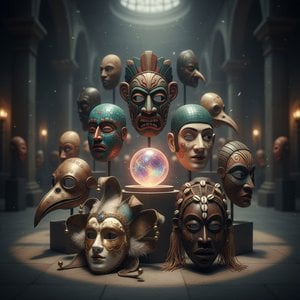
Embark on a profound journey through the world's most iconic mask artworks. Explore the spiritual depth, intricate craftsmanship, and rich cultural heritage of global traditions, from Chhau to Gomira, in this expert-led exploration of ancestral artistry and symbolic beauty.


 效果预览
效果预览
 分享
分享 分享
分享
 详情
详情

 下载
下载
 相似作品
相似作品 X射线
X射线 幻灯片播放
幻灯片播放 统计数据
统计数据

 展开详情
展开详情









 玻璃选项仅适用于110厘米以下的尺寸。


