
博物馆级艺术微喷或帆布版画,制作高效,并提供多种饰面选择。 ( 购买手绘画作 切换至数字图像销售渠道)





























从与原作比例一致的预设尺寸中进行选择。

您可以输入自定义尺寸,以适配特定的画框或空间。如果您选择的尺寸与原图比例不符,我们将对作品进行裁剪,或通过镜像填充/纯色填充边缘的方式来扩展图像。在开始制作之前,我们会向您发送一份数字效果图供您确认。
请注意,屏幕上的预览并不能反映实际的裁剪或扩展效果。只有效果图才能准确展示最终的构图。
虽然我们提供定制尺寸,但为了保持原图比例,我们建议您从预设列表中选择尺寸。

Comité Américain pour les Régions Dévastées de la France
复制品尺寸
James Earle Fraser’s “Comité Américain pour les Régions Dévastées de la France” is more than a bronze medallion; it's a poignant artifact of a specific historical moment and a testament to the enduring spirit of human compassion. Created in 1919, amidst the immediate aftermath of World War I, this striking piece captures a pivotal chapter in transatlantic relations – the American response to the devastation inflicted upon France by years of brutal conflict. The medallion’s central figure, a stylized bird poised with outstretched wings, immediately evokes the imagery of a phoenix rising from the ashes, symbolizing rebirth and hope amidst profound loss. This isn't merely a depiction of a bird; Fraser masterfully imbues it with an air of dignified strength, suggesting resilience and the promise of recovery.
The intricate embossed details—the carefully rendered feathers, the subtle curve of the beak, the powerful stance—speak volumes about Fraser’s technical skill. The bronze itself, chosen for its durability and ability to capture fine detail, lends a weighty gravitas to the image. Beyond the purely aesthetic qualities, the medallion's design is deeply symbolic. The bird, often associated with divinity and renewal, represents the American commitment to aiding France in rebuilding its shattered nation. Surrounding the central figure are lines of French text – “COMITE AMERICAIN POUR LES REGIONS DEVASTEE DE LA FRANCE” – a clear declaration of purpose and affiliation, grounding the artwork within its specific historical context. The inclusion of the date "1919" serves as a vital marker, anchoring the piece to this crucial period of reconstruction and international aid.
James Earle Fraser’s artistic journey is inextricably linked to the spirit of the American West. Born in Winona, Minnesota, in 1876, his childhood was profoundly shaped by his family's connection to the frontier – his father an engineer involved in the westward expansion and his mother tracing her lineage back to the Pilgrims. This unique heritage instilled within him a deep appreciation for both the rugged beauty of the American landscape and the complex history of its people. Fraser’s early exposure to Native American culture, fostered through friendships with local children, profoundly influenced his artistic vision, informing his later works with a nuanced understanding of indigenous traditions.
Fraser's apprenticeship under Augustus Saint-Gaudens proved formative, solidifying his commitment to realism and shaping his distinctive style. However, it was Fraser’s own experiences – particularly his involvement in the American Committee for Devastated France – that truly cemented his place as a significant artist of the 20th century. This commission wasn't simply about creating a commemorative medal; it demanded an understanding of human suffering and a commitment to humanitarian action. His ability to translate these complex emotions into a single, powerful image is a testament to his artistic talent and his empathy for others.
The “Comité Américain pour les Régions Dévastées de la France” itself represents a remarkable chapter in transatlantic history. Established in 1919, the committee was formed by Anne Morgan and her friend Anne Murray Dike to provide aid and support to the French regions ravaged by World War I. The devastation was immense – entire towns were reduced to rubble, infrastructure lay in ruins, and countless lives had been lost. The American Committee’s efforts focused on providing essential supplies, rebuilding homes, and offering psychological support to the displaced population.
Fraser's medallion serves as a visual representation of this vital mission. It’s not just a symbol of American generosity; it’s a reminder of the immense challenges faced by France in its recovery process. The choice of a bird, a universal emblem of hope and renewal, underscores the committee’s belief that even from the depths of despair, a brighter future could be built. The medallion's creation coincided with a period of intense international cooperation as nations sought to rebuild Europe after the horrors of war – a testament to the enduring power of human connection and shared responsibility.
Today, reproductions of “Comité Américain pour les Régions Dévastées de la France” offer art enthusiasts and collectors a tangible link to this significant historical moment. WahooArt.com provides high-quality reproductions that faithfully capture the intricate details and powerful symbolism of Fraser’s original work. Whether displayed in a private collection or incorporated into an interior design scheme, this medallion serves as a poignant reminder of resilience, compassion, and the enduring spirit of international cooperation. Its historical significance, combined with Fraser's masterful artistry, makes it a truly exceptional piece for any discerning collector.

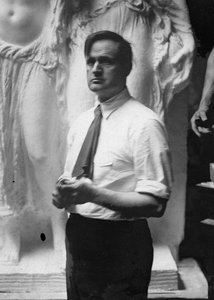
1876 - 1953 , 美国

Explore the profound beauty of American Regionalism. Delve into the art history of Grant Wood and John Steuart Curry, uncovering how these masters captured the soul of the American Heartland through iconic landscapes and rural identity.

Explore the profound beauty of American art history. From the Hudson River School to iconic landscapes, discover a curated journey through the masterpieces that defined a nation's spirit and the enduring legacy of American Romanticism.


 效果预览
效果预览
 分享
分享 分享
分享
 详情
详情 指南
指南

 下载
下载
 相似作品
相似作品 X射线
X射线 幻灯片播放
幻灯片播放 统计数据
统计数据


 展开详情
展开详情









 玻璃选项仅适用于110厘米以下的尺寸。


