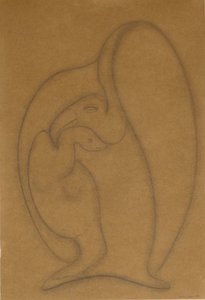
1889
1889 46.0 x 71.0 cm
获取远超网页预览效果的印刷级文件。我们销售的每一张数字图像均源自库存数据库中的高分辨率母版——宽度通常在 5,000 至 15,000 像素之间——因此您可以放心地进行大幅打印、局部裁剪或还原细腻的细节。
每一件作品在离开我们的工作室前都经过了精心的处理。数字影像专家会对照原作核对色彩,并在必要时进行校正,随后利用专业修图工具提升清晰度与细节表现——且始终忠实于艺术家的笔触与风格。最终呈现的图像宛如原作本身,而非仅仅是一张加了滤镜的扫描件。
您可以在完成前进行审核:我们的专家将在 72 小时内通过电子邮件向您发送图像以供审阅。如果不满意?您可以要求改进或修正,若质量未达预期,亦可申请退款。
这也是出版商、设计工作室、画廊及印刷厂所信赖的品质。
下载高分辨率文件,用于个人展示、打印及创意项目。 ( 切换至版画销售渠道 订购此收藏品的纯手工复刻画作)
选择 WahooArt.com,您获得的不仅仅是一张图像——您收到的是经过专业级增强、精雕细琢的数字艺术作品,并享有满意保证。以下是您的订单中自动包含的所有内容:
您的高分辨率数字图像文件将在下单后 72 小时内通过电子邮件发送给您 —— 即可立即使用。
您的艺术品经过专业优化,结合先进的 AI 技术与人工修饰,确保呈现极致的细节、清晰度与色彩准确度。
不小心删除了文件或找不到了?没关系——我们将随时为您免费重发。
即刻拥有您的艺术作品,无需支付任何关税、税费或运费——数字下载始终免税。
我们通过专业工具与色彩管理技术,确保您的数字图像尽可能真实地还原原作色彩。
如果您对所购数字图像不满意,我们将在100天内为您进行修改或提供100%的全额退款——无需任何理由。
不满意?在收到数字文件后的100天内,您可以申请全额退款——无需任何理由。
购买 3 张享 10% 折扣 - 购买 5 张享 15% 折扣 - 购买 10 张以上享 20% 折扣。非常适合创意项目、画廊及机构使用。

Born in Aberdeen in 1858, James Cadenhead’s artistic journey was one profoundly shaped by the landscapes of Scotland and the legacy of European art. The son of a Procurator Fiscal, he received his initial training in drawing and etching within the city's artistic circles, demonstrating an early aptitude for capturing form and detail. Crucially, his development was nurtured by Dr. John Forbes White, a discerning collector and photographer who recognized Cadenhead’s potential and introduced him to the works of the Old Masters and the Barbizon and modern Dutch schools – movements characterized by their emphasis on atmospheric effects and direct observation of nature. This exposure proved transformative, laying the foundation for his distinctive style.
Cadenhead's formal artistic education took him first to the Royal Scottish Academy Schools in Edinburgh and then, in 1882, to Paris, where he studied under the renowned Carolus-Duran. Parisian training provided a crucial broadening of his technical skills and exposed him to the vibrant Impressionist scene. However, it was Jean-Charles Cazin’s influence that proved particularly resonant; Cazin's ability to capture fleeting light and atmosphere in landscapes deeply resonated with Cadenhead’s own artistic sensibilities. Upon returning to Aberdeen in 1884, he later moved to Edinburgh in 1891, establishing himself as a significant figure within the Scottish art community.
Cadenhead's early works reveal a meticulous attention to detail combined with an emerging sensitivity to light and color. His portraits, such as “Lady with Japanese Screen and Goldfish” (1886), showcase a refined technique and a subtle understanding of capturing the subject’s character. This portrait, now held in the City Art Gallery, Edinburgh, exemplifies his ability to imbue a seemingly simple scene with atmosphere and emotion. The influence of the Barbizon School is readily apparent – the loose brushwork, the emphasis on tonal variations, and the desire to capture the essence of nature rather than merely its representation are all hallmarks of this movement.
His landscapes, too, demonstrate a growing mastery of technique and an increasing awareness of atmospheric effects. Works like “Dinnet Moor” (c. 1910) exemplify his ability to translate the rugged beauty of the Scottish Highlands onto canvas. The textured brushwork, the subtle shifts in color, and the sense of depth create a powerfully evocative image that captures the spirit of the moorland landscape. The influence of Dutch Masters is also evident here, particularly in his use of light and shadow to define form and space.
Cadenhead’s contributions to the Scottish art world were widely recognized throughout his career. He was elected a member of the Royal Scottish Society of Painters in Watercolour in 1893, a prestigious honor that signaled his acceptance as a leading figure within the artistic community. Further accolades followed, including an Associate membership of the Royal Scottish Academy (1902) and full membership in 1921 – a testament to his sustained dedication and artistic merit. He also served as Chairman of the Society of Scottish Artists, demonstrating his leadership role within the organization.
Beyond his individual achievements, Cadenhead was an active participant in broader cultural initiatives. He was one of the original committee members of the Scottish Modern Arts Association, reflecting a commitment to fostering artistic innovation and engagement. His involvement with Patrick Geddes’ “Fin de Siècle” movement further cemented his place as a key figure in Edinburgh's intellectual and artistic landscape. He even contributed illustrations to Geddes’ influential series, *The Evergreen*, showcasing his versatility and dedication to the cultural revival of Scotland.
Cadenhead lived a life deeply intertwined with Edinburgh, residing at 14 Ramsay Gardens (adjacent to Edinburgh Castle) and later at 15 Inverleith Terrace. His home became a hub for artistic gatherings and intellectual discussions. He died in Edinburgh in 1927, leaving behind a substantial body of work that continues to be admired for its beauty, technical skill, and evocative power. His paintings offer a poignant glimpse into the Scottish landscape and the lives of those who inhabited it – a testament to his enduring legacy as one of Scotland’s most accomplished landscape and portrait painters.
Cadenhead's work is held in several prominent collections, including the City Art Gallery, Edinburgh. His letters home from his time in Paris provide valuable insight into his artistic development and personal life, offering a richer understanding of the man behind the paintings. His influence can be seen in subsequent generations of Scottish artists who continued to explore the themes and techniques that defined Cadenhead’s distinctive style.

1858 - 1927


 实景预览
实景预览
 发送
发送 分享
分享
 详情
详情 指南
指南

 下载图片
下载图片
 相似作品
相似作品 X射线
X射线 幻灯片播放
幻灯片播放 统计数据
统计数据 阅读全文
阅读全文