
博物馆级艺术微喷或帆布版画,制作高效,并提供多种饰面选择。 ( 购买手绘画作 切换至数字图像销售渠道)





























从与原作比例一致的预设尺寸中进行选择。

您可以输入自定义尺寸,以适配特定的画框或空间。如果您选择的尺寸与原图比例不符,我们将对作品进行裁剪,或通过镜像填充/纯色填充边缘的方式来扩展图像。在开始制作之前,我们会向您发送一份数字效果图供您确认。
请注意,屏幕上的预览并不能反映实际的裁剪或扩展效果。只有效果图才能准确展示最终的构图。
虽然我们提供定制尺寸,但为了保持原图比例,我们建议您从预设列表中选择尺寸。

Joseph Interprets the Dreams While In Prison
复制品尺寸
James Jacques Joseph Tissot’s “Joseph Interprets the Dreams While In Prison,” painted in 1902, is more than a mere depiction of a biblical scene; it’s a meticulously crafted tableau brimming with psychological depth and an unwavering commitment to realism. This work, created during a pivotal period in Tissot's career, exemplifies his mastery of gouache – a medium he expertly wielded to achieve luminous colors and remarkably detailed textures that continue to captivate viewers today. The painting transports us directly into the claustrophobic confines of a prison cell, where Joseph, the resourceful and insightful protagonist of Genesis, skillfully interprets the troubling dreams of his fellow inmates, demonstrating both his prophetic abilities and his profound understanding of human nature.
Tissot’s artistic style is immediately recognizable – a staunch adherence to realism that was central to his success. He didn't simply illustrate the biblical story; he sought to breathe life into it, rendering each character with an astonishing level of detail and emotional nuance. The composition itself is carefully constructed, guiding the viewer’s eye across the scene. Joseph, positioned prominently on the left, commands attention with a thoughtful expression, while the other figures – seated, standing, and observing – contribute to the narrative's unfolding drama. The inclusion of the two bowls and the chair adds a layer of domesticity to the otherwise stark setting, subtly emphasizing the human element within this extraordinary event.
Painted in 1902, “Joseph Interprets the Dreams While In Prison” reflects Tissot’s broader artistic trajectory – a career marked by his fascination with biblical subjects and his ability to capture the social and cultural nuances of his time. Tissot was a prominent figure in the Parisian art scene, known for his genre paintings depicting fashionable women and everyday life. His work demonstrates a deep understanding of both classical composition and contemporary aesthetics. This particular piece stands as a testament to Tissot's skill in translating religious narratives into accessible and emotionally resonant works of art, solidifying his place within the canon of 19th-century artistic achievement.


1836 - 1902 , 法国
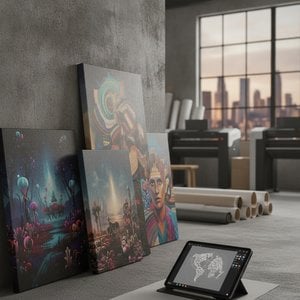
Transform your digital artistry into a prestigious global brand with WahooArt’s premium Giclée prints. Experience museum-quality archival excellence and seamless on-demand fulfillment designed for the modern creative entrepreneur seeking to build a lasting artistic legacy.

Master the nuances of Giclée printing with our expert guide. Discover how pigment-based inks and museum-grade substrates create fade-resistant, high-fidelity art reproductions designed for discerning collectors seeking unparalleled quality and longevity.

Discover museum-quality Giclée paper prints at WahooArt. Elevate your space with archival, pigment-based reproductions of the world's greatest masterpieces. Affordable, elegant, and designed for lasting beauty. Start curating your timeless art legacy today.


 效果预览
效果预览
 分享
分享 分享
分享
 详情
详情

 下载
下载
 相似作品
相似作品 X射线
X射线 幻灯片播放
幻灯片播放 统计数据
统计数据

 展开详情
展开详情









 玻璃选项仅适用于110厘米以下的尺寸。


