博物馆级艺术微喷或帆布版画,制作高效,并提供多种饰面选择。 ( 购买手绘画作 切换至数字图像销售渠道)





























从与原作比例一致的预设尺寸中进行选择。

您可以输入自定义尺寸,以适配特定的画框或空间。如果您选择的尺寸与原图比例不符,我们将对作品进行裁剪,或通过镜像填充/纯色填充边缘的方式来扩展图像。在开始制作之前,我们会向您发送一份数字效果图供您确认。
请注意,屏幕上的预览并不能反映实际的裁剪或扩展效果。只有效果图才能准确展示最终的构图。
虽然我们提供定制尺寸,但为了保持原图比例,我们建议您从预设列表中选择尺寸。

Cérès protégeant Triptolème contre le roi Lyncus
复制品尺寸
This captivating oil painting depicts a dramatic scene drawn directly from Greek mythology. It portrays Cérès (Roman goddess Ceres), the powerful deity of agriculture, fertility, and motherhood, fiercely protecting Triptolème, an Athenian king credited with introducing agriculture to mankind. The narrative centers on a perilous encounter where Cérès intervenes against King Lyncus, who, in a fit of rage or madness, attempted to kill Triptolème. A serpentine figure adds another layer of threat and divine intervention to the scene.
The artwork is firmly rooted within the Baroque style, characterized by its dynamic composition, intense emotion, and dramatic use of light and shadow (chiaroscuro). Dumont masterfully employs a diagonal thrust in the arrangement of figures, creating a sense of urgency and movement. The muscular depiction of Cérès, actively defending Triptolème who lies upon an ornate bed, conveys strength and courage. The presence of Triptolème, standing protectively nearby with what appears to be a staff or scepter, reinforces the theme of guardianship. Noticeable brushstrokes and layering of paint contribute to the texture and depth of the scene. The artist’s skillful use of warm tones – reds, browns, and golds – contrasted with cooler blues and greens in the drapery creates visual richness and enhances the dramatic impact.
Beyond its narrative depiction, the painting is rich in symbolic meaning. Cérès embodies divine power and maternal protection, while Triptolème represents the gift of agriculture to humanity. The serpent symbolizes danger, evil, or a test of faith, highlighting the perilous situation faced by Triptolème. The overall emotional tone is one of intense drama and urgency, evoking feelings of fear, courage, and ultimately, divine intervention. The muscular figure's heroic stance and protective gesture powerfully convey strength and determination in the face of adversity.
Jacques Dumont dit "le Romain" (1704-1781) was a French history and portrait painter who enjoyed considerable celebrity during his lifetime. He trained initially in Paris, later studying in Rome – hence the moniker “le Romain.” He became a respected member of the Académie royale de peinture et de sculpture. While perhaps less known today than some of his contemporaries, Dumont’s work reflects the artistic tastes and values of the 18th century, particularly the continued popularity of mythological subjects and the emphasis on dramatic storytelling through painting. This piece exemplifies his ability to capture dynamic scenes with a keen eye for detail and a mastery of Baroque techniques.


1701 - 1781 , France
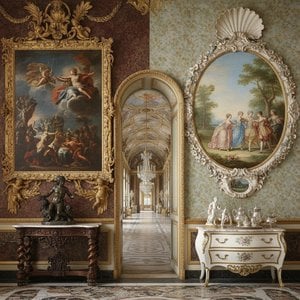
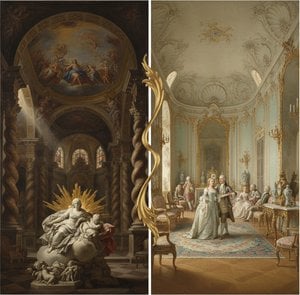
Embark on a cultural journey through the dramatic grandeur of Baroque and the delicate grace of Rococo art. Discover the history, techniques, and timeless beauty of these magnificent eras with our expert-led exploration of European masterpieces.

深入探索18世纪洛可可艺术的奢华与反叛。了解其风格特征、代表画家及其作品,以及对后世艺术的影响。WahooArt提供精美手绘油画复制品和专业艺术咨询服务。

Explore the profound differences between Baroque drama and Rococo elegance. Our expert guide delves into art history, chiaroscuro, and the evolution of European masterpieces for collectors and enthusiasts seeking deep historical context.

Explore the dramatic evolution from Baroque's intense chiaroscuro to Rococo's golden elegance. Our expert guide decodes the shift from high-drama shadows to playful, ornate grace for art enthusiasts and collectors seeking deep historical insight.


 效果预览
效果预览
 分享
分享 分享
分享
 详情
详情

 下载
下载
 相似作品
相似作品 X射线
X射线 幻灯片播放
幻灯片播放 统计数据
统计数据

 展开详情
展开详情









 玻璃选项仅适用于110厘米以下的尺寸。