
 Acrylic On CanvasWallArtFlorentine Gothic
 1365
1365 25.0 x 10.0 cm
 大都会艺术博物馆
博物馆级艺术微喷或帆布版画,制作高效,并提供多种饰面选择。 ( 购买手绘画作 切换至数字图像销售渠道)





























从与原作比例一致的预设尺寸中进行选择。

您可以输入自定义尺寸,以适配特定的画框或空间。如果您选择的尺寸与原图比例不符,我们将对作品进行裁剪,或通过镜像填充/纯色填充边缘的方式来扩展图像。在开始制作之前,我们会向您发送一份数字效果图供您确认。
请注意,屏幕上的预览并不能反映实际的裁剪或扩展效果。只有效果图才能准确展示最终的构图。
虽然我们提供定制尺寸,但为了保持原图比例,我们建议您从预设列表中选择尺寸。

Six Angels
复制品尺寸
The series of six angels, a captivating ensemble from the Florentine master Jacopo di Cione (c. 1325 – c. 1399), offers a glimpse into the vibrant artistic landscape of late medieval Italy. More than mere decorative elements, these figures—mounted within the frame of a panel depicting the Crucifixion—represent a poignant intersection of religious devotion and architectural ambition. Originally conceived as pilasters adorning an altarpiece for Santa Maria degli Angeli in Florence, their current arrangement, a carefully considered reconfiguration by a 19th-century collector, speaks to the enduring power of artistic adaptation and the layered history embedded within each brushstroke.
Dating back to approximately 1365, the painting’s genesis lies within the ambitious project of transforming the chapel dedicated to Ognissanti. This chapel, funded by Ser Francesco di Ser Berto degli Albizzi, was intended as a testament to piety and artistic patronage—a space designed to inspire awe and reverence. The altarpiece itself, a complex composition featuring the Crucifixion at its heart, served as the focal point of this endeavor. The angels, initially conceived as integral components of the altarpiece’s structure, were thus inextricably linked to the narrative of sacrifice and redemption.
Jacopo di Cione's masterful technique is immediately apparent in the delicate execution of these angelic figures. Painted in tempera on wood, a medium favored for its luminosity and ability to achieve rich, vibrant colors, the angels possess an ethereal quality. The use of gold leaf—evident in the panel’s frame—further enhances this sense of otherworldly beauty, elevating the scene beyond the earthly realm. The artist's meticulous attention to detail is particularly striking in the rendering of their drapery, which flows with a graceful fluidity, suggesting both movement and serenity.
Notably, the composition draws upon the stylistic conventions of Florentine Gothic art, characterized by its elegance, naturalism, and expressive emotionality. Jacopo’s work reflects the influence of his family—Andrea di Cione (Orcagna), Nardo, and Matteo di Cione—all renowned for their collaborative efforts and shared aesthetic sensibilities. The brothers' legacy is evident in the harmonious balance between form and content, a hallmark of Florentine Gothic art.
Each angel within the series embodies specific attributes associated with divine messengers. Their gestures—clasped hands, uplifted arms—evoke a sense of prayerful devotion and communication with the heavens. The crowns adorning their heads signify their elevated status as celestial beings, while their serene expressions convey an aura of peace and wisdom. The grouping itself suggests a chorus of angels attending to the suffering Christ, offering solace and support in his earthly ordeal.
Furthermore, the placement of the angels within the frame of the Crucifixion panel underscores the central theme of redemption. They serve as witnesses to the sacrifice of Christ, reminding viewers of the promise of salvation offered through faith. The entire composition becomes a meditation on themes of grace, mercy, and divine love—a powerful testament to the enduring power of religious art.
Today, these Six Angels exist not only as original works of art but also as meticulously crafted reproductions, offering an accessible pathway to experience Jacopo di Cione’s genius. WahooArt.com proudly presents high-quality hand-painted reproductions that faithfully capture the essence and beauty of this remarkable series. Whether adorning a private residence or gracing a public space, these reproductions serve as a timeless reminder of the enduring legacy of Florentine Gothic art—a celebration of faith, artistry, and the profound mysteries of the human spirit.


1325 - 1399 , Italy
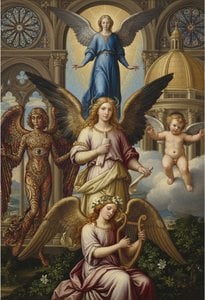
Explore the profound beauty of angelic figures in art history. From Renaissance masterpieces to celestial symbolism, our expert guide offers a sophisticated journey through the divine imagery of the Old Masters for discerning collectors and art enthusiasts.
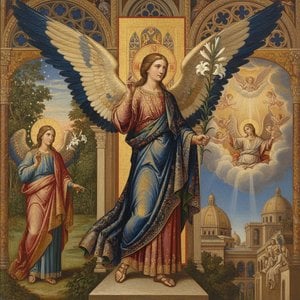
Explore the profound beauty of Angel Gabriel in art history. From Renaissance masterpieces to Baroque splendor, our expert guide delves into the sacred iconography and timeless techniques of these divine messengers for the discerning art enthusiast.
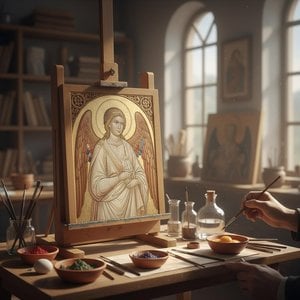
Unveil the sacred secrets of egg tempera on panel. Journey through the technical mastery and profound artistry of the Old Masters, from Giotto to Botticelli. An essential educational guide for Renaissance art enthusiasts seeking deep historical insight and expertise.


 效果预览
效果预览
 分享
分享 分享
分享
 详情
详情

 下载
下载
 相似作品
相似作品 X射线
X射线 幻灯片播放
幻灯片播放 统计数据
统计数据 展开详情
展开详情









 玻璃选项仅适用于110厘米以下的尺寸。


