
由我们的艺术家按需定制,为您提供您所选尺寸及画框的布面手工油画。 ( 切换至版画销售渠道 切换至数字图像销售渠道)
您可以从与原作比例一致的预设尺寸中进行选择。

请输入您需要的宽度和高度,以适配您的画框或墙面。由于作品为手工绘制,若选择不同比例的尺寸,艺术家可能会在画面边缘多画一些或稍作裁剪 —— 由您决定。在开始绘画之前,我们会为您发送一份数字效果图供您确认。本页面上展示的图片并非最终实物 —— 只有效果图才能反映真实结果。
poisoned well
复刻品尺寸
Jacek Malczewski’s “Poisoned Well” is a captivating work from the late 19th century, representing a pivotal moment in Polish art. This piece, part of a series exploring similar themes, exemplifies the burgeoning Symbolist movement within Poland and offers a profound commentary on societal anxieties and spiritual decay.
The painting depicts two women seated together on a bench, seemingly engaged in conversation or quiet contemplation. While appearing serene at first glance, the scene is imbued with an unsettling atmosphere. The presence of other figures—one standing behind the women and another further back—adds to a sense of observation and potential judgment. A cup placed near the bench hints at a shared experience, perhaps tainted by the "poisoned well" itself – a metaphor for corruption or insidious influence.
Malczewski was a master of oil on canvas, employing layered brushstrokes and glazing techniques to achieve depth and luminosity. “Poisoned Well” was created during a period of intense national introspection in Poland, which was then partitioned between Russia, Prussia, and Austria. The "Young Poland" movement sought to revitalize Polish culture through art that explored themes of identity, spirituality, and social critique. Malczewski became a leading figure within this movement, using his art to express the anxieties and aspirations of a nation yearning for independence.
The symbolism in "Poisoned Well" is rich and layered. The well itself represents a source of sustenance or knowledge that has been corrupted. The women could symbolize different aspects of Polish society – perhaps innocence and experience, tradition and modernity—caught within this web of decay. The cup suggests complicity or shared responsibility. Malczewski often drew inspiration from mythology, literature (particularly the works of Juliusz Słowacki), and Polish folklore to create a visual language that resonated deeply with his contemporaries.
“Poisoned Well” evokes a sense of unease, melancholy, and quiet desperation. It’s not a painting that offers easy answers but rather prompts viewers to contemplate the complexities of human nature and the fragility of societal values. Malczewski's work continues to resonate with audiences today, offering a powerful reflection on universal themes of corruption, disillusionment, and the search for meaning in a troubled world. Its enduring appeal lies in its ability to tap into deep-seated anxieties while simultaneously celebrating the resilience of the human spirit.
在“poisoned well”中,最引人注目的颜色是Rosy Brown (#c4a889)。了解作品的主色调有助于将其与室内装饰进行搭配。
雅采克·马尔切夫斯基 的《poisoned well》 的色彩分析呈现出一种 Bold 的对比与 Balanced Harmony 的和谐。
"poisoned well" 展现了 雅采克·马尔切夫斯基 在 Mature Period 时期的艺术风格。


1854 - 1897 , 美国
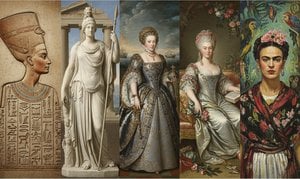
Explore the rich history of women in art – from iconic muses to groundbreaking artists. Discover feminist movements & reclaim female narratives with WahooArt. Expert insights for discerning collectors.

Explore the captivating surreal worlds of Jacek Yerka, a leading Polish painter renowned for his meticulous Flemish technique & dreamlike landscapes. Discover his unique style and learn about collecting this exceptional artist's work.

Explore the rich history of women in art – from iconic muses to groundbreaking artists. Discover feminist movements, global perspectives & reclaim female narratives with WahooArt.

Explore the life & work of Stanisław Wyspiański, a pivotal figure in Polish Symbolism and the Young Poland movement. Discover his iconic paintings, dramas, and stained glass designs reflecting national identity & artistic innovation.

Explore the rich history of women in art – from archetypal representations to contemporary voices challenging norms. Discover iconic artists & movements, and learn about reclaiming female narratives through painting and beyond.


 实景预览
实景预览
 分享
分享 分享
分享
 详情
详情 指南
指南

 下载作品
下载作品
 相似作品
相似作品 X射线
X射线 幻灯片播放
幻灯片播放 Q&A
Q&A 统计数据
统计数据
 展开全文
展开全文






































 玻璃选项仅适用于110厘米以下的尺寸。


