效果预览 AR 预览 购买手绘画作 切换至数字图像销售渠道 分享
详情 Guide 加入收藏 下载 相似作品 X射线 幻灯片播放 统计数据

Tempest, sunset

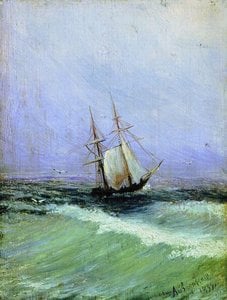
Experience Ivan Aivazovsky’s Tempest, sunset – a dramatic seascape capturing the ocean's fury and serene beauty in 1856 Russian Romanticism. Witness masterful brushstrokes illuminate crashing waves under a fiery sunset; explore exquisite handmade reproductions at WahooArt.

艾瓦佐夫斯基,俄国最伟大的海洋画家之一,以其浪漫主义风格和戏剧性的海景画作而闻名。《第九波》等作品展现了他卓越的技巧和对大海的深刻理解。他的作品不仅美轮美奂,更传达了人类在自然力量面前的脆弱与希望。

艺术微喷/版画

博物馆级艺术微喷或帆布版画,制作高效,并提供多种饰面选择。 ( 购买手绘画作 切换至数字图像销售渠道)

P118B $10
P118H $10
P118W $10
P438Z $10
P508JH $12
P508YH $12
P805H $10
P805Z $10
P919BZ $10
P919G $10
P919XJ $10
P959ZH $10
P968JZ $12
W106C $8
W218G $10
W218JH $8
W218Y $10
W307PJ $10
W316G $10
W316PJ $8
W316Y $10
W398PJ $8
W4111J $10
W500HY $15
W500JH $15
W692G $12
W849H $8
W940BG $15
W953PJ $8

标准尺寸
定制
CM
INCH

从与原作比例一致的预设尺寸中进行选择。

宽度
高度

您可以输入自定义尺寸,以适配特定的画框或空间。如果您选择的尺寸与原图比例不符,我们将对作品进行裁剪,或通过镜像填充/纯色填充边缘的方式来扩展图像。在开始制作之前,我们会向您发送一份数字效果图供您确认。
请注意,屏幕上的预览并不能反映实际的裁剪或扩展效果。只有效果图才能准确展示最终的构图。
虽然我们提供定制尺寸,但为了保持原图比例,我们建议您从预设列表中选择尺寸。

全球配送(),仅需 2 周即可送达,无需等待标准流程的 4/5 周。(20 September)

why_choose_icon
全球免费特快专递服务
why_choose_icon
优质亚麻画布
why_choose_icon
全程运输保险
why_choose_icon
关税退款保证
why_choose_icon
色彩还原度保证
why_choose_icon
100天退货政策(仅限瑕疵品)
why_choose_icon
100%退款保证
why_choose_icon
多件购买优惠

总计金额

$ 68

reproduction

Tempest, sunset

艺术微喷/版画

复制品尺寸

-

最终总价

$ 68

作品概览

  • Artistic style: Dramatic contrast
  • Year: 1856
  • Title: Tempest, sunset
  • Subject or theme: Ocean seascape
  • Dimensions: 67 x 89 cm
  • Artist: Ivan Aivazovsky
  • Medium: Oil on canvas

A Symphony of Light and Fury: Exploring Ivan Aivazovsky’s Tempest

The painting “Tempest,” sunset by Ivan Konstantinovich Aivazovsky—a monumental seascape measuring 67 x 89 cm created in 1856—stands as a testament to the Romantic era's fascination with untamed nature and its ability to evoke profound emotion. More than just a depiction of turbulent waves, it’s an immersive experience for the viewer, transporting them to the precipice of oceanic drama where beauty clashes violently with power. Aivazovsky wasn’t merely recording what he saw; he was channeling his own visceral response to the sea—a reaction deeply rooted in his upbringing amidst the Crimean coastline and solidified by years of dedicated artistic study.

Style and Technique: Bold Strokes, Vibrant Color

Aivazovsky's distinctive style is instantly recognizable through his audacious brushwork and masterful manipulation of color. Unlike many artists of his time who favored meticulous detail, he prioritized conveying movement and atmosphere above all else. Thick impasto—heavy application of paint—dominates the canvas, creating a palpable sense of texture that mimics the churning foam and spray of the storm. The palette is dominated by fiery oranges and reds reflecting the dying embers of sunset, juxtaposed against deep blues and greens representing the turbulent depths of the ocean. This dramatic contrast isn’t accidental; it serves to heighten the emotional impact of the scene and underscores Aivazovsky's commitment to capturing the sublime—that elusive blend of terror and wonder experienced when confronted with overwhelming natural grandeur.

Historical Context: Romanticism at Its Zenith

“Tempest,” sunset emerged during a period of fervent artistic experimentation within Romanticism, an intellectual movement that championed emotion over reason and celebrated the power of imagination. Artists like Turner and Friedrich similarly sought to depict landscapes as expressions of human experience, prioritizing subjective feeling alongside objective observation. Aivazovsky’s work aligns perfectly with this ethos, reflecting the broader cultural preoccupation with confronting mortality and grappling with the forces beyond human control—themes prevalent in literature and philosophy of the era. The painting was conceived during a time when scientific inquiry was challenging traditional beliefs about the natural world, prompting artists to reconsider their role as interpreters of these grand narratives.

Symbolism: Facing Down Chaos

Beyond its visual splendor, “Tempest,” sunset carries symbolic weight. The tempest itself represents not merely meteorological disturbance but also psychological turmoil—the struggle between order and chaos inherent in human existence. The figures scattered along the shoreline serve as anchors to this drama, symbolizing humanity’s vulnerability against the immensity of nature. Yet, amidst the darkness and fury, there's a glimmer of hope embodied by the warm glow of the sunset, suggesting resilience and the promise of renewal after periods of adversity. This duality—the confrontation with destructive forces followed by an affirmation of beauty—is characteristic of Romantic art’s exploration of the human condition.

Emotional Impact: Capturing Sublime Terror

Ultimately, “Tempest,” sunset succeeds in eliciting a powerful emotional response from the viewer. The painting compels us to contemplate our place within the universe and confronts us with the awe-inspiring majesty of nature—a force capable of both destruction and sublime beauty. It’s a scene that lingers in the mind long after viewing, prompting reflection on themes of courage, vulnerability, and the enduring power of artistic vision. Reproductions of this masterpiece offer an opportunity to experience this profound aesthetic and intellectual engagement firsthand.

艺术家简介

A Life Embraced by the Waves

Ivan Konstantinovich Aivazovsky, born Hovhannes Aivazian in 1817, was more than just a painter of seascapes; he embodied the very spirit of Romanticism—a profound connection to nature and an unwavering pursuit of emotional truth. His existence seemed inextricably intertwined with the Black Sea—that vast, turbulent expanse which would forever dominate his artistic vision and propel him to unparalleled fame throughout his lifetime. Born in Feodosia, Crimea, a city steeped in maritime history and culture, Aivazovsky’s formative years instilled within him an instinctive understanding of the ocean's moods and majesty. From a young age, Jacob Koch, a local architect who recognized his prodigious talent, nurtured this fascination—a seed that blossomed under the tutelage of Saint Petersburg’s Imperial Academy of Arts, where he honed his skills in meticulous observation and masterful technique. Yet, formal training could never fully capture the essence of Aivazovsky's artistic soul; it was the salty air, the cries of gulls circling overhead, and the ceaseless rhythm of the waves that truly shaped his sensibility.

Early Influences and Artistic Formation

Aivazovsky’s Armenian heritage—his baptism at St. Sargis Armenian Church in Feodosia—provided him with a bedrock of cultural identity, subtly informing his artistic worldview. He absorbed influences from artists like Eugène Delacroix and Théodore Rousseau, embracing the Romantic movement's core tenets: emotion, imagination, and reverence for the sublime beauty of untamed landscapes. These formative experiences instilled within him a conviction that art should strive to capture not merely what is seen but what is felt—a principle he would carry throughout his prolific career. His early works demonstrated an acute sensitivity to light and color, foreshadowing the luminous textures and dramatic compositions that would characterize his mature style. He meticulously studied topographical sketches and nautical charts, diligently preparing for expeditions into uncharted waters.

The Navy Painter and Maritime Inspiration

A pivotal moment arrived in 1849 when Aivazovsky was appointed as the main painter of the Russian Navy—a position that granted him unparalleled access to naval life and provided an inexhaustible source of inspiration. This wasn’t merely a prestigious title; it was immersion—immersing himself in shipboard routines, witnessing battles firsthand, and observing the relentless forces of nature shaping the seascape. He became intimately acquainted with the daily lives of sailors, capturing their resilience and camaraderie with remarkable accuracy. The Navy's patronage fueled his output – approximately 6,000 paintings—allowing him to explore ambitious themes and experiment with innovative techniques. His canvases pulsed with dynamism, conveying a palpable sense of movement and grandeur. He famously remarked that “the sea is my teacher,” and this conviction permeated every brushstroke.

Style and Technique: Capturing the Sublime

Aivazovsky’s artistic style—characterized by dramatic compositions, masterful use of color, and meticulous attention to detail—became synonymous with Romantic seascape painting. He championed plein air painting, venturing out onto the open sea to capture fleeting moments of atmospheric beauty. His technique involved applying paint in thin layers, building up textures gradually to achieve luminous effects that mirrored the shimmering surface of the ocean. Like Delacroix and Rousseau before him, he sought to evoke emotion rather than simply reproduce visual reality—to transport the viewer into the heart of a storm or onto the deck of a ship battling towering waves. His canvases are imbued with an almost palpable energy, reflecting the turbulent forces of nature and conveying a profound sense of awe. Notable works include *The Ninth Wave*, depicting a harrowing shipwreck scene; *Ship in a Stormy Sea*, showcasing the destructive power of the ocean; and *Seascape with Full Moon*, capturing the ethereal beauty of nocturnal seascapes.

Legacy and Enduring Influence

Ivan Konstantinovich Aivazovsky’s contribution to Russian art—and indeed, to Romantic painting globally—is undeniable. He elevated seascape painting to new heights of artistic expression, establishing himself as one of Russia's greatest masters. His paintings continue to inspire artists today, demonstrating the enduring power of observation and emotion. Beyond his technical brilliance, Aivazovsky’s unwavering devotion to capturing the sublime—the awe-inspiring grandeur of nature—solidified his place in art history. He served as a symbol of Russian patriotism and maritime prowess, bolstering national pride during a period of significant expansion. His legacy extends far beyond the canvases themselves; it resides in the indelible impression he left on generations of artists who followed him—artists who recognized the importance of conveying feeling alongside visual accuracy. Aivazovsky’s paintings remain treasured masterpieces, testament to his extraordinary talent and unwavering passion for the sea.
艾瓦佐夫斯基

艾瓦佐夫斯基

1817 - 1900 , 俄羅斯

艺术家简介

  • Artistic Movement Or Style: 浪漫主義,海洋藝術
  • Artists Or Movements Influenced By This Artist: ['俄羅斯風景畫']
  • Artists Who Influenced This Artist: ['雅各·柯赫']
  • Date Of Birth: 1817年7月29日
  • Date Of Death: 1900年5月2日
  • Full Name: Ivan Konstantinovich Aivazovsky
  • Nationality: 俄羅斯愛爾蘭尼亞人
  • Notable Artworks:
    • 第九號浪濤
    • 風暴中的船隻
    • 滿月的海景
  • Place Of Birth: 俄羅斯黑海城市費奧多西亞
探索按主题、风格和特征分类的艺术作品。