


x

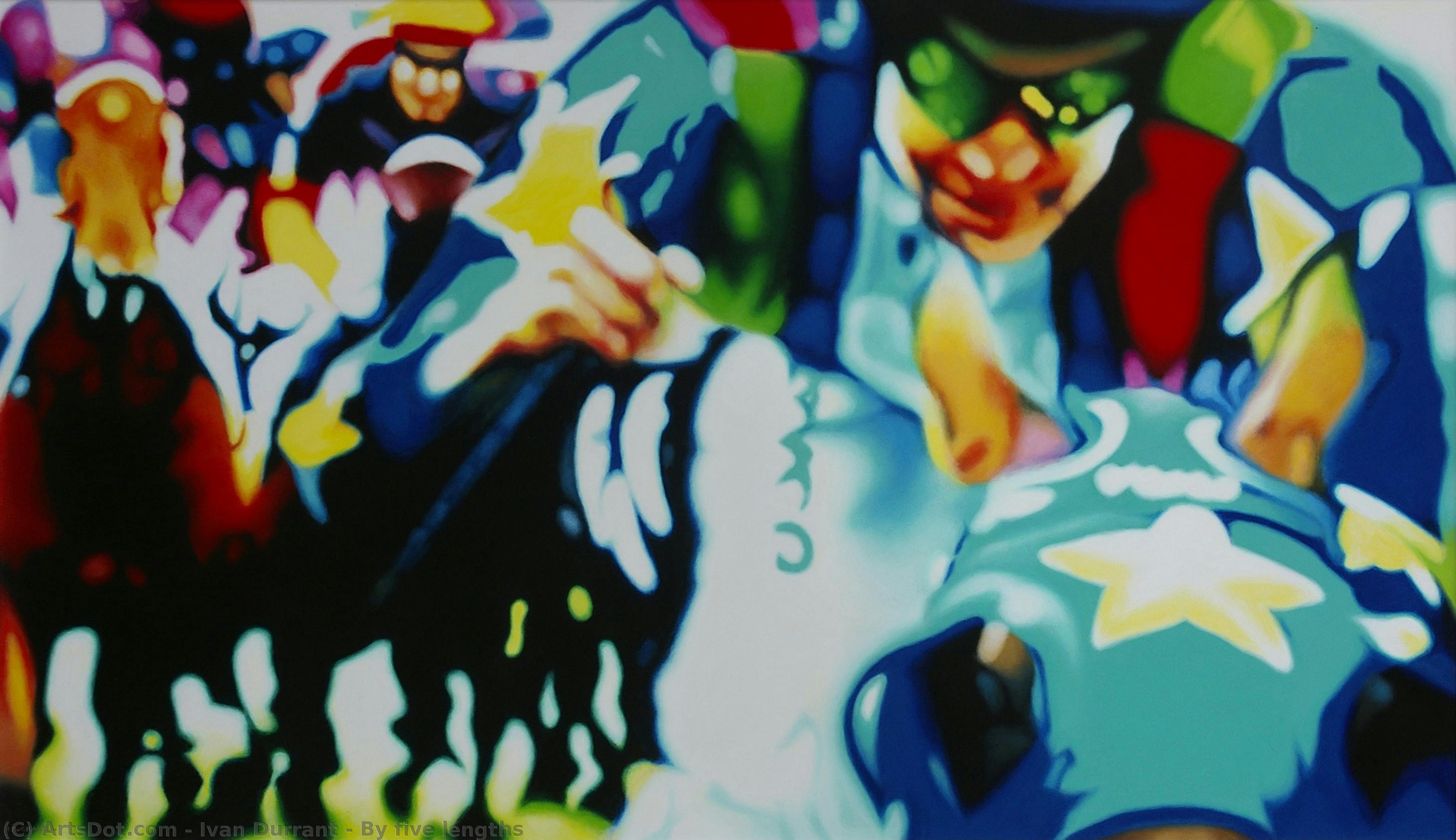
 2014
2014 100.0 x 160.0 cm
 Ian Potter Museum of Art
从与原作比例一致的预设尺寸中进行选择。

您可以输入自定义尺寸,以适配特定的画框或空间。如果您选择的尺寸与原图比例不符,我们将对作品进行裁剪,或通过镜像填充/纯色填充边缘的方式来扩展图像。在开始制作之前,我们会向您发送一份数字效果图供您确认。
请注意,屏幕上的预览并不能反映实际的裁剪或扩展效果。只有效果图才能准确展示最终的构图。
虽然我们提供定制尺寸,但为了保持原图比例,我们建议您从预设列表中选择尺寸。

By five lengths
复制品尺寸
Born in Melbourne, Australia, in 1947, Ivan Durrant’s early life was marked by instability and hardship, experiences that would profoundly shape his artistic vision. As one of seven children born to a young mother and a war veteran father struggling with the aftermath of trauma, Durrant's childhood unfolded against a backdrop of poverty and familial disruption. The family initially resided in Camp Pell, a post-war slum within Melbourne’s Royal Park, before relocating to Gippsland. However, the challenges proved insurmountable, leading his mother to place Ivan and several siblings into the care system at the age of seven.
The nine years Durrant spent within the evolving iterations of Melbourne Orphanage were pivotal. While institutional life presented its difficulties – emotional abuse and even unsettling medical experimentation are recounted in his personal history – it also provided a space for nascent artistic talent to emerge. Drawing became a means of social connection, offering protection from bullying as older boys commissioned sketches in their books. This early recognition fostered a burgeoning passion that would eventually define his career. Summers were spent working on farms in Katunga and Euroa, where Durrant developed a deep affinity for animals, particularly cattle, an affection that would resurface repeatedly in his later work.
Following his time in the orphanage, Durrant began to explore painting seriously, holding his first exhibition in St Kilda in 1970. However, it was a decade later that he truly burst onto the Australian art scene, earning him the moniker “the *enfant terrible* of Australian art.” The event that cemented this reputation was the infamous “Slaughtered Cow Happening” of 1975. Durrant purchased a cow destined for the knacker’s yard and publicly slaughtered it outside the National Gallery of Victoria. This act, intended as a provocative commentary on the hypocrisy surrounding meat consumption and the disconnect between consumers and the realities of food production, ignited public outrage and garnered widespread media attention.
While shocking, the “Slaughtered Cow Happening” was not merely an exercise in sensationalism. It was a calculated attempt to force a confrontation with societal norms and challenge prevailing attitudes towards animal welfare and the ethics of eating meat. Durrant skillfully manipulated the press, using the media as a platform to amplify his message and establish himself as a controversial figure willing to push boundaries.
Despite being widely recognized for this performance art piece, the core of Durrant’s oeuvre lies in painting. His technique evolved from an initial childlike, folksy style into what he terms “Super-Realism”—a hyperrealistic approach that goes ‘above and beyond the photo’. This meticulous attention to detail was honed during a period working in a prosthetics laboratory at Royal Melbourne Hospital, where he developed a remarkable ability to create lifelike body parts. This skill translated seamlessly into his paintings of butchered meats, pig heads, and other visceral subjects.
Durrant’s work isn't simply about replicating reality; it is about intensifying it, forcing the viewer to confront uncomfortable truths with unnerving clarity. His exploration of Australian Rules football in more recent works demonstrates a continued fascination with color, action, and the cultural significance of everyday life. His artistic range encompasses paintings, photography, public performance, installation art, short films, and sculpture.
Durrant’s work consistently grapples with socio-political themes, often challenging conventional morality and prompting critical reflection on issues such as animal rights, consumerism, and the human condition. His artistic periods reflect a journey of exploration: from early depictions of farm life and landscapes to his groundbreaking photorealistic paintings of jockeys and meat, each phase represents a deepening engagement with these complex ideas.
His residency at the Art Council of Australia in New York City in 1976 broadened his exposure to international art trends but did not diminish his uniquely Australian perspective. Durrant’s legacy extends beyond individual artworks; he is recognized as a pivotal figure in challenging artistic conventions and sparking dialogue about difficult subjects. His works are held in numerous public collections, including the National Gallery of Australia, Canberra, solidifying his place as an important voice in contemporary Australian art.

1947 - , Australia


第一时间获取最新的艺术新闻、独家优惠及装饰灵感。
向我们介绍您的项目需求,我们的艺术专家将为您提供 3 个个性化的艺术品推荐。
由我们的专家为您精选 3 款心仪之作 —— 完全免费!
 定制手绘复刻品
 分享
分享 分享
分享
 详情
详情

 下载
下载
 相似作品
相似作品 X射线
X射线 幻灯片播放
幻灯片播放 展开详情
展开详情






































 玻璃选项仅适用于110厘米以下的尺寸。


