


x































从与原作比例一致的预设尺寸中进行选择。

您可以输入自定义尺寸,以适配特定的画框或空间。如果所选尺寸与原图比例不符,我们将通过裁剪作品或添加手绘元素来扩展画面。数字样稿将在制作开始前发送给您确认。
请注意,屏幕预览无法准确反映实际的裁剪或扩展效果,只有样稿才能真实呈现最终的构图。
虽然我们提供定制尺寸服务,但为了保留原作比例,建议您从预设列表中选择尺寸。

King Hobgoblin Sleeping
复制品尺寸
Hugo Simberg’s “King Hobgoblin Sleeping,” painted in 1896, is not merely a depiction of repose; it’s an unsettling journey into the realm of dreams, folklore, and perhaps even mortality. This black-and-white watercolor and gouache on paper transports us to a liminal space where reality blurs with the fantastical, inviting contemplation on themes of life, death, and the unseen forces that govern our existence. The scene unfolds within what appears to be a simple bedchamber, yet its stark monochrome palette immediately establishes an atmosphere of quiet mystery and subdued melancholy.
Simberg, a pivotal figure in Finnish Symbolism, was deeply influenced by the movement’s preoccupation with exploring the subconscious and imbuing everyday objects and figures with profound symbolic meaning. In "King Hobgoblin Sleeping," this is evident in every detail. The central figure, ostensibly a king—though his identity remains ambiguous—lies motionless in bed, his eyes closed in what could be interpreted as sleep or perhaps something far more final. Around him stand several observers, their expressions unreadable, adding to the painting's enigmatic quality. They seem both present and distant, witnesses to a scene they cannot fully comprehend or influence. The presence of a spider on the left side and a mouse near the center are not mere decorative elements; they are potent symbols within Simberg’s visual language. Spiders often represent fate, weaving the threads of destiny, while mice can symbolize vulnerability, hidden anxieties, or even the creeping passage of time.
Simberg drew heavily from Finnish folklore and mythology, imbuing his works with a distinctly Nordic sensibility. While "King Hobgoblin Sleeping" doesn't illustrate a specific fairy tale, it evokes the spirit of those ancient narratives—stories populated by mythical creatures, ambiguous morality, and a deep connection to nature’s darker aspects. The title itself suggests a figure from folklore, a hobgoblin king, blurring the lines between human and supernatural realms. Simberg’s time studying under Akseli Gallen-Kallela further solidified his appreciation for Finnish landscape and its inherent symbolism. This influence is palpable in the painting's quiet stillness, reminiscent of the vast, often melancholic beauty of the Finnish countryside.
The emotional impact of "King Hobgoblin Sleeping" lies in its ambiguity. Is the king truly asleep, dreaming a fantastical dream? Or has he succumbed to death, his slumber eternal? The propped-up figures surrounding him, supported by crutches, hint at an unnatural stillness, further fueling speculation about their fate and the nature of the scene. Simberg deliberately avoids providing easy answers, leaving viewers to grapple with the painting's unsettling beauty and profound questions about mortality, dreams, and the hidden forces that shape our lives. The monochromatic palette enhances this sense of mystery, stripping away color distractions and focusing attention on the interplay of light and shadow, creating a timeless work that continues to captivate and intrigue audiences today.


1873 - 1917 , Finland

Explore the captivating world of surrealism & dreamlike art! Discover key artists like Dalí & Magritte, symbolism's history, and how color evokes emotion. Find high-quality reproductions at WahooArt.

Explore the captivating world of Akseli Gallen-Kallela, Finland's iconic National Romantic painter. Discover his symbolic landscapes, Kalevala illustrations & lasting impact on Finnish identity. Expert analysis & high-quality reproductions at WahooArt.

将您的个人故事转化为永恒的艺术珍品。WahooArt提供高端定制油画服务,由专业艺术家倾力打造,赋予作品深刻象征意义与情感价值。咨询艺术专家,打造专属神话。

探索象征主义艺术的巅峰!本文精选十部定义流派的杰作,带您领略莫迪利亚尼、普桑等大师的神秘世界。深入了解其背后的故事与技法,感受色彩与符号带来的深刻情感。WahooArt.com为您提供博物馆品质的艺术品复制和家居装饰灵感,尽在其中!
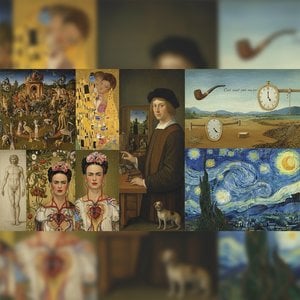
Delve into the enchanting world of Symbolism with 10 iconic paintings by Klimt, Munch & Moreau. Explore hidden meanings, dreamlike imagery & rich color palettes. Find museum-quality art reproductions at WahooArt.com and transform your home gallery. Discover all masterpieces on WahooArt.com


第一时间获取最新的艺术新闻、独家优惠及装饰灵感。
向我们介绍您的项目需求,我们的艺术专家将为您提供 3 个个性化的艺术品推荐。
由我们的专家为您精选 3 款心仪之作 —— 完全免费!
 购买版画
购买版画 分享
分享 分享
分享
 Details

 下载
下载
 相似作品
相似作品 X-Ray
X-Ray 幻灯片播放
幻灯片播放









 了解更多
了解更多


 玻璃选项仅适用于110厘米以下的尺寸。


