
 Acrylic On CanvasWallArtRomanticism
 1796
1796 60.0 x 41.0 cm
 波士顿美术馆
由我们的艺术家按需定制,为您提供您所选尺寸及画框的布面手工油画。 ( 切换至版画销售渠道 切换至数字图像销售渠道)





























从与原作比例一致的预设尺寸中进行选择。

您可以输入自定义尺寸,以适配特定的画框或空间。如果所选尺寸与原图比例不符,我们将通过裁剪作品或添加手绘元素来扩展画面。数字样稿将在制作开始前发送给您确认。
请注意,屏幕预览无法准确反映实际的裁剪或扩展效果,只有样稿才能真实呈现最终的构图。
虽然我们提供定制尺寸服务,但为了保留原作比例,建议您从预设列表中选择尺寸。

Washerwomen
复制品尺寸
Hubert Robert's "Washerwomen," painted in 1796, is more than just a depiction of a daily scene; it’s a carefully constructed tableau brimming with the romanticism and artistic sensibilities of late 18th-century France. The painting transports us to a sun-drenched courtyard within a bustling Parisian city – a world rendered with an almost dreamlike quality through Robert's masterful use of light, color, and perspective. It’s a piece that speaks volumes about the era’s fascination with ruins, memory, and the beauty found in the commonplace.
Robert, born in Paris in 1733, was a painter deeply influenced by the Baroque tradition, particularly the works of Claude Lorrain and Andrea Pozzo. However, he quickly developed his own distinctive style, often referred to as “capriccio” – a term derived from Italian meaning ‘whim’ or ‘fancy.’ These landscapes weren't intended to be realistic representations but rather imaginative constructions that blended elements of history, mythology, and the natural world. "Washerwomen" exemplifies this approach perfectly, seamlessly integrating architectural fragments, classical statues, and a vibrant urban backdrop.
The painting’s core lies in Robert's manipulation of space and perspective. He employs a technique known as *foreshortening* to create the illusion of depth, drawing the viewer into the scene with remarkable accuracy. The arches and columns of the background buildings seem to recede infinitely, while the figures in the foreground appear remarkably close, almost inviting us to step into their world. This masterful use of perspective isn’t merely technical; it serves a deeper symbolic purpose – evoking a sense of timelessness and the enduring power of memory.
Robert was particularly drawn to ruins, viewing them as potent symbols of both loss and regeneration. He didn't simply depict decaying structures; he reimagined them, breathing new life into their weathered facades and transforming them into picturesque settings for his fantastical compositions. In “Washerwomen,” the crumbling architecture isn’t presented as a lament for the past but rather as a backdrop to an idyllic scene of everyday life – suggesting that beauty can be found even in decay and that memory can transform the past into something vibrant and enduring.
The painting's palette is dominated by warm, earthy tones—ochres, browns, and siennas—creating a sense of warmth and intimacy. These muted colors are punctuated by splashes of brighter hues – the blues of the sky, the pinks and yellows of the flowers, and the vibrant reds of the women’s clothing. Robert's attention to detail is astonishing; every cobblestone, every leaf, every fold in the fabric seems meticulously rendered. This level of precision contributes significantly to the painting’s overall realism and invites us to linger over its intricate details.
The figures themselves are depicted with a remarkable sense of naturalism. The women engaged in their laundry work—washing clothes at a fountain, carrying baskets—are not idealized representations but rather believable characters caught in a moment of quiet activity. Their gestures and expressions convey a sense of dignity and resilience, reflecting the strength and spirit of the Parisian working class.
"Washerwomen" is more than just a pretty picture; it’s a poignant meditation on beauty, memory, and the passage of time. Robert's ability to capture the essence of a fleeting moment—a scene from everyday life transformed into an enduring work of art—is truly remarkable. The painting resonates with us today because it speaks to universal themes: the connection between humanity and nature, the importance of preserving memories, and the beauty that can be found in even the most humble of scenes.
Today, reproductions of “Washerwomen” continue to captivate art lovers and interior designers alike. Its evocative atmosphere and masterful technique make it a timeless addition to any collection or space—a reminder of the artistic brilliance of Hubert Robert and his enduring legacy as one of France’s most celebrated landscape painters.

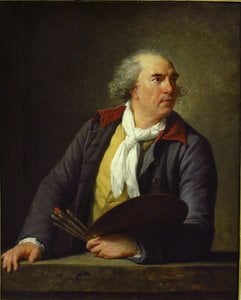
1733 - 1808 , 法国

探索浪漫主义风景画的巅峰!本文精选十部经典名作,带您领略莫奈、库尔贝等大师的艺术魅力。感受色彩与光影的诗意,重温自然风光的震撼。WahooArt.com为您提供博物馆级别的艺术复制品和个性化家居装饰方案。尽在WahooArt.com!

Explore the captivating world of Hubert Robert, master of Romantic landscape painting & 'capriccio' ruins. Discover his historical context, artistic innovations, and collecting insights with WahooArt.

探索康斯塔布尔的25幅传世杰作!沉浸于英国田园风光,感受浪漫主义绘画大师的光影与色彩。高清油画复制、艺术品购买尽在WahooArt.com,为您的家居增添经典之美。立即在线探索完整系列!

Explore the rich history of landscape art with WahooArt. Discover renowned artists, movements like Impressionism & Romanticism, and expert guidance for collecting timeless pieces. Find your perfect serene escape today!

探索洛可可艺术的辉煌!本文精选十幅名作,从华丽色彩到精致细节,揭秘法国洛可可风格的魅力。跟随大师们的足迹,感受艺术史上的优雅与浪漫。WahooArt.com为您提供博物馆品质的艺术复制品和个性化家居装饰方案。尽在WahooArt.com!


 效果预览
效果预览
 分享
分享 分享
分享
 详情
详情 指南
指南

 下载
下载
 相似作品
相似作品 X射线
X射线 幻灯片播放
幻灯片播放 统计数据
统计数据 展开详情
展开详情









 玻璃选项仅适用于110厘米以下的尺寸。


