
由我们的艺术家按需定制,为您提供您所选尺寸及画框的布面手工油画。 ( 切换至版画销售渠道 切换至数字图像销售渠道)





























您可以从与原作比例一致的预设尺寸中进行选择。

请输入您需要的宽度和高度,以适配您的画框或墙面。由于作品为手工绘制,若您选择不同的尺寸比例,艺术家可能会在画面边缘多画一些或稍作裁剪 —— 由您决定。在开始绘画之前,我们会为您发送一份数字效果图供您确认。本页面上展示的图片并非最终实物 —— 只有效果图才能反映真实结果。
LE PONT DU GARD
复刻品尺寸说明
In the vast tapestry of eighteenth-century French art, few threads are as evocative and hauntingly beautiful as those woven by Hubert Robert. His masterpiece, Le Pont du Gard, is far more than a mere topographical record of an ancient Roman aqueduct; it is a profound meditation on the passage of time, the endurance of human ingenuity, and the sublime beauty found in decay. As a painter who famously bridged the gap between the playful elegance of the Rococo and the structured gravity of Neoclassibility, Robert possessed a singular ability to transform stone and mortar into vessels of memory. In this panoramic vista, the monumental arches of the aqueduct stretch across the canvas like a rhythmic heartbeat of a vanished civilization, inviting the viewer to step into a world where history breathes through the very cracks in the limestone.
The composition is a masterclass in balanced tension, where the massive, horizontal weight of the Roman engineering feat is softened by the organic fluidity of the natural landscape. Robert utilizes a sophisticated linear perspective to draw the eye deep into the horizon, yet he anchors the scene with the rhythmic repetition of the bridge's arches. Beneath this architectural titan, the river flows with a serene grace, its surface acting as a mirror for the soft, diffused light of a late afternoon sky. Small, delicate figures are scattered along the banks and within tiny boats, serving not merely as decorative elements but as vital tools for scale. These tiny traces of life emphasize the overwhelming magnitude of the structure, reminding us of the fleeting nature of human existence when measured against the monumental legacy of the Roman Empire.
To behold a high-quality reproduction of Le Pont du Gard is to witness the delicate alchemy of Robert’s technique. The artist employed a meticulous layering of oil paints, utilizing glazing to achieve a luminous, ethereal quality that seems to emanate from within the canvas itself. This method allows for a subtle interplay of light and shadow, where the rough, weathered texture of the ancient stone contrasts beautifully with the soft, translucent clouds drifting above. The color palette is a sophisticated arrangement of earthy tones—muted beiges, warm browns, and stony greys—interrupted only by the most delicate whispers of pale blue and a faint, rosy warmth reflected in the water’s surface.
For the discerning collector or interior designer, this artwork offers an unparalleled sense of tranquility and intellectual depth. The painting does not shout; rather, it whispers stories of antiquity and the romantic allure of ruins. Its ability to harmonize structured geometric forms with the unpredictable beauty of nature makes it a versatile centerpiece for any sophisticated space. Whether placed in a sunlit gallery or a quiet study, the piece serves as a window into a "capriccio"—a semi-fictitious, picturesque vision that celebrates the grandeur of the past. It is an investment in emotion, providing a focal point that inspires awe, contemplation, and a deep connection to the enduring spirit of human history.
在“LE PONT DU GARD”中,最引人注目的颜色是Walnut (#624729)。了解作品的主色调有助于将其与室内装饰进行搭配。
于贝尔·罗伯特 的《LE PONT DU GARD》 展示了Balanced的色彩强度。
在Romantic Neoclassicism运动中,"LE PONT DU GARD"以Tranquil的基调被记录下来。

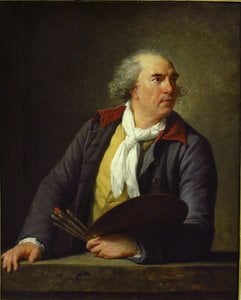
1733 - 1808 , 法国

Explore the breathtaking intersection of Roman grandeur and Impressionist light. Discover how masters like Monet reimagined classical ruins through vibrant, emotive brushstrokes. A cultural journey for true art lovers seeking to bring eternal glory into their homes.

Explore the rich history of landscape art with WahooArt. Discover renowned artists, movements like Impressionism & Romanticism, and expert guidance for collecting timeless pieces. Find your perfect serene escape today!

Explore the captivating world of Hubert Robert, master of Romantic landscape painting & 'capriccio' ruins. Discover his historical context, artistic innovations, and collecting insights with WahooArt.

探索康斯塔布尔的25幅传世杰作!沉浸于英国田园风光,感受浪漫主义绘画大师的光影与色彩。高清油画复制、艺术品购买尽在WahooArt.com,为您的家居增添经典之美。立即在线探索完整系列!

探索浪漫主义风景画的巅峰!本文精选十部经典名作,带您领略莫奈、库尔贝等大师的艺术魅力。感受色彩与光影的诗意,重温自然风光的震撼。WahooArt.com为您提供博物馆级别的艺术复制品和个性化家居装饰方案。尽在WahooArt.com!


 实景预览
实景预览
 发送
发送 分享
分享
 详情
详情 指南
指南

 下载图片
下载图片
 相似作品
相似作品 X射线
X射线 幻灯片播放
幻灯片播放 统计数据
统计数据


 阅读全文
阅读全文









 玻璃选项仅适用于110厘米以下的尺寸。


